The Rise of Sparkling Wine in South Africa
South Africa is in the midst of a sparkling wine renaissance, an effervescent awakening that has captured the palates of wine enthusiasts both...
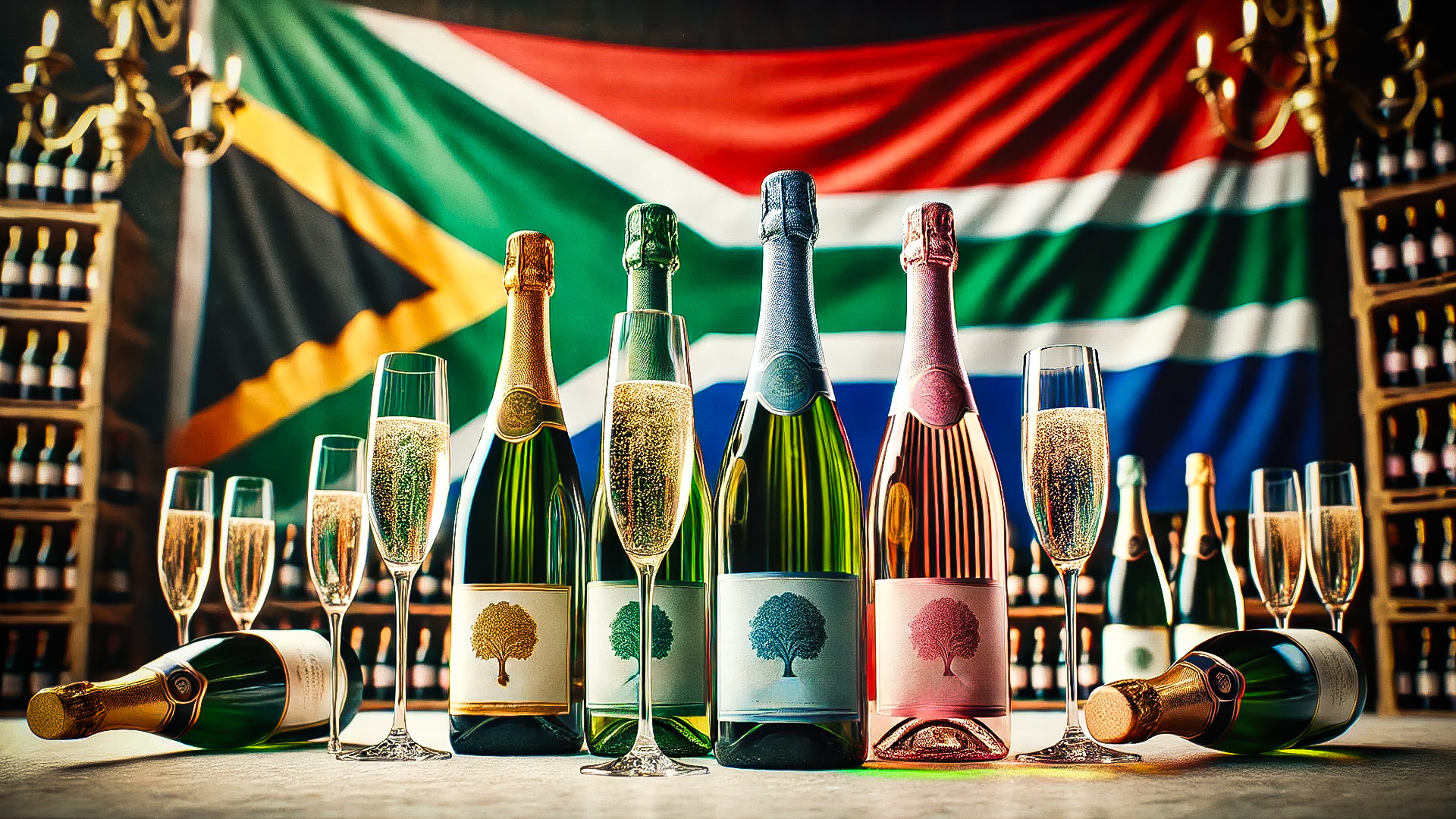
South Africa is in the midst of a sparkling wine renaissance, an effervescent awakening that has captured the palates of wine enthusiasts both locally and globally. Central to this revival is Méthode Cap Classique (MCC), a sparkling wine that has not only become synonymous with celebration but also with the nation’s winemaking prowess. This article delves into the fascinating ascent of sparkling wines in South Africa, particularly MCC, which has cemented its place as a symbol of elegance and festivity. From its historical roots to its current cultural significance, we explore how sparkling wine has evolved into a beloved South African staple.
A Brief History of Sparkling Wine in South Africa
From Colonial Times to Contemporary Winemaking: Tracing the Origins of South African Bubbles
The story of South African sparkling wine begins during the colonial era when European settlers brought viticulture to the Cape. However, it wasn't until the 20th century that sparkling wine truly began to take shape in South Africa. Initially, sparkling wines were a luxury, reserved for the affluent and for special occasions. The early years were marked by experimentation and adaptation, as winemakers sought to replicate the champagne methods they had learned from their European counterparts. These early efforts laid the groundwork for what would later become the country’s signature sparkling wine—Méthode Cap Classique.
The Evolution of Sparkling Wine Techniques: How MCC Became the Country's Signature
The transformation of South African sparkling wine into a distinctive product can be attributed to the refinement of production techniques. Inspired by the traditional methods of Champagne, MCC uses the same secondary fermentation process in the bottle, which produces the fine bubbles and complex flavors that are now celebrated. Over the decades, winemakers honed their craft, embracing the unique qualities of the South African terroir. The result is a sparkling wine that rivals the best in the world, yet remains distinctly South African. The dedication to quality and authenticity has propelled MCC to the forefront of the country’s wine industry.
Key Milestones in the Rise of MCC: Pioneers and Innovators
The rise of MCC is marked by the contributions of visionary winemakers who saw the potential of sparkling wine in South Africa. Pioneers like Frans Malan of Simonsig, who produced the first MCC in 1971, set the stage for a new era of South African winemaking. Others soon followed, each bringing their own innovations and refinements to the process. These trailblazers not only established MCC as a premium product but also helped to create a thriving industry that continues to grow. Today, MCC is a proud emblem of South African wine culture, celebrated both for its history and its future potential.

What is Méthode Cap Classique?
Understanding MCC: The Traditional Method Behind the Sparkle
Méthode Cap Classique, often referred to simply as MCC, is the South African take on traditional sparkling wine. The process mirrors that of Champagne, involving a second fermentation in the bottle, which creates the bubbles that define sparkling wine. This method is labor-intensive, requiring meticulous attention to detail, from the initial fermentation to the aging and disgorging stages. The result is a wine that is rich in flavor, with a fine mousse and a depth that reflects the care and craftsmanship involved in its production. MCC is more than just a beverage; it is a testament to the artistry of South African winemaking.
The Influence of French Champagne: How MCC Differs from Its French Counterpart
While MCC shares many similarities with French Champagne, it is far from a mere imitation. The influence of Champagne is evident in the production methods and the emphasis on quality, but MCC has developed its own identity. The primary difference lies in the terroir—the unique combination of climate, soil, and geography that gives South African wines their distinctive character. MCC often exhibits a fruit-forward profile, with a brightness and vibrancy that sets it apart from the more austere style of Champagne. This individuality has allowed MCC to carve out its own niche in the global sparkling wine market.
The Role of Terroir: How South Africa's Unique Climate Shapes MCC Wines
South Africa's terroir plays a crucial role in the character of MCC. The country's diverse climates, ranging from the cool coastal regions to the warmer inland areas, provide a variety of conditions that influence grape growth. These environmental factors, combined with the rich, mineral-laden soils, contribute to the distinct flavor profiles found in MCC. The cool breezes from the Atlantic and Indian Oceans help to preserve acidity in the grapes, a key component in creating balanced and refreshing sparkling wines. The result is a product that is uniquely South African, with a flavor that reflects the land from which it comes.
The Cultural Shift: Why South Africans are Choosing Sparkling Wines
From Celebration to Everyday Enjoyment: The Changing Perception of Bubbly
Once reserved exclusively for celebrations, sparkling wine has now become an everyday indulgence for many South Africans. This shift reflects broader changes in consumer attitudes toward wine, where sparkling varieties are no longer seen as just for special occasions. Instead, they are enjoyed as a versatile option that complements a wide range of experiences, from casual gatherings to sophisticated dinners. This democratization of bubbly has been driven in part by the accessibility of MCC, which offers premium quality at a variety of price points. Sparkling wine has thus become a staple in the South African wine landscape.
The Rise of Wine Tourism: How MCC is Driving Visits to Wine Estates
Wine tourism has surged in popularity in South Africa, with MCC playing a central role in attracting visitors to the country's wine estates. The allure of experiencing MCC at its source, combined with the breathtaking scenery of the Cape Winelands, has made wine tours a must-do activity for both locals and international tourists. Many estates offer bespoke MCC tastings, paired with gourmet food or set against the backdrop of vineyard vistas. This immersive experience not only boosts the visibility of MCC but also deepens the connection between consumers and the product, fostering a loyal and growing following.
Influence of the Global Sparkling Wine Trend: How South Africa Fits Into the Picture
The global rise in sparkling wine consumption has had a profound impact on the South African wine industry. As consumers worldwide become more adventurous in their wine choices, MCC has gained recognition as a premium product on the international stage. South Africa's entry into this global market has been bolstered by the quality and affordability of MCC, which competes with established sparkling wines from regions such as Champagne, Prosecco, and Cava. The increasing demand for diverse sparkling wines has positioned South Africa as a key player in the industry, with MCC leading the charge.

The Impact of Local Winemakers: Crafting World-Class MCC
The Art and Science Behind MCC: What Makes South African Sparkling Wines Stand Out
Crafting MCC is both an art and a science, requiring a deep understanding of winemaking techniques and a creative touch. The precision involved in the méthode traditionnelle, combined with the winemaker's vision, results in a product that is both consistent and innovative. What sets South African sparkling wines apart is the willingness of local winemakers to experiment and push boundaries, while still respecting the traditional methods. This balance of tradition and innovation has allowed MCC to flourish, offering wines that are not only of high quality but also reflective of South Africa’s unique winemaking culture.
Profiles of Leading MCC Producers: Innovators and Industry Leaders
Several winemakers have risen to prominence in the MCC industry, each contributing their own signature style to the market. Producers like Graham Beck, known for its consistent quality and elegance, have set the standard for MCC. Others, such as Pieter Ferreira of Graham Beck Wines, often referred to as "Mr. Bubbles," have become synonymous with the rise of MCC. Each of these industry leaders brings a unique perspective to the craft, from innovative production techniques to bold flavor profiles. Their contributions have not only elevated the status of MCC but have also inspired a new generation of winemakers.
Emerging Winemakers to Watch: The Future of South Africa's Sparkling Wine Scene
The future of MCC is bright, with a new wave of winemakers bringing fresh ideas and approaches to the industry. These emerging talents are pushing the boundaries of what MCC can be, experimenting with different grape varieties, aging techniques, and blending methods. Their enthusiasm and commitment to quality suggest that the best of MCC is yet to come. As these young winemakers continue to innovate, they are likely to shape the future of South Africa’s sparkling wine industry, ensuring that MCC remains at the forefront of the global sparkling wine market.
Sparkling Wine Pairings: Perfecting the South African Experience
Traditional South African Cuisine Meets MCC: A Match Made in Heaven
MCC's versatility shines when paired with traditional South African cuisine. The wine's crisp acidity and complex flavors complement the rich and diverse dishes of the region, from the smokiness of braai meats to the spiciness of bobotie. The effervescence of MCC cuts through the richness, enhancing the flavors and providing a refreshing contrast. Whether it’s paired with Cape Malay curries or fresh seafood from the coast, MCC elevates the dining experience, making it a perfect partner for South African culinary traditions.
Unconventional Pairings: MCC with Modern and Fusion Dishes
Beyond traditional pairings, MCC also shines with modern and fusion dishes, reflecting the evolving culinary landscape of South Africa. Its adaptability allows it to complement a wide range of flavors, from the umami of sushi to the delicate balance of Asian-inspired fusion dishes. The interplay between MCC’s bright acidity and the complex flavors of these dishes creates a harmonious dining experience that is both sophisticated and approachable. These unconventional pairings demonstrate MCC’s versatility, making it a go-to choice for adventurous food lovers.
Hosting the Perfect Sparkling Wine Tasting: Tips for an Unforgettable Experience
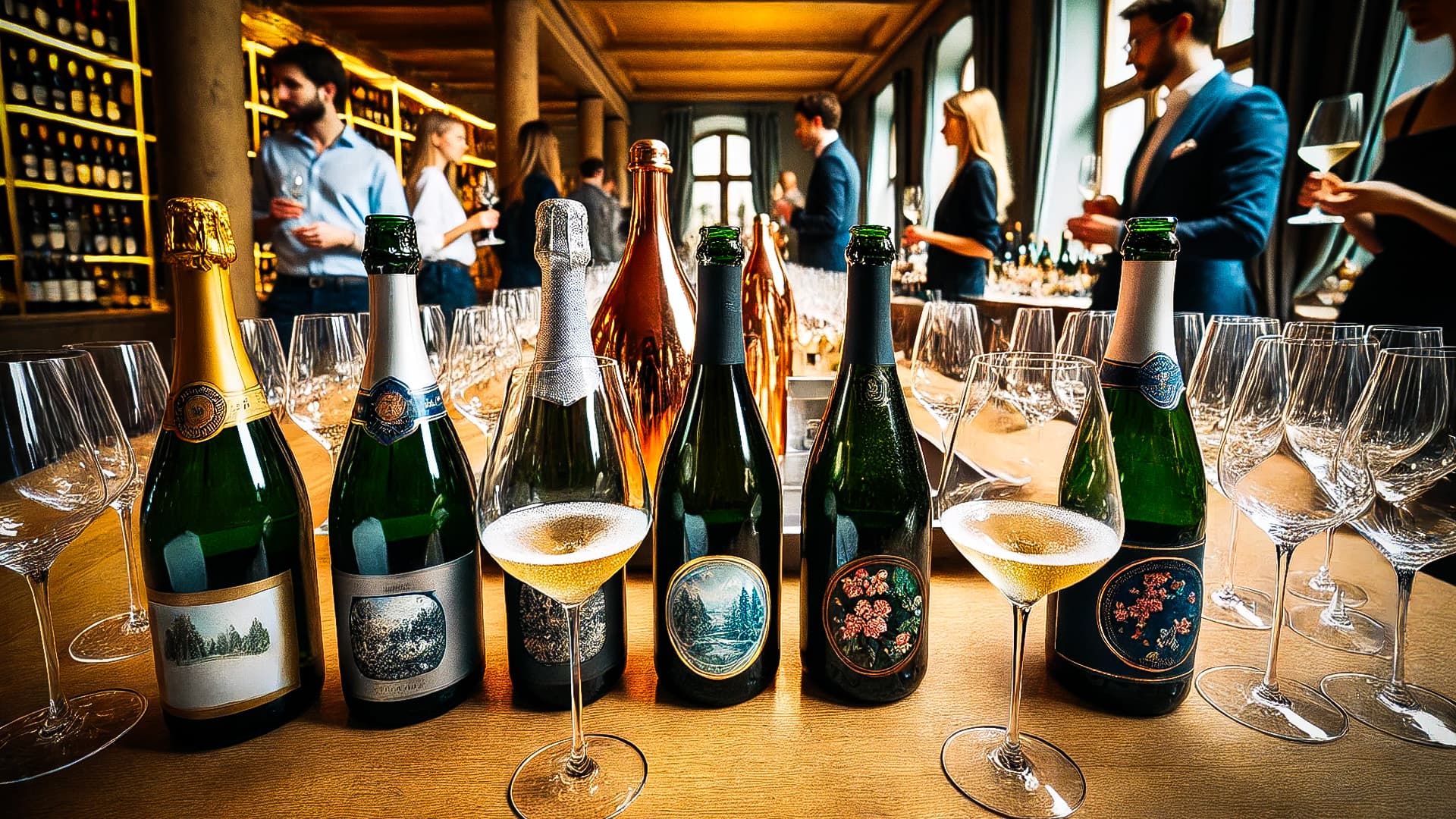
For those looking to explore the world of MCC, hosting a sparkling wine tasting is an excellent way to experience its diversity and depth. Start by selecting a range of MCCs from different producers and regions, showcasing the variety within the category. Pay attention to the glassware—flutes are traditional, but white wine glasses can also enhance the aromas. Pair each MCC with carefully chosen bites that highlight the wine’s characteristics, and encourage guests to share their impressions. A well-planned tasting not only educates but also creates a memorable experience, deepening the appreciation for this unique South African wine.

Challenges and Opportunities in the South African Sparkling Wine Industry
Navigating Market Competition: MCC vs. International Sparkling Wines
The growing popularity of MCC has brought it into direct competition with international sparkling wines, particularly Champagne, Prosecco, and Cava. While MCC offers a high-quality alternative at a competitive price, the challenge lies in differentiating it in a crowded market. South African producers must not only maintain rigorous quality standards but also continue to innovate and market MCC as a distinct product. The unique qualities of MCC, such as its vibrant fruitiness and terroir-driven character, are key selling points that can help it stand out on the global stage.
Sustainability and Organic Practices: The Push for Greener Sparkling Wines
As consumer demand for sustainable and organic products grows, the South African sparkling wine industry is responding by adopting greener practices. From vineyard management to production methods, there is a concerted effort to reduce environmental impact and produce wines that are not only delicious but also ethically made. This shift towards sustainability presents both a challenge and an opportunity for MCC producers. By embracing organic practices and certifications, they can appeal to a more conscientious consumer base and position MCC as a leader in sustainable winemaking.
Export Potential: Taking South Africa's MCC to the World Stage
MCC’s increasing popularity within South Africa has naturally led to a push for greater international recognition. The potential for export is vast, as MCC offers a unique product that can compete with established sparkling wines on both quality and price. However, expanding into global markets requires strategic marketing, a strong brand identity, and an understanding of international consumer preferences. South African winemakers are rising to this challenge, leveraging MCC’s distinctive qualities to capture the attention of wine lovers around the world. The success of MCC in international markets will not only elevate the brand but also bolster South Africa’s reputation as a world-class wine-producing nation.
The Future of Sparkling Wine in South Africa
The future of sparkling wine in South Africa is bright, with Méthode Cap Classique at the forefront of this exciting journey. As more consumers discover the charm and quality of MCC, its popularity is set to continue growing, both at home and abroad. The innovation and dedication of South African winemakers ensure that MCC will remain a dynamic and evolving product, one that reflects the rich heritage and forward-thinking spirit of the country’s wine industry. With its unique blend of tradition and modernity, MCC is poised to become a global icon in the world of sparkling wine.
Discover MCC for Yourself
For those who have yet to experience the allure of Méthode Cap Classique, there has never been a better time to explore this remarkable sparkling wine. Visit your local wine shop, plan a tour of the Cape Winelands, or host a tasting at home to discover the diversity and excellence of MCC. Whether you’re a seasoned wine connoisseur or a curious newcomer, MCC offers a delightful journey through the flavors and traditions of South African winemaking. Raise a glass and join the sparkling wine revolution that is taking the world by storm.
The Future Of Sparkling Wine In South Africa
Author: Elisha Roodt
Sharing trusted stories, tasting notes, and expert insights from South Africa's wine regions and producers.
More From South Africa

Climate Change Risks & Adaptations in South African Viticulture
A Landscape of Shifting Seasons and Resilient Vineyards In the heart of South Africa’s Cape Winelands, vineyards that have thrived for centuries...

Rooibos Wine: South Africa's Unique Twist on Traditional Winemaking
A New Chapter in the Story of Wine Every culture leaves its fingerprint on the timeless tradition of winemaking. In France, oak barrels whisper of...
Cellar Investments: Collectible South African Wines to Watch
Cultivating a Portfolio of South Africa's Liquid Treasures Picture yourself descending into a subterranean vault where bottles rest like...
South Africa’s Signature Wines Unveiled
Exploring the Terroir of Chenin Blanc, Pinotage, Shiraz, and Cabernet Sauvignon South Africa’s vineyards are as diverse as the landscapes that...

The Rich History of South African Wine: From 1659 to Today
A Journey Through Time and Terroir In the sun-dappled valleys of South Africa, the story of wine unfolds like an epic saga—rich in tradition...
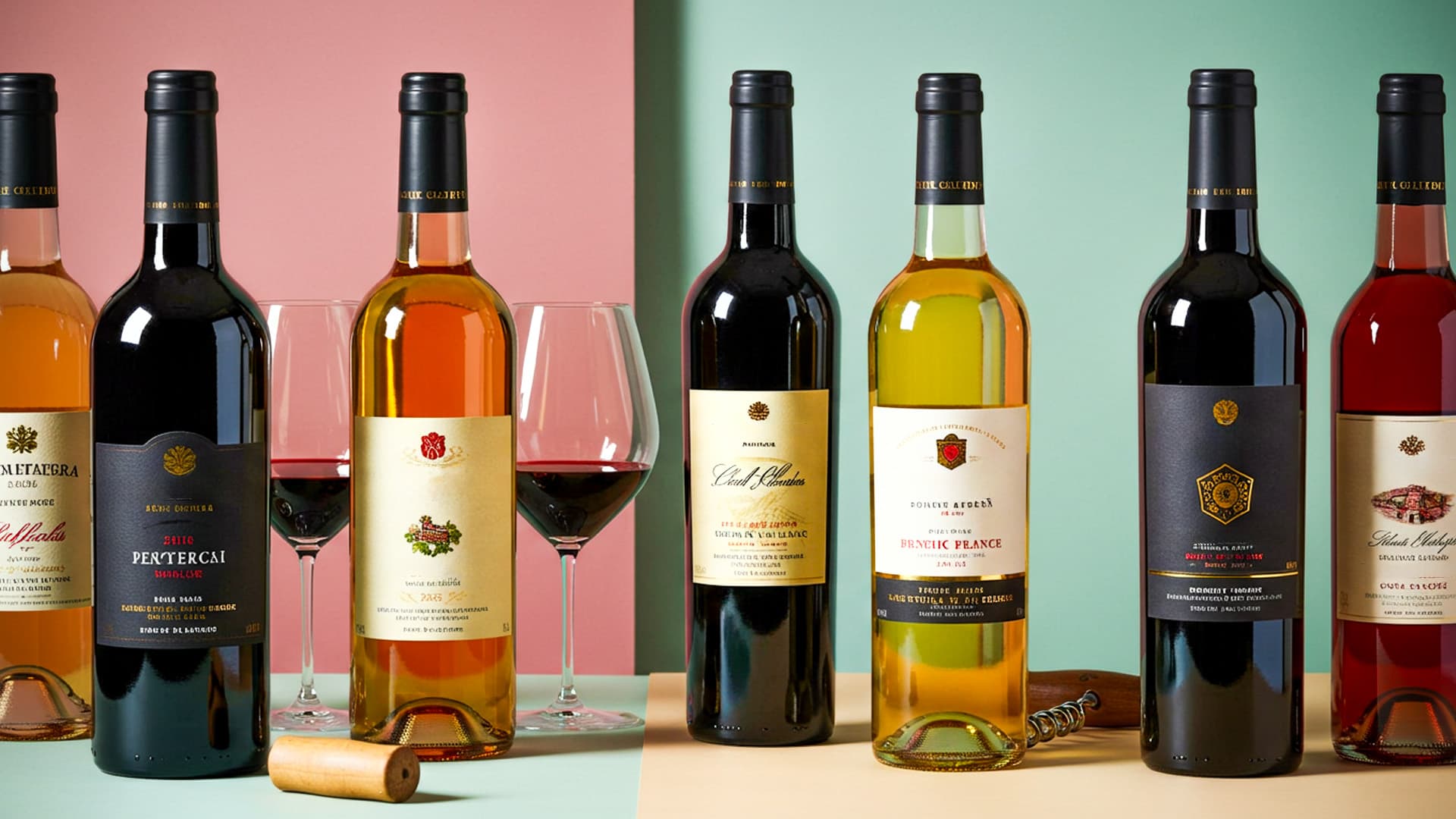
Best South African Wines for Gifting in 2025
Discover the Finest South African Wines That Make Memorable Gifts for Wine Lovers South Africa's winemaking prowess has steadily gained...