

Climate Change Risks & Adaptations in South African Viticulture
Author
Elisha Roodt
Date Published

A Landscape of Shifting Seasons and Resilient Vineyards
In the heart of South Africa’s Cape Winelands, vineyards that have thrived for centuries now face a tempest of uncertainty. Droughts arrive like uninvited guests overstaying their welcome, sudden hailstorms bruise tender fruit, and erratic temperatures confuse the rhythms of vines long accustomed to predictable seasons. Yet, amidst these disruptions, producers are not simply surrendering to the elements. They are rewriting viticulture’s playbook—experimenting with heat-tolerant grape varietals, mastering water conservation strategies, and embracing sustainable practices that tether tradition to innovation. This story unfolds as both cautionary tale and narrative of resilience, where adaptation becomes as critical as terroir, and survival requires as much imagination as expertise.
The Rising Heat and Water Scarcity Challenge
Droughts as Silent Sculptors
Drought has become South Africa’s quiet antagonist, reshaping vineyards with invisible chisels. During the 2015–2018 Cape Town drought, vines were forced into survival mode, producing smaller yields but often more concentrated fruit. Growers likened the vines to marathon runners deprived of water, drawing on deep reserves while pruning away excess foliage. The parallel is stark: just as endurance athletes burn muscle when sustenance is scarce, vines metabolize internal resources to stay alive. This “survival physiology” leaves a signature on the harvest, simultaneously reducing quantity and amplifying the character of the remaining grapes.
Yet drought is more than a seasonal inconvenience—it is an existential hazard. Water allocations for agriculture are increasingly contested, forcing wine estates to compete with urban needs. Imagine a chess game where every drop of water is a pawn; each move demands foresight, and sacrificing irrigation today could cost next year’s vintage. Producers are now adopting deficit irrigation techniques, where vines are deliberately stressed to conserve water without jeopardizing fruit integrity. This delicate balancing act illustrates how climate adversity has redefined viticulture strategy into something resembling resource triage.
The Double-Edged Sword of Heat
Heat waves roll through vineyards like tidal surges, simultaneously hastening ripening and threatening quality. Grapes mature too quickly, sugars spike, and acidity plummets, creating wines that risk imbalance. For a winemaker, it feels like trying to compose a symphony where the violins drown out the rest of the orchestra—one note too dominant, the harmony lost. Heat does not simply shorten the growing season; it compresses decision-making windows, demanding vigilance and near-constant recalibration of harvest timing.
Some estates have turned to canopy management as a shield against the blazing sun. By adjusting leaf cover, growers create natural umbrellas to protect grape clusters from scorching. Others experiment with reflective mulches and shade cloth, turning vineyards into a mosaic of improvised shelters. These measures, once considered ancillary, have now become central to survival. The vineyard is no longer just a canvas for terroir; it has become a battlefield where heat is both adversary and uninvited collaborator, reshaping not only how grapes grow but also how wines express themselves.
Water as the New Currency
In South Africa’s viticulture, water is no longer a background resource—it is currency. Estates invest in reservoirs, drip irrigation, and soil moisture sensors with the same urgency as banks fortifying vaults. This transformation reflects a simple truth: vineyards without water are like orchestras without instruments—no matter how skilled the conductor, no performance can occur. As aquifers shrink and rainfall patterns falter, vineyards have become laboratories of hydrological ingenuity.
Technological solutions, such as precision irrigation systems, allow growers to tailor water delivery to the specific needs of individual blocks or even vines. These micro-adjustments mirror the meticulousness of a jeweler cutting diamonds, where every fraction matters. In parallel, some producers are diversifying water sources by investing in recycled wastewater or desalination initiatives. Each decision underscores a sobering reality: the vineyard’s future is now tethered less to soil alone and more to the complex choreography of water stewardship.
Shifting Varietals and Vineyard Innovation
Experimenting with Heat-Tolerant Grapes
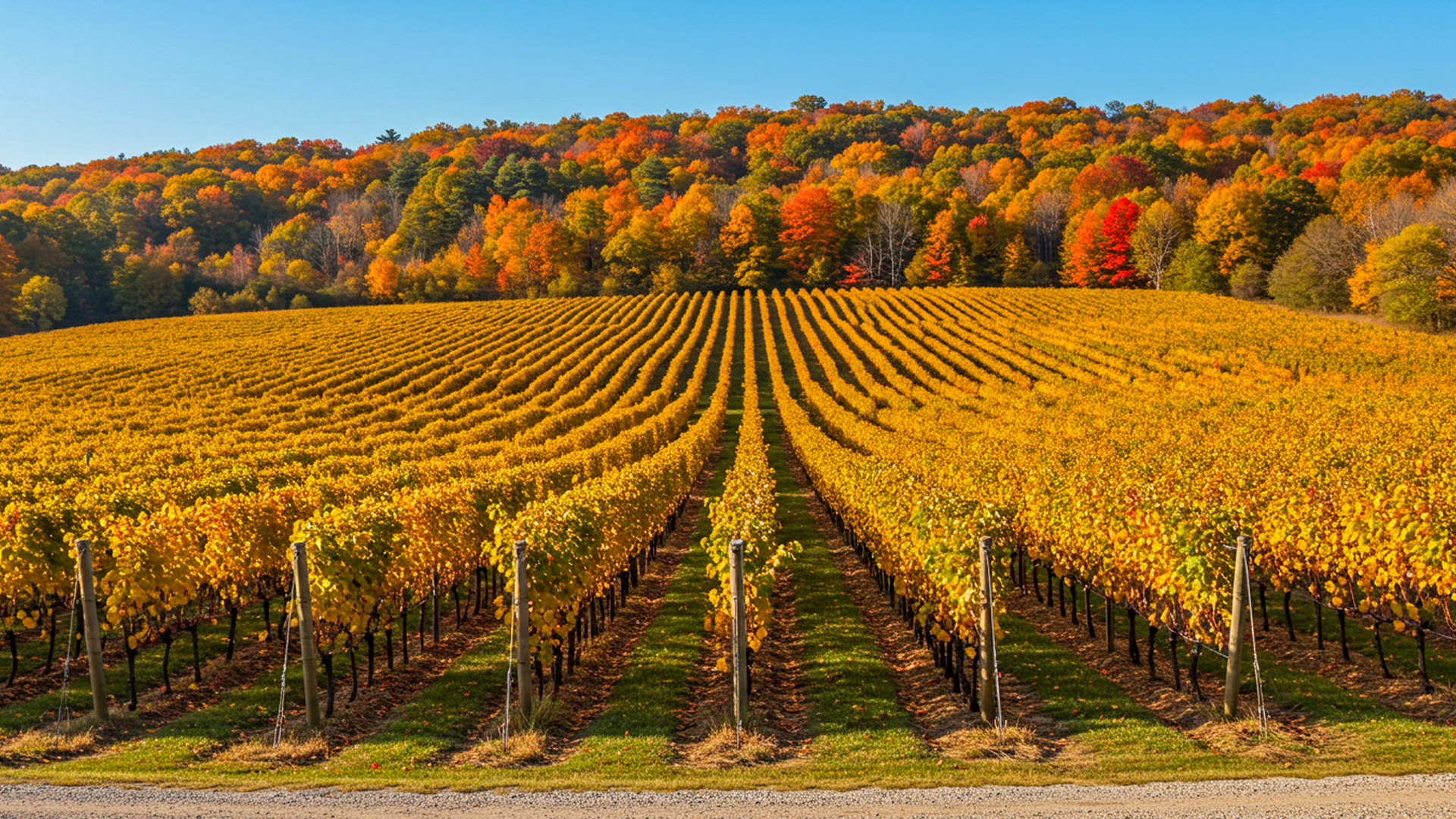
Historically, South African vineyards leaned heavily on Cabernet Sauvignon, Pinotage, and Chenin Blanc. Yet as climates shift, so too must the palette of varietals. Producers are trialing Mediterranean grapes such as Grenache, Mourvèdre, and Vermentino, cultivars renowned for their resilience to heat and aridity. These introductions are not just pragmatic but visionary—akin to diversifying a stock portfolio in volatile markets. By planting varietals suited to warmer climes, estates hedge against climatic unpredictability while enriching the country’s viticultural diversity.
The transition is not without resistance. Traditionalists worry that moving away from signature grapes could dilute South Africa’s global brand. Yet storytelling may soften this tension: presenting these varietals as a natural evolution of terroir rather than a departure from heritage. When a winemaker frames Grenache as the Cape’s “new voice” rather than a foreign intrusion, adaptation transforms into narrative renewal. The vineyard becomes both laboratory and stage, its varietals actors in an unfolding climatic drama.
Rethinking Vineyard Layouts
Vineyard design has become a frontier of adaptation. Slopes once prized for sun exposure are reconsidered in light of heat stress, with north-facing rows replanted to limit direct radiation. Altitude is suddenly a valuable asset, as cooler highlands offer a reprieve from rising temperatures. The old maxim “location is everything” has taken on a sharper edge, as growers orchestrate layouts with the precision of urban planners designing climate-resilient cities.
Beyond orientation and altitude, row spacing and trellising systems are being reimagined. Wider spacing reduces competition for scarce water, while vertical shoot positioning allows for more nuanced canopy management. These changes may seem like subtle tweaks, yet collectively they represent a paradigm shift—like rearranging the architecture of a house to withstand earthquakes. The vineyard of tomorrow will be less static landscape and more dynamic blueprint, its design contingent on climate foresight.
The Role of Rootstock and Clonal Selection
Hidden beneath the soil, rootstock quietly dictates a vine’s resilience. In a changing climate, selecting the right rootstock has become an art form. Drought-tolerant options, such as Ramsey or Ruggeri, are increasingly favored for their ability to access deep aquifers and buffer against stress. In many ways, rootstock acts like the foundation of a skyscraper—rarely visible, yet essential to withstanding external pressures.
Alongside rootstock, clonal diversity within varietals is gaining prominence. Clones offer subtle differences in vigor, ripening, and flavor, allowing producers to fine-tune resilience without abandoning beloved grapes. Think of clones as siblings in a family: each shares the same heritage but exhibits unique strengths. By strategically planting a mosaic of clones, vineyards build genetic resilience that mirrors the biodiversity strategies of natural ecosystems, providing insurance against the volatility of future seasons.
Sustainable Practices for a Precarious Future
Regenerative Agriculture in the Vineyards
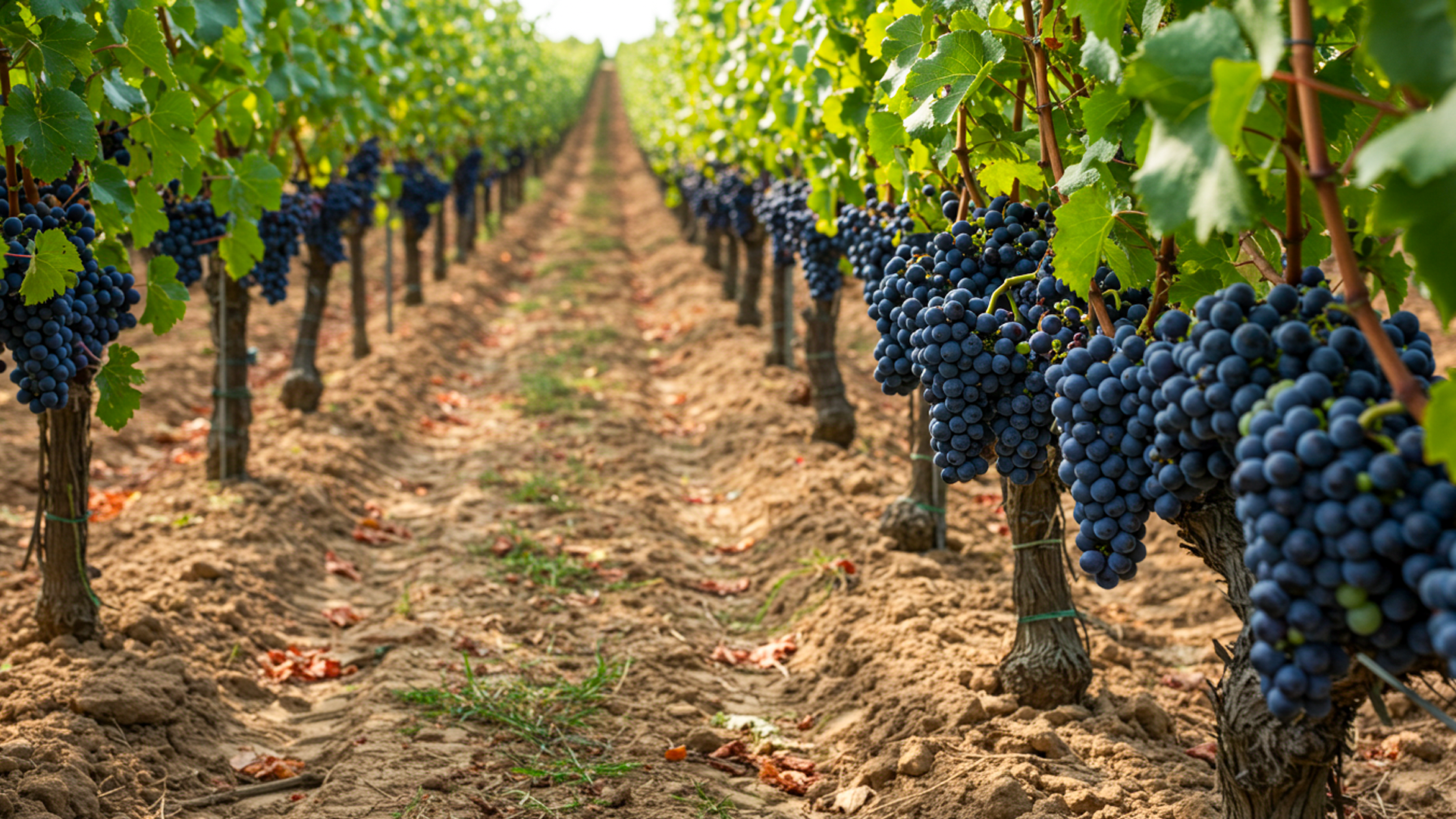
Sustainability is no longer a marketing flourish—it is survival strategy. Regenerative agriculture, with its focus on soil health, biodiversity, and carbon sequestration, is gaining traction among South African estates. Practices such as cover cropping, composting, and reduced tillage foster resilient soils that act as sponges during drought and shields during floods. These measures echo nature’s own methods of balance, where diversity and organic matter buffer ecosystems against extremes.
Consider a vineyard floor carpeted with legumes and wildflowers rather than bare soil. These plants not only suppress weeds but also enrich the soil with nitrogen, inviting beneficial insects into the ecosystem. The vineyard, once viewed as a monoculture, transforms into a living community. It is a subtle but profound shift: the grower ceases to act as master and instead becomes steward, curating a symphony where soil, water, plants, and insects all contribute to resilience.
Carbon and Energy Footprint Reduction
With climate change as both cause and consequence of viticultural challenges, reducing carbon emissions has become imperative. Many South African estates are investing in renewable energy, with solar panels glinting across cellar rooftops and wind turbines punctuating rural skylines. These investments are more than symbolic; they stabilize operational costs while aligning viticulture with global decarbonization efforts. The winery, once reliant on fossil fuels, evolves into a self-sustaining microgrid.
Packaging and logistics, too, are under scrutiny. Lightweight bottles reduce transport emissions, while local distribution networks minimize carbon miles. One producer described the effort as “removing invisible baggage” from every bottle shipped abroad. The metaphor resonates: wine, a product of earth and climate, now carries not only flavor but also a footprint. By reducing that imprint, producers affirm that adaptation must address both vineyard and marketplace, ensuring that climate responsibility permeates every stage of production.
Community and Knowledge Sharing
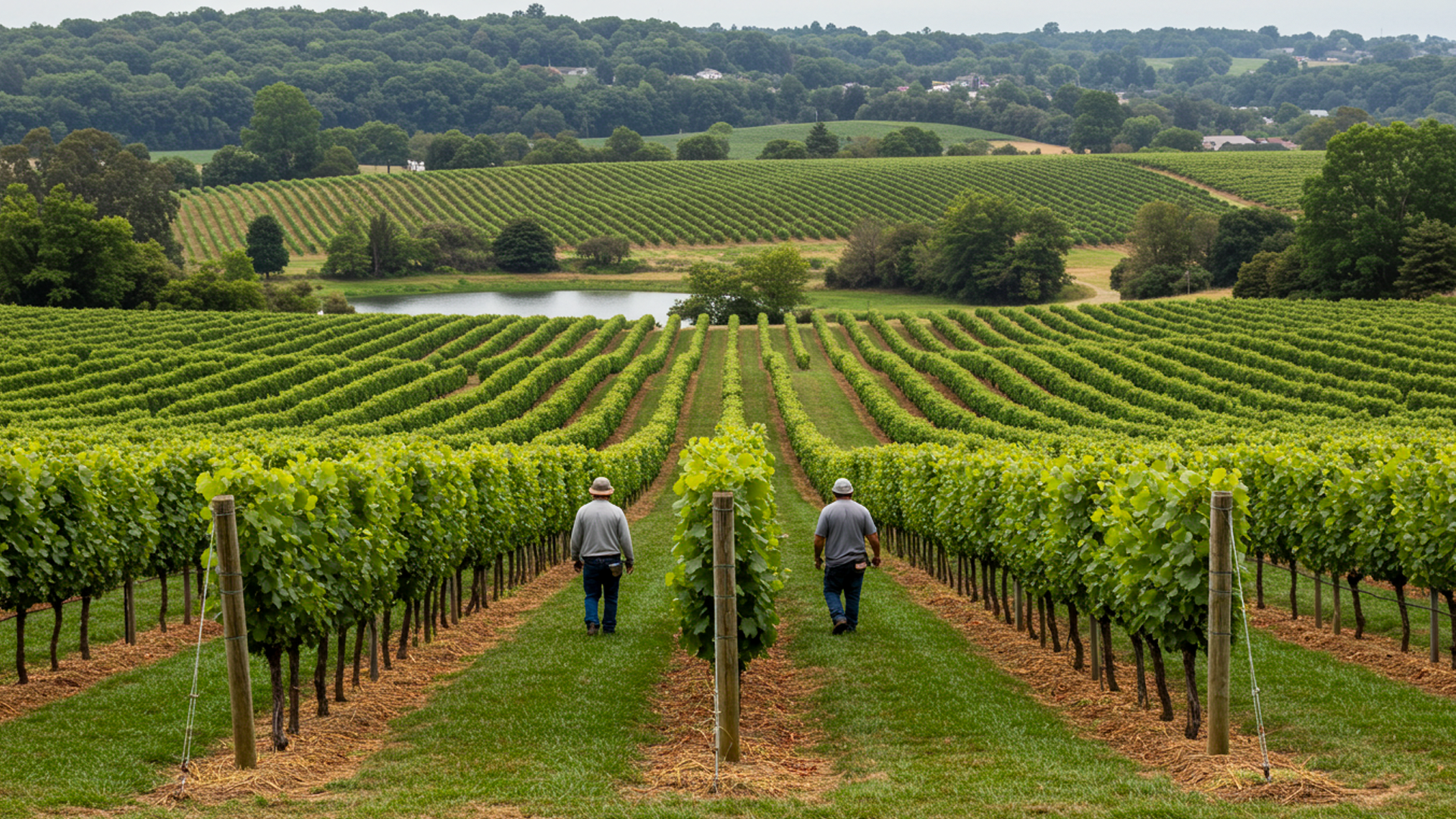
Adaptation is not a solitary endeavor. Across the Cape Winelands, producers are banding together to exchange knowledge, pool resources, and advocate for policy reforms. Collaborative initiatives, such as the Integrated Production of Wine (IPW) scheme, provide frameworks for sustainability and benchmarks for accountability. These collective efforts echo the philosophy of ubuntu—“I am because we are”—recognizing that resilience grows strongest when nurtured communally.
Workshops and field days now resemble think tanks, where viticulturists and scientists dissect new research and test innovative practices. The spirit is less competitive and more collegial, as if every estate were part of a larger vineyard whose health depends on shared stewardship. This communal ethos provides not just technical solutions but psychological resilience, reminding growers that they are not alone in facing the shifting winds of climate uncertainty.
The Future Vineyard: Resilience as Identity
From Adaptation to Innovation
In the coming decades, resilience will cease to be merely a defensive posture; it will define viticulture’s identity. The vineyards of the future will not only withstand droughts and heatwaves but actively harness these challenges to craft distinctive wines. Producers may one day market “climate-resilient vintages,” transforming adversity into allure. Just as Champagne once rose from the limitations of a cold climate, so too might South African wines emerge as ambassadors of adaptive brilliance.
Innovation will extend beyond the vineyard into consumer perception. Narratives of sustainability, experimentation, and resilience resonate with increasingly climate-conscious buyers. Every bottle becomes both artifact and message, carrying within it not just the taste of terroir but the story of survival and reinvention. In this sense, climate change is not only reshaping viticulture—it is rewriting its mythology.
The Role of Science and Technology
Scientific research is now a cornerstone of vineyard resilience. Remote sensing, drone surveillance, and artificial intelligence provide granular insights into vine health, water stress, and pest dynamics. These technologies act like medical diagnostics for vineyards, offering early detection of ailments before they escalate into crises. Precision viticulture, once a futuristic concept, is now a daily practice in estates that treat data as carefully as barrels of aging wine.
Collaboration with universities and research institutes ensures that cutting-edge findings translate into practical applications. For example, predictive climate models help growers plan planting schedules years in advance, while genomic studies identify new grape varieties optimized for future conditions. The vineyard, long governed by tradition, now operates as a living laboratory where science and art converge in pursuit of survival and excellence.
A Hypothetical Day in 2040
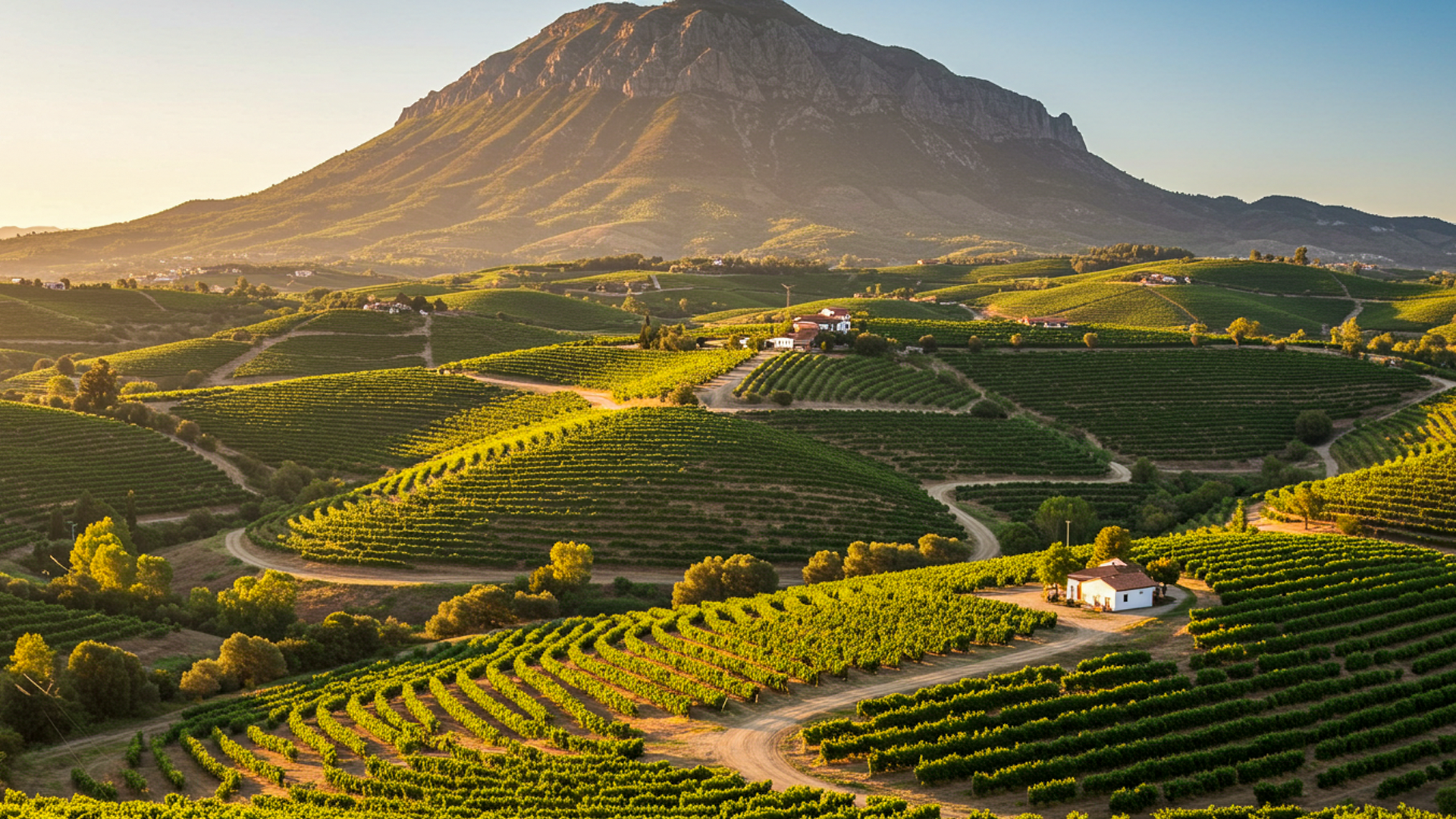
Picture a vineyard in 2040. A grower checks real-time soil moisture data on a holographic dashboard, adjusts irrigation with a flick of the hand, and receives drone footage of canopy health. Rows of Grenache and Chenin Blanc clones sway under biodegradable shade nets, their roots drawing from reclaimed wastewater. The cellar hums with solar power, its barrels monitored by AI that predicts optimal blending ratios. This is not science fiction—it is the logical trajectory of adaptation accelerated into reality.
At the end of the day, the grower pours a glass of wine for visiting guests. The vintage carries not only notes of blackberry, spice, and minerality but also the unmistakable essence of resilience. Each sip is a reminder that in the face of climate upheaval, viticulture has not only endured but evolved, weaving adversity into its very identity. In this imagined moment lies a truth: the vineyard of tomorrow is already being planted today, one adaptive choice at a time.
The Future Vineyard