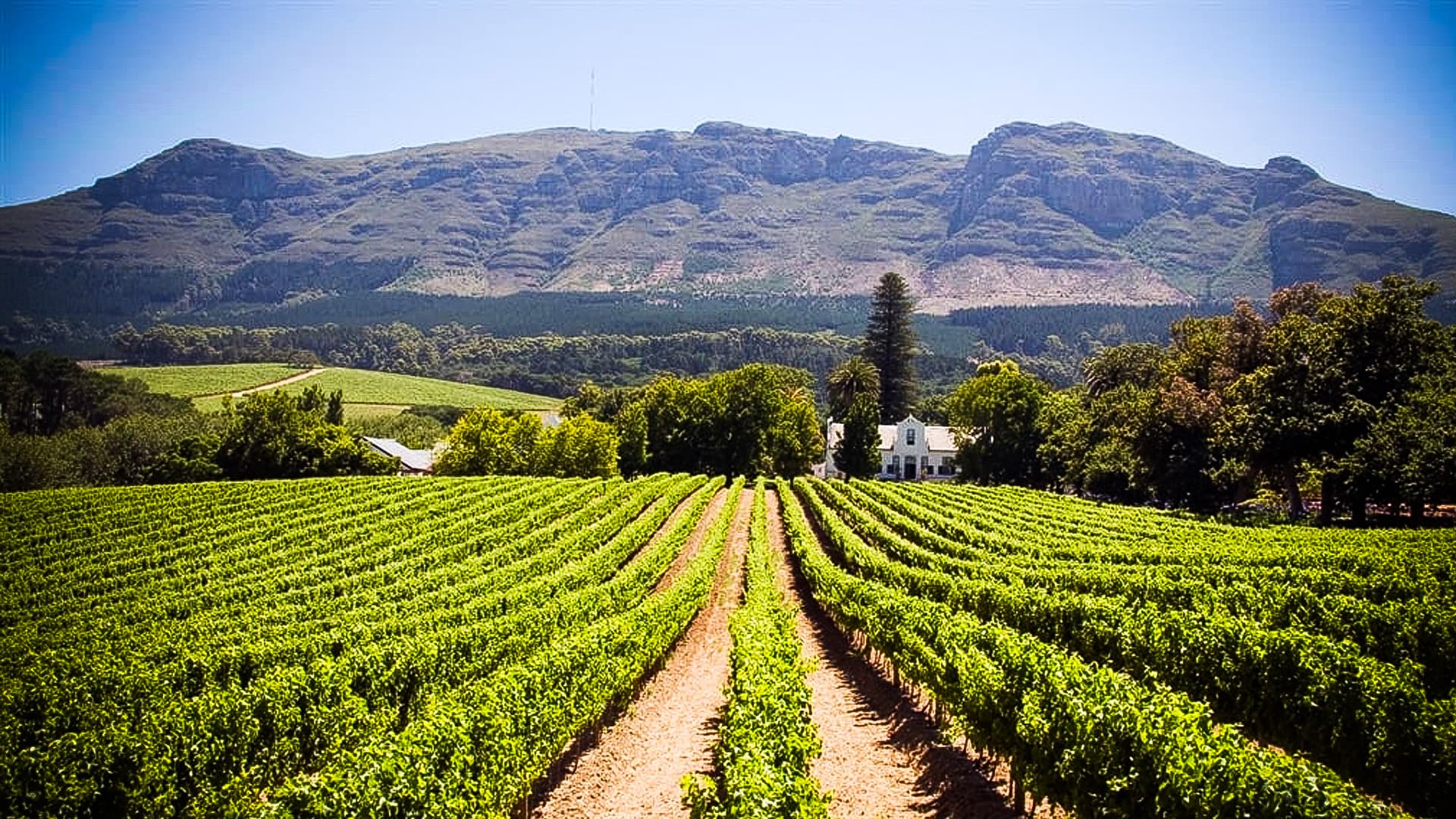
The Rise of Boutique Wineries in South Africa
The Emergence of Boutique Wineries South Africa's wine industry, long characterized by its large, established estates, is undergoing a...
The Emergence of Boutique Wineries
South Africa's wine industry, long characterized by its large, established estates, is undergoing a transformation. The rise of boutique wineries is at the heart of this shift, heralding a new era of quality and innovation. These small-scale, artisanal producers are making waves with their unique offerings and handcrafted wines, challenging the dominance of traditional giants. As consumers’ tastes evolve, these boutique wineries are redefining the country's vinous landscape, embracing a more personalized and intimate approach to winemaking.
A New Era of Winemaking
In recent years, the South African wine industry has witnessed a burgeoning interest in boutique wineries. This movement is not merely a trend but a fundamental shift towards valuing craftsmanship and individuality in wine production. Boutique wineries, often family-owned and operated, are dedicated to producing limited quantities of wine with a focus on exceptional quality. Their emergence signifies a departure from the conventional, mass-production methods of larger estates, offering a refreshing alternative to wine enthusiasts.
Why South Africa's Wine Scene is Shifting
The Quest for Authenticity
One of the driving forces behind the rise of boutique wineries is the growing consumer demand for authenticity. In an era where mass-produced goods are ubiquitous, wine enthusiasts are increasingly drawn to products that offer a genuine connection to their origins. Boutique wineries, with their emphasis on artisanal techniques and local terroir, provide this authenticity. Their wines often carry a sense of place and personality that is missing in more industrially produced counterparts.
Embracing Sustainability
Sustainability is another significant factor influencing the shift towards boutique wineries. Many of these small producers are at the forefront of adopting eco-friendly practices, such as organic farming and water conservation. This commitment to sustainability resonates with consumers who are more environmentally conscious and seek products that align with their values. By prioritizing sustainable practices, boutique wineries are not only enhancing their appeal but also contributing to the broader movement towards responsible consumption.
Understanding Boutique Wineries
Defining Boutique Wineries
Boutique wineries are typically characterized by their small-scale operations, with annual production often limited to a few thousand bottles. This limited production allows winemakers to maintain a high level of control over every aspect of the winemaking process. From vineyard management to fermentation and aging, every detail is carefully attended to, ensuring that each bottle meets the highest standards of quality.
The Difference Between Boutique and Traditional Wineries
The contrast between boutique and traditional wineries is marked by their scale and approach. Traditional wineries, with their focus on large volumes and efficiency, often employ industrial techniques to streamline production. In contrast, boutique wineries prioritize artisanal methods and hands-on management. This intimate approach allows them to experiment with new techniques and produce wines that are unique and reflective of their individual style.
Key Characteristics of Boutique Wine Production
Boutique wine production is defined by several key characteristics:

The Appeal of South African Boutique Wineries
Unique Terroirs: The Influence of South Africa's Diverse Landscapes
South Africa's diverse landscapes play a crucial role in the appeal of its boutique wineries. The country’s varied terroirs, from the cool-climate regions of the Western Cape to the warm, sun-soaked valleys of the Swartland, offer a wide range of flavors and characteristics. Boutique wineries are adept at harnessing these unique environmental influences to produce wines that celebrate the distinctiveness of their regions.
Artisan Techniques: Craftsmanship and Innovation in Winemaking
At the heart of boutique winemaking is a commitment to craftsmanship and innovation. Many boutique wineries combine traditional techniques, such as hand-picking grapes and aging in oak barrels, with modern methods to enhance flavor and quality. This blend of old and new creates wines that are both timeless and contemporary, offering a rich tapestry of flavors and experiences.
Limited Production: The Allure of Exclusivity and Scarcity
The limited production of boutique wines adds to their allure. With fewer bottles available, these wines become coveted treasures among collectors and enthusiasts. The sense of exclusivity and scarcity surrounding boutique wines enhances their desirability, making them highly sought after and often commanding higher prices in the market.
Notable Boutique Wineries to Explore
Spotlight on Renowned Boutique Wineries in South Africa
South Africa is home to several acclaimed boutique wineries that have made a significant impact on the industry. For example:
Emerging Stars: Up-and-Coming Boutique Wineries to Watch
The South African wine scene is also home to a new generation of boutique wineries that are gaining recognition for their innovative approaches. Some notable emerging stars include:
Regional Highlights: Boutique Wineries by South African Wine Regions
Each of South Africa’s wine regions boasts its own boutique gems. For example:

The Impact of Boutique Wineries on the Local Economy
Supporting Local Agriculture and Craftsmanship
Boutique wineries play a vital role in supporting local agriculture and craftsmanship. By sourcing grapes from nearby vineyards and employing local artisans, these wineries contribute to the economic vitality of their communities. This support extends beyond the immediate area, fostering a network of local businesses that benefit from the success of boutique wineries.
The Role of Boutique Wineries in Tourism Development
Boutique wineries are increasingly becoming tourist destinations in their own right. Their unique offerings and personalized experiences attract visitors from around the world, contributing to the growth of wine tourism. This influx of tourists not only boosts local economies but also enhances the profile of South Africa’s wine industry on the global stage.
Economic Benefits: Job Creation and Regional Growth
The rise of boutique wineries has significant economic benefits, including job creation and regional growth. These small-scale operations often require skilled workers, from vineyard managers to cellar hands, contributing to employment opportunities in rural areas. Additionally, the success of boutique wineries can drive broader regional development, attracting investment and improving infrastructure.
Challenges and Opportunities for Boutique Wineries
Navigating the Challenges of Small-Scale Production
Boutique wineries face several challenges inherent in small-scale production. Limited resources and scale can pose difficulties in achieving economies of scale and reaching broader markets. Additionally, the high level of hands-on management required can be demanding, requiring winemakers to balance quality with operational efficiency.
Opportunities for Innovation and Market Expansion
Despite these challenges, boutique wineries have significant opportunities for innovation and market expansion. Advances in technology and shifts in consumer preferences offer new avenues for growth. Embracing digital marketing, exploring niche markets, and adopting sustainable practices can help boutique wineries differentiate themselves and expand their reach.
Strategies for Success in a Competitive Market
To thrive in a competitive market, boutique wineries must adopt strategic approaches. Building a strong brand identity, leveraging direct-to-consumer sales channels, and engaging with wine enthusiasts through events and tastings can enhance visibility and foster loyalty. Additionally, focusing on exceptional quality and unique offerings can set boutique wineries apart from larger, more conventional producers.
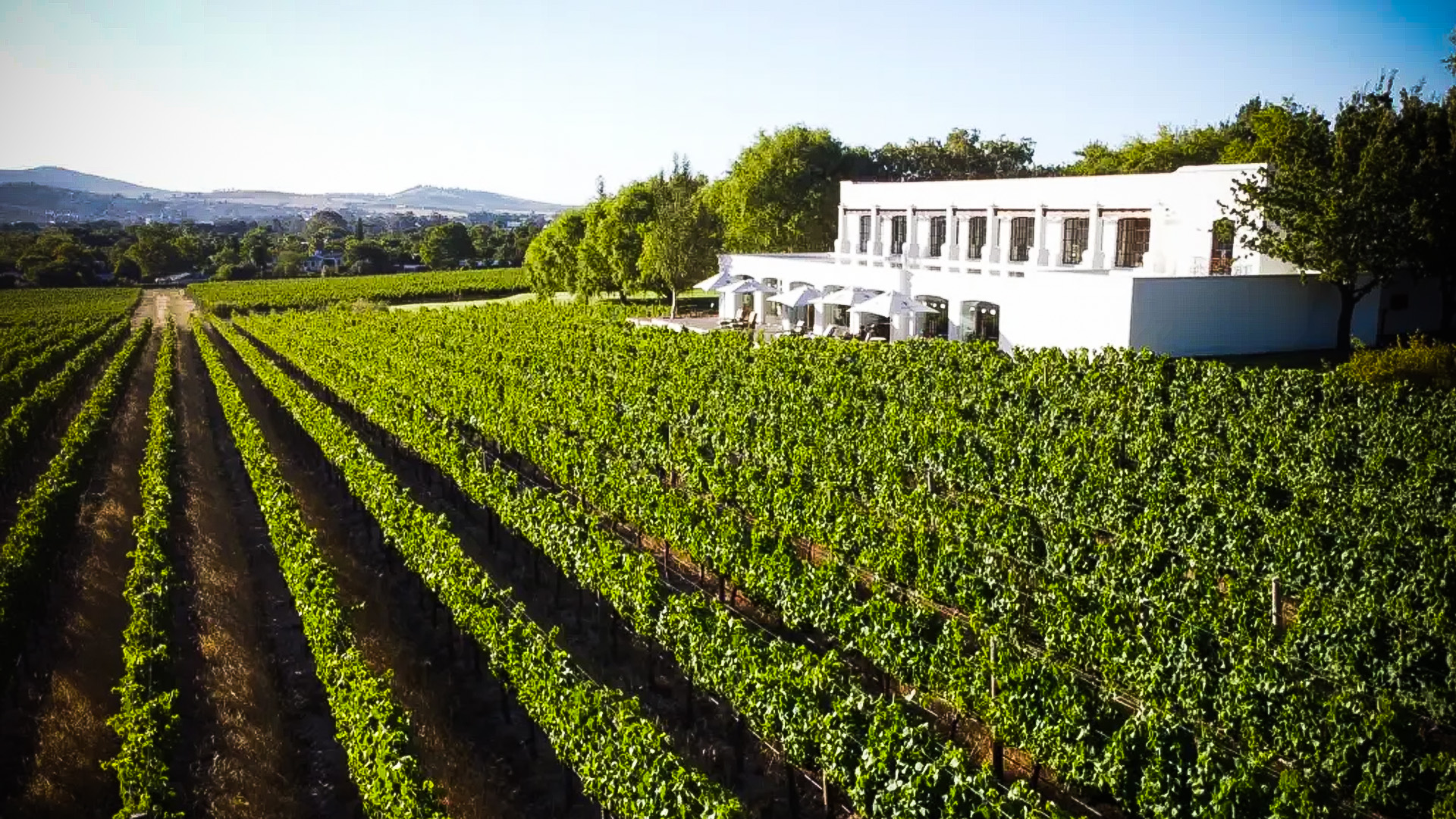
Tasting Experiences: What to Expect from Boutique Wineries
Exclusive Tastings: How Boutique Wineries Curate Unique Experiences
Boutique wineries often offer exclusive tasting experiences that highlight their distinctive wines and production methods. These tastings are designed to immerse visitors in the world of boutique winemaking, providing insights into the techniques and philosophies behind each bottle. From intimate, guided tours to interactive sessions with the winemakers, these experiences offer a deeper connection to the wine and its origins.
The Role of Personalization in Wine Tastings
Personalization is a hallmark of boutique winery tastings. Winemakers often tailor experiences to the preferences and interests of their guests, ensuring a memorable and engaging visit. This personal touch extends to the selection of wines, the presentation of tasting notes, and the opportunity to discuss the winemaking process with experts.
Pairing Boutique Wines with Local Cuisine
Pairing boutique wines with local cuisine enhances the tasting experience by showcasing the complementary flavors of both. Many boutique wineries offer curated food pairings that highlight the regional produce and culinary traditions. This combination of fine wine and gourmet food creates a holistic experience that celebrates the best of local flavors and craftsmanship.
Future Trends in South African Boutique Wineries
Evolving Consumer Preferences and Their Impact on Boutique Wineries
Consumer preferences are shifting towards more diverse and personalized wine experiences. Boutique wineries are well-positioned to meet these evolving demands, offering unique products and tailored experiences that resonate with today’s wine enthusiasts. Staying attuned to trends and preferences will be crucial for boutique wineries to remain relevant and competitive.
Innovations in Winemaking: What to Watch For
Innovations in winemaking, such as advances in technology and sustainable practices, will continue to shape the future of boutique wineries. Emerging techniques, such as precision viticulture and natural fermentation, offer opportunities for experimentation and enhancement. Additionally, the integration of digital tools and platforms can facilitate market expansion and consumer engagement.
The Role of Technology and Social Media in Promoting Boutique Wineries
Technology and social media play a pivotal role in promoting boutique wineries. Digital platforms provide opportunities for wineries to connect with consumers, share their stories, and showcase their products. Engaging with audiences through social media, online tastings, and virtual events can enhance visibility and drive interest in boutique offerings.
The Bright Future of Boutique Wineries in South Africa
The rise of boutique wineries in South Africa represents a significant shift in the country’s wine industry. These small-scale, artisanal producers are redefining the landscape with their commitment to quality, sustainability, and innovation. As they continue to make their mark, boutique wineries will play a vital role in shaping the future of South African wine, offering exciting opportunities for enthusiasts and contributing to the broader growth of the industry.

Future Trends In South African Boutique Wineries
Author: Elisha Roodt
Sharing trusted stories, tasting notes, and expert insights from South Africa's wine regions and producers.
More From South Africa
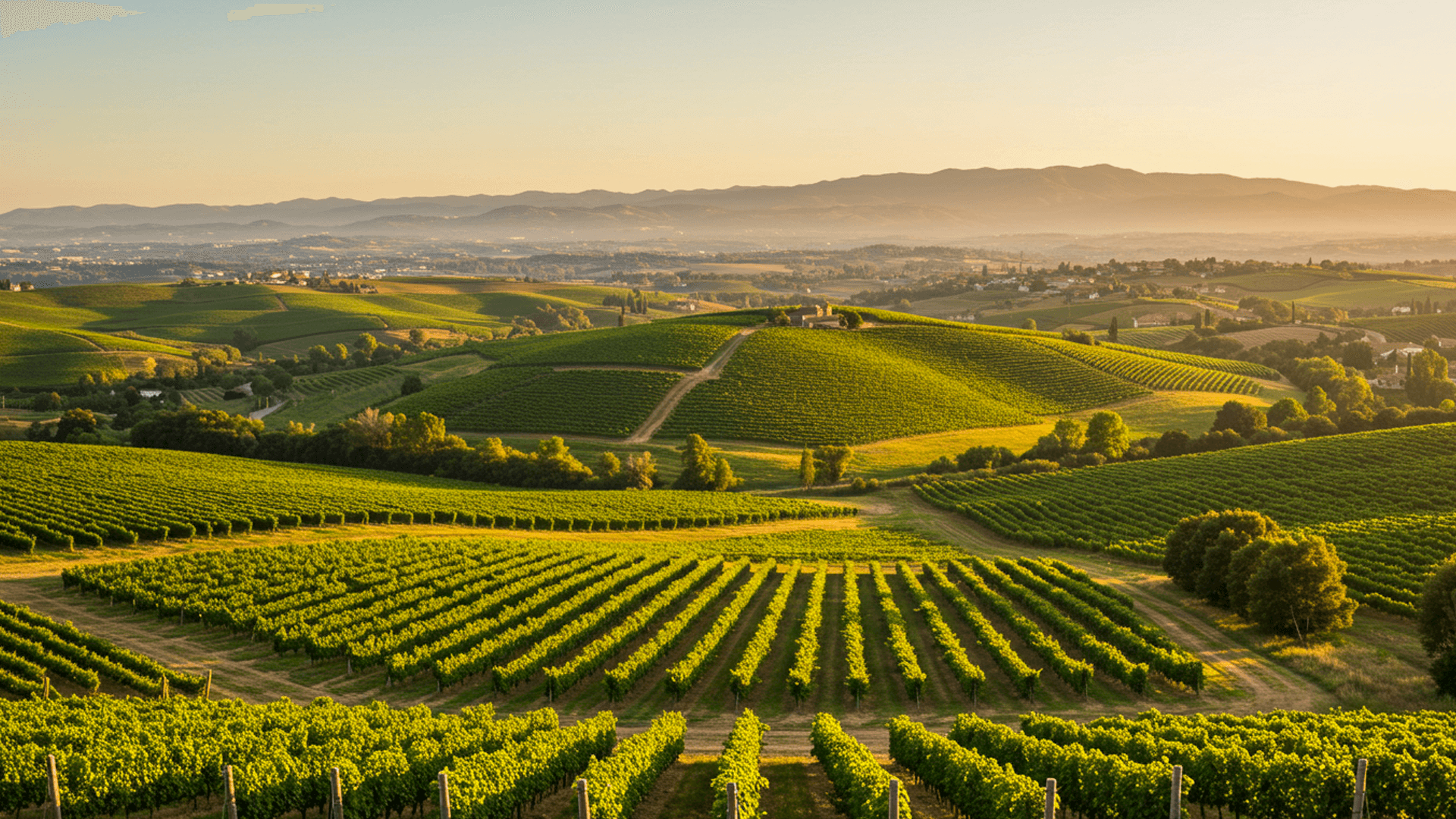
Climate Change Risks & Adaptations in South African Viticulture
A Landscape of Shifting Seasons and Resilient Vineyards In the heart of South Africa’s Cape Winelands, vineyards that have thrived for centuries...

Rooibos Wine: South Africa's Unique Twist on Traditional Winemaking
A New Chapter in the Story of Wine Every culture leaves its fingerprint on the timeless tradition of winemaking. In France, oak barrels whisper of...
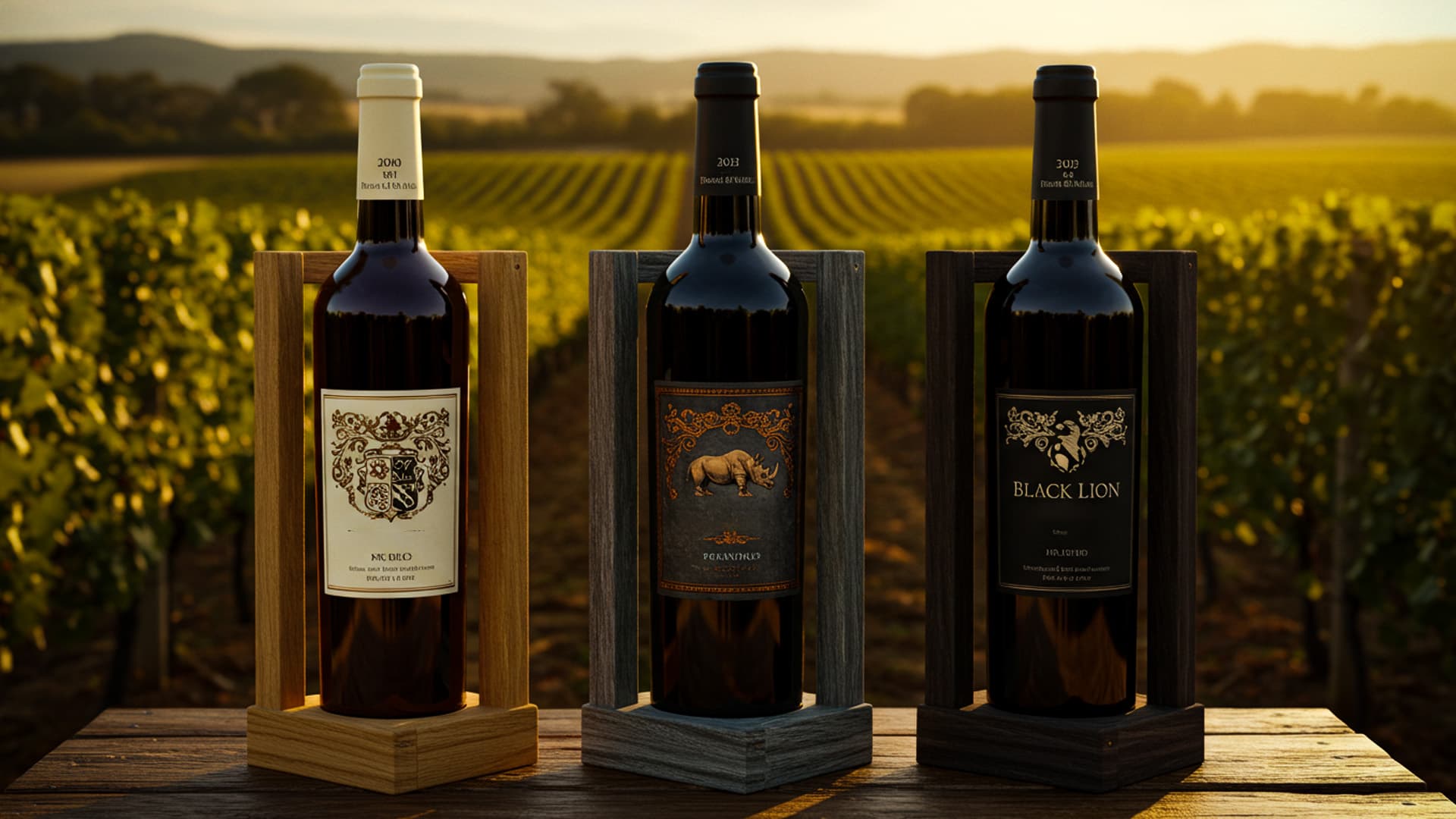
Cellar Investments: Collectible South African Wines to Watch
Cultivating a Portfolio of South Africa's Liquid Treasures Picture yourself descending into a subterranean vault where bottles rest like...
South Africa’s Signature Wines Unveiled
Exploring the Terroir of Chenin Blanc, Pinotage, Shiraz, and Cabernet Sauvignon South Africa’s vineyards are as diverse as the landscapes that...
The Rich History of South African Wine: From 1659 to Today
A Journey Through Time and Terroir In the sun-dappled valleys of South Africa, the story of wine unfolds like an epic saga—rich in tradition...
Best South African Wines for Gifting in 2025
Discover the Finest South African Wines That Make Memorable Gifts for Wine Lovers South Africa's winemaking prowess has steadily gained...