

Wine Tourism in South Africa: A Vital Pillar of the Nation's Economy
Author
Elisha Roodt
Date Published
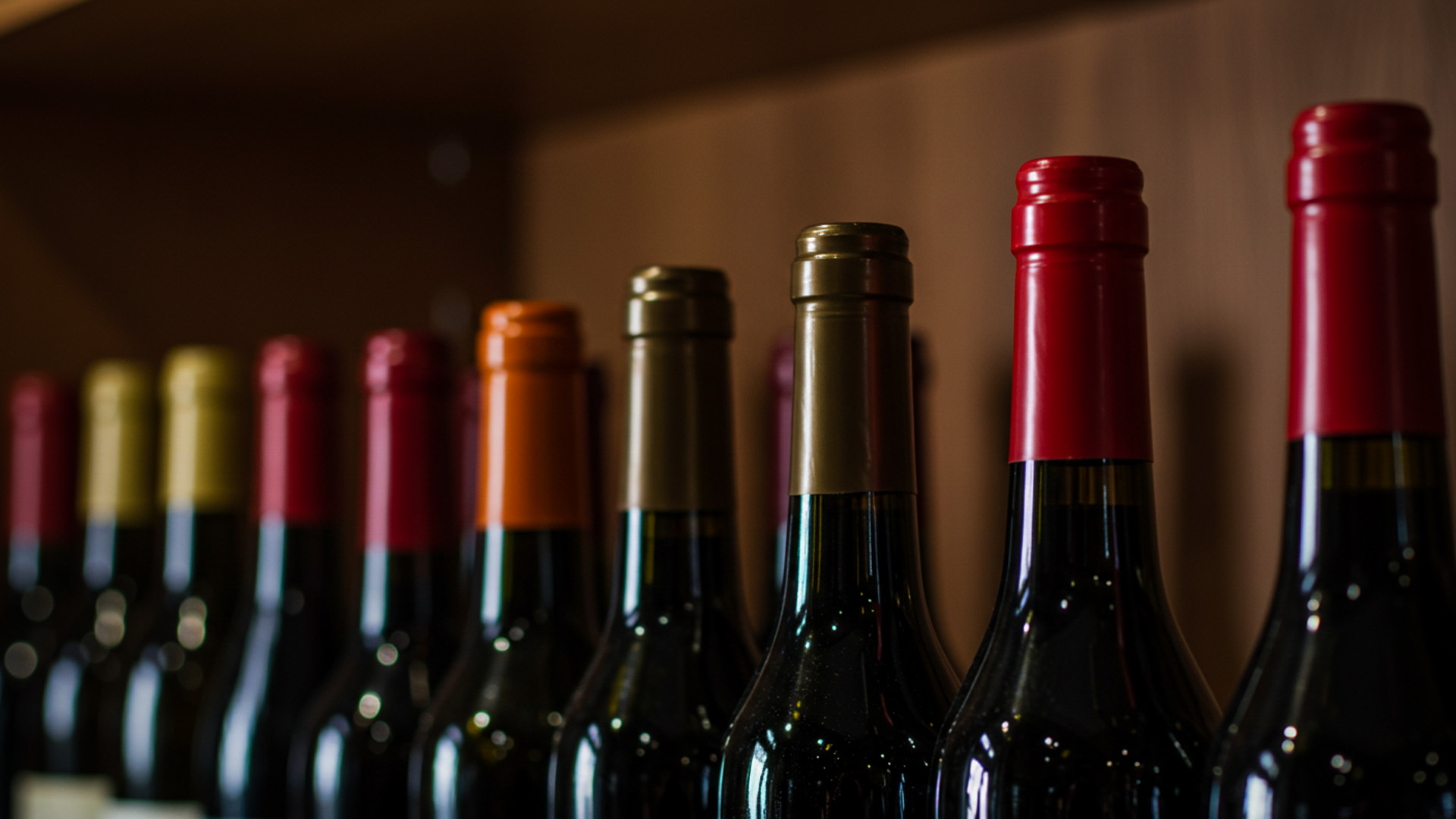
Exploring the Vibrant Intersection of Vineyards and Adventure
South Africa's wine tourism industry has blossomed into a dynamic sector, intertwining the rich heritage of viticulture with exhilarating adventure activities. This synergy not only attracts wine aficionados but also thrill-seekers from around the globe, creating a multifaceted experience that significantly contributes to the nation's economy. From sprawling vineyards nestled in picturesque landscapes to heart-pounding adventures that defy gravity and nature, wine tourism in South Africa offers a unique blend of leisure and excitement. This intricate dance between relaxation and adrenaline fuels economic growth, fosters cultural exchange, and positions South Africa as a premier destination on the global tourism map.
At the heart of this flourishing industry are the renowned wine estates that serve as both cultural landmarks and economic engines. These estates, with their meticulously curated vineyards and state-of-the-art facilities, provide visitors with immersive wine tasting experiences that delve deep into the art and science of winemaking. Complementing these serene settings are adventure activities such as bungee jumping, shark cage diving, hiking, and paragliding, which add an element of thrill to the wine-centric excursions. This harmonious blend of activities not only enhances the visitor experience but also diversifies the revenue streams for local communities, ensuring sustained economic vitality.
Premier Wine Estates Driving Tourism
Stellenbosch Wine Route: A Symphony of Flavors
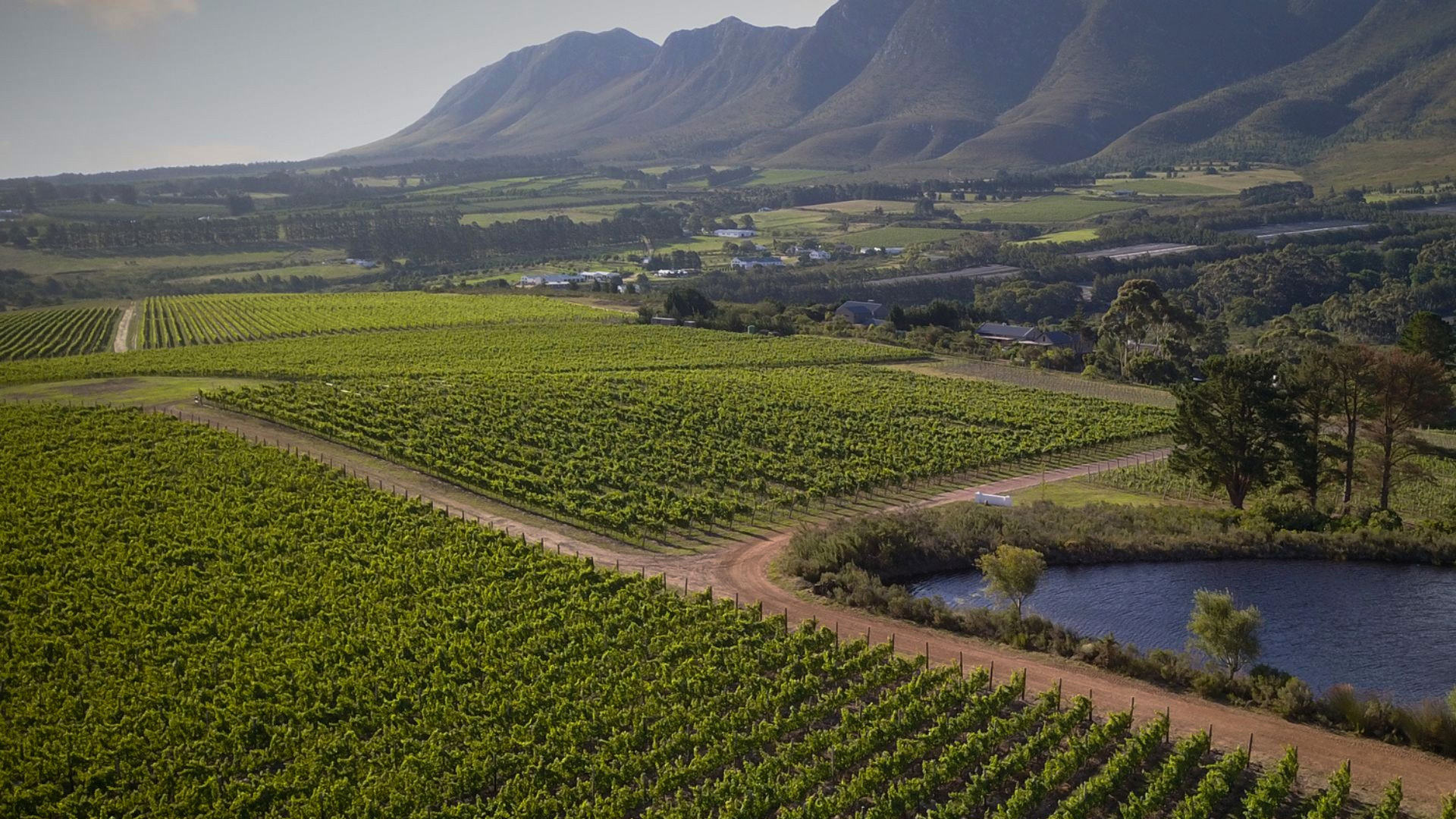
Stellenbosch, often hailed as the heart of South Africa's wine country, boasts a wine route that is nothing short of a symphony of flavors. The region's diverse terroir, characterized by its varied soil types and microclimates, cultivates an array of grape varieties that produce distinctive and high-quality wines. Visitors traverse winding roads flanked by majestic Cape Dutch architecture and verdant vineyards, each estate offering a unique tasting experience that reflects the region's rich viticultural heritage. From robust reds to crisp whites, the Stellenbosch Wine Route presents a kaleidoscope of flavors that cater to both novice wine enthusiasts and seasoned connoisseurs.
Beyond the exquisite wines, Stellenbosch is renowned for its vibrant culinary scene and cultural attractions. Many estates host gourmet restaurants that pair their finest vintages with locally sourced delicacies, creating a gastronomic adventure that tantalizes the palate. Additionally, the region's commitment to sustainability and innovation is evident in its eco-friendly vineyard practices and cutting-edge winemaking techniques. This dedication not only enhances the quality of the wines but also attracts environmentally conscious tourists who seek to indulge in their passion while supporting sustainable initiatives.
Franschhoek’s French Charm and Exquisite Vintages
Franschhoek, meaning "French Corner," exudes a European charm that seamlessly blends with South Africa's indigenous culture. This picturesque town, nestled in the Western Cape, is celebrated for its exquisite vintages and world-class wine estates that offer a refined tasting experience. The region's French Huguenot heritage is palpable in its elegant architecture, gourmet restaurants, and sophisticated wine cellars, providing a romantic backdrop for wine tourism. Visitors can explore boutique wineries that produce limited-edition wines, often utilizing traditional French winemaking techniques that have been perfected over generations.
The allure of Franschhoek extends beyond its vineyards; the town is a cultural hub that hosts numerous art galleries, festivals, and culinary events throughout the year. Wine enthusiasts can participate in exclusive tastings, vineyard tours led by expert sommeliers, and intimate cellar visits that unveil the intricate processes behind each bottle. The integration of art and wine creates a holistic experience that appeals to the senses, fostering a deeper appreciation for both the craftsmanship of winemaking and the cultural tapestry of the region.
Paarl’s Rich Heritage and Award-Winning Wines
Paarl, one of South Africa's oldest wine regions, is steeped in a rich heritage that dates back to the 17th century. The region's historical significance is mirrored in its venerable wine estates, many of which have been family-owned for generations. Paarl's diverse climate and fertile soils contribute to the production of award-winning wines that have garnered international acclaim. The estate tours in Paarl often include visits to historic cellars, where visitors can learn about the evolution of winemaking practices and sample wines that embody the region's storied past.
In addition to its exceptional wines, Paarl is renowned for its scenic beauty and outdoor recreational opportunities. The Paarl Mountain Nature Reserve offers hiking trails that wind through indigenous forests and panoramic viewpoints overlooking the vineyards. This harmonious blend of history, natural beauty, and viticultural excellence makes Paarl a compelling destination for wine tourists seeking a comprehensive and enriching experience. The estate events, such as harvest festivals and wine blending workshops, further enhance the visitor experience, fostering a deep connection between the tourists and the local winemaking community.
Immersive Wine Tasting Experiences
Guided Tastings and Vineyard Tours
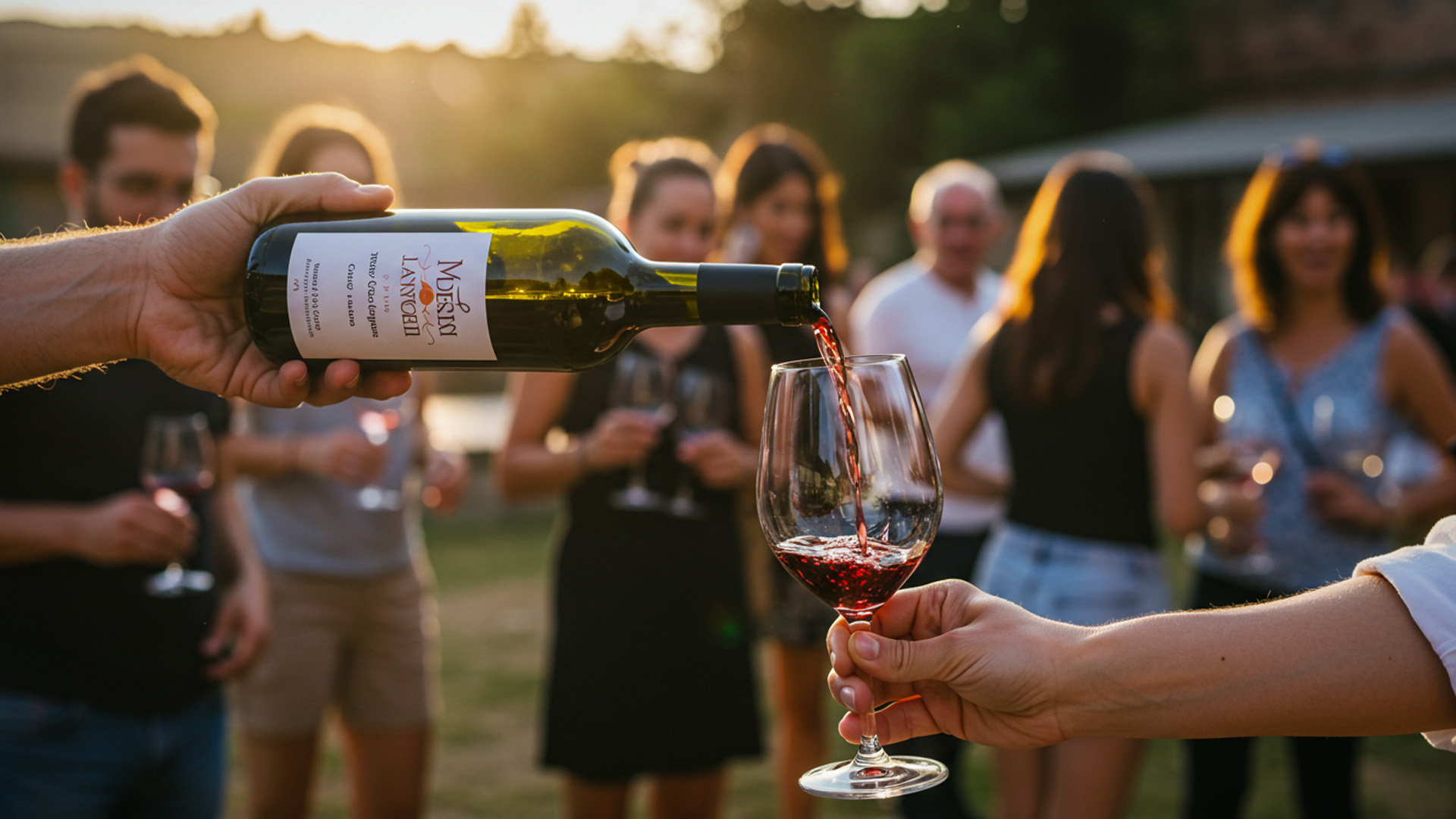
Guided tastings and vineyard tours form the cornerstone of the wine tourism experience, providing visitors with an in-depth understanding of the winemaking process. Knowledgeable guides lead guests through the vineyards, explaining the nuances of grape cultivation, terroir influences, and the intricacies of varietal characteristics. This educational journey transforms a simple tasting into an enlightening exploration of the factors that contribute to each wine's unique profile. The interactive nature of these tours encourages visitors to engage with the winemakers, fostering a personal connection that enhances the overall experience.
These curated experiences often include exclusive access to limited-production wines and behind-the-scenes glimpses into the cellar operations. Guests may witness the meticulous process of barrel aging, the precision of bottling, and the artistry involved in blending different vintages to create the perfect balance. By demystifying the complexities of winemaking, guided tastings empower visitors to appreciate the craftsmanship that elevates wine from a mere beverage to a work of art. This enhanced appreciation not only enriches the visitor experience but also drives demand for high-quality wines, contributing to the economic sustainability of the wine estates.
Vertical Tastings: A Journey Through Terroir
Vertical tastings offer a sophisticated approach to wine appreciation, allowing enthusiasts to sample different vintages of the same wine to discern the subtle shifts in flavor and character over time. This methodical exploration provides insights into how climatic variations, aging processes, and winemaking decisions influence the evolution of a wine's profile. By experiencing the progression of a wine across several years, visitors gain a deeper understanding of the delicate balance between tradition and innovation that defines South African winemaking.
The concept of terroir, a French term encapsulating the environmental factors that affect a crop's phenotype, is brought to life through vertical tastings. Each vintage serves as a living testament to the unique combination of soil, climate, and human intervention that shapes the wine's identity. This nuanced approach not only enhances the sensory experience but also highlights the resilience and adaptability of South Africa's wine regions in the face of changing environmental conditions. Vertical tastings thus serve as both an educational tool and a celebration of the enduring legacy of South African viticulture.
Food and Wine Pairing Extravaganzas
Food and wine pairing events elevate the tasting experience by harmonizing culinary delights with complementary wines. These extravagant gatherings showcase the symbiotic relationship between gastronomy and viticulture, where each dish is meticulously crafted to enhance the nuances of the accompanying wine. Renowned chefs collaborate with winemakers to design menus that highlight the flavors, textures, and aromas of both the food and the wine, creating a multisensory experience that delights the palate and the mind.
Such pairings often draw inspiration from local ingredients and traditional recipes, infusing each dish with a sense of place and cultural heritage. The careful selection of wines for each course amplifies the dining experience, allowing guests to savor the intricate dance of flavors that unfolds with every bite and sip. These events not only provide an opportunity for visitors to indulge in gourmet cuisine but also foster a deeper appreciation for the craftsmanship involved in both winemaking and culinary arts. The resultant synergy between food and wine enhances the overall tourist experience, encouraging repeat visits and positive word-of-mouth referrals that bolster the local economy.
Adventure Activities Complementing Wine Tourism
Bungee Jumping: A Thrilling Leap into Vineyard Vistas
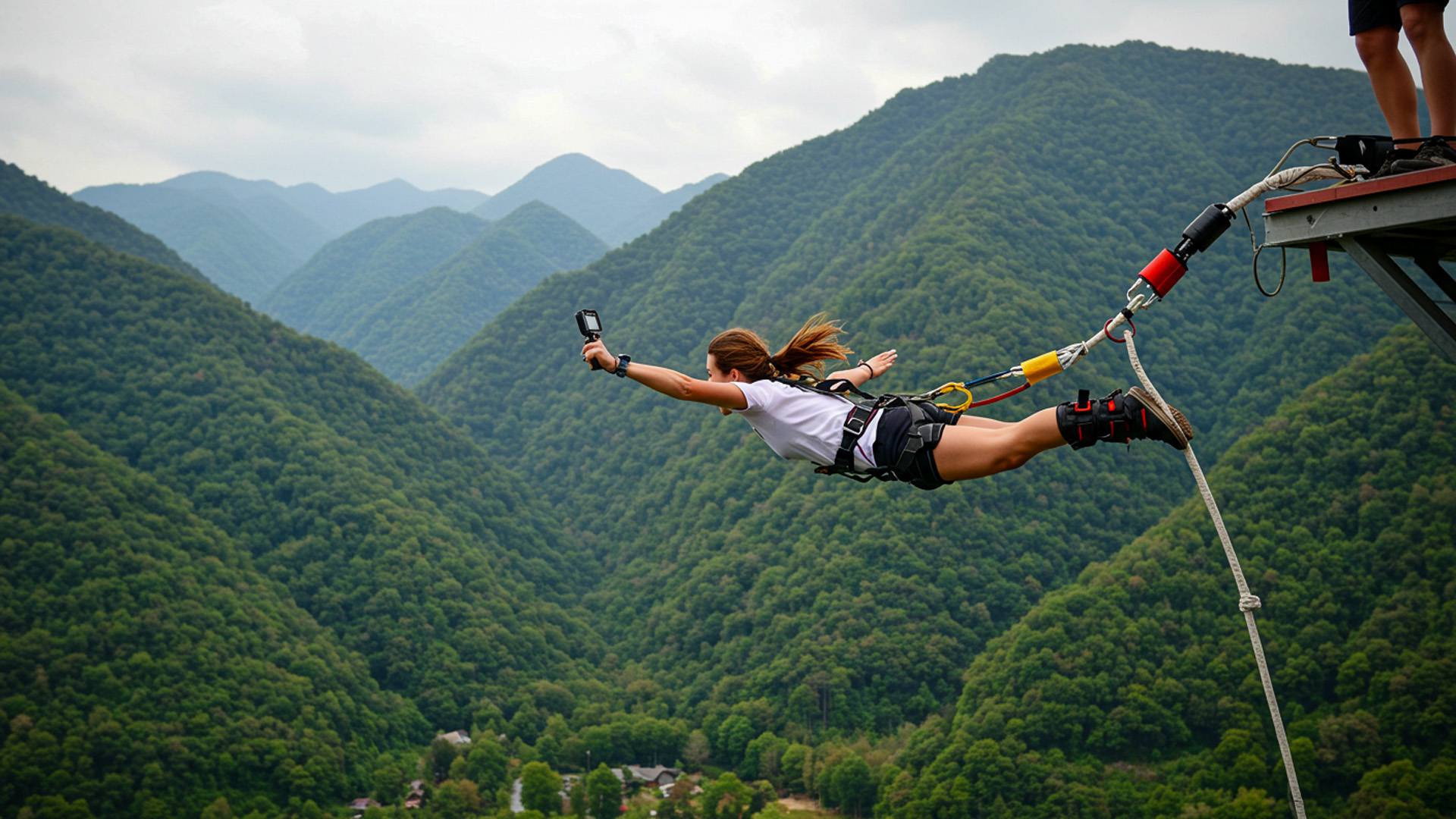
For those seeking an adrenaline rush amidst serene landscapes, bungee jumping offers an exhilarating complement to wine tourism. South Africa's scenic vineyards provide a breathtaking backdrop for this heart-pounding activity, where participants can plunge into the depths while gazing upon lush grapevines and rolling hills. The juxtaposition of high-octane adventure against the tranquil beauty of the vineyards creates a unique and memorable experience that appeals to thrill-seekers and wine enthusiasts alike.
The integration of bungee jumping with wine tours exemplifies the innovative spirit of South Africa's tourism industry, which seeks to cater to diverse interests and preferences. Adventure operators collaborate with local wine estates to design packages that combine the excitement of bungee jumping with the relaxation of wine tasting, ensuring a seamless and balanced itinerary for visitors. This fusion of activities not only enhances the overall tourist experience but also broadens the appeal of wine regions, attracting a wider demographic and increasing visitor numbers during peak and off-peak seasons alike.
Shark Cage Diving: An Adrenaline Rush by the Coast
Shark cage diving presents an unparalleled opportunity to witness marine predators in their natural habitat, adding a marine dimension to South Africa's adventure tourism. Coastal wine estates located near renowned diving spots allow visitors to seamlessly transition from exploring vineyards to experiencing the thrill of encountering sharks up close. This unique combination of land and sea adventures caters to a niche market of eco-adventurers who seek both terrestrial and marine experiences within a single trip.
The juxtaposition of vineyard tranquility and oceanic excitement underscores the versatility of South Africa's tourism offerings, catering to a spectrum of interests and fostering a holistic visitor experience. Shark cage diving excursions are typically guided by experienced marine biologists and professional divers, ensuring safety and educational value. This educational aspect enriches the adventure, providing insights into marine conservation efforts and the ecological significance of sharks. By intertwining these diverse activities, South Africa not only enhances its appeal as a multifaceted destination but also promotes sustainable tourism practices that benefit both the economy and the environment.
Hiking Trails: Trekking Through the Vine-Cloaked Mountains
Hiking through South Africa's wine regions offers an immersive way to explore the natural beauty and biodiversity that underpin the viticultural landscape. Vine-cloaked mountains and verdant valleys provide a picturesque setting for trails that range from leisurely strolls to challenging treks, accommodating hikers of all skill levels. These trails often wind through indigenous forests, past sparkling rivers, and up to panoramic viewpoints that reveal the expansive tapestry of vineyards below, offering a harmonious blend of physical activity and scenic splendor.
The hiking experience is further enriched by the presence of wildlife and the opportunity to learn about the region's flora and fauna. Guided hikes led by knowledgeable naturalists provide insights into the symbiotic relationship between the ecosystem and the vineyards, highlighting sustainable farming practices and conservation efforts. This connection between nature and viticulture fosters a deeper appreciation for the land, encouraging visitors to engage with the environment in a meaningful and respectful manner. The integration of hiking with wine tourism not only promotes healthy living and environmental stewardship but also enhances the overall attractiveness of South Africa's wine regions as destinations that offer both relaxation and adventure.
Paragliding: Soaring Above the Vineyards
The Pinnacle Experience: Aerial Views of Wine Lands
Paragliding offers a breathtaking vantage point from which to appreciate the expansive beauty of South Africa's wine regions. Soaring above the vineyards, paragliders are treated to panoramic views that capture the intricate patterns of grapevines, the undulating terrain of the landscape, and the distant horizons that stretch to the sea. This aerial perspective transforms the familiar sight of vineyards into a mesmerizing mosaic, revealing the full grandeur of the region's natural and agricultural splendor. The sensation of flight adds an element of wonder and freedom, making paragliding a pinnacle experience for those seeking a unique and unforgettable way to engage with the wine country.
The tranquility of gliding through the sky contrasts beautifully with the dynamic activity below, creating a serene and contemplative experience that complements the sensory pleasures of wine tasting. Paragliding enthusiasts often describe the experience as both exhilarating and meditative, a perfect balance that mirrors the harmony between adventure and relaxation inherent in South Africa's wine tourism offerings. This duality enhances the overall appeal of the wine regions, attracting visitors who seek both excitement and tranquility in their travels.
Safety and Accessibility for Adventure Seekers
Ensuring safety and accessibility is paramount in the integration of paragliding into wine tourism itineraries. Reputable paragliding operators adhere to stringent safety protocols, including comprehensive training for pilots, regular equipment maintenance, and adherence to aviation regulations. This commitment to safety provides peace of mind for participants, allowing them to fully embrace the experience without undue concern. Additionally, paragliding services are designed to accommodate a range of skill levels, from beginners seeking tandem flights with experienced pilots to seasoned paraglider enthusiasts looking for more challenging routes.
Accessibility is further enhanced by the strategic placement of paragliding launch sites near major wine estates, facilitating easy transitions between activities. This proximity allows visitors to seamlessly combine aerial adventures with vineyard tours and tastings, maximizing their time and enhancing their overall experience. The inclusion of paragliding in wine tourism packages broadens the demographic reach, attracting adventure enthusiasts who might not have previously considered wine tourism as part of their travel plans. By prioritizing safety and accessibility, South Africa's paragliding operators ensure that this thrilling activity is an inclusive and integral component of the wine tourism landscape.
Integrating Paragliding with Winery Visits
The seamless integration of paragliding with winery visits exemplifies the innovative approach of South Africa's wine tourism industry in crafting multifaceted experiences. Packages often include a morning flight over the vineyards, followed by a leisurely afternoon of wine tasting and vineyard exploration. This balanced itinerary allows visitors to experience the full spectrum of what the wine regions have to offer, from the exhilaration of flight to the indulgence of savoring fine wines. The synergy between these activities creates a cohesive narrative that highlights the diverse attractions of the region, enhancing the overall visitor experience and encouraging longer stays and repeat visits.
The combination of paragliding and winery visits fosters a deeper connection between tourists and the landscape, as the aerial and terrestrial experiences complement each other in highlighting the beauty and complexity of the wine regions. This holistic approach not only enriches the visitor's journey but also promotes a greater appreciation for the delicate interplay between nature and agriculture that sustains the viticultural industry. By offering integrated experiences, South Africa's wine tourism sector positions itself as a leader in innovative and diverse travel offerings, catering to the evolving preferences of modern travelers.

Economic Impact and Future Prospects
Revenue Generation and Employment Opportunities
Wine tourism is a significant driver of revenue in South Africa's economy, contributing billions of rands annually through tourism spending on accommodation, dining, wine purchases, and adventure activities. The influx of tourists to wine regions stimulates local businesses, from boutique hotels and bed-and-breakfast establishments to artisanal shops and fine dining restaurants. Additionally, the wine industry's multiplier effect creates numerous employment opportunities, ranging from vineyard workers and winemakers to tour guides and hospitality staff. This broad spectrum of job creation fosters economic stability and growth in both urban and rural areas, enhancing the overall prosperity of the nation.
Wine tourism promotes investment in infrastructure and services, such as transportation, healthcare, and utilities, which benefit local communities and improve the quality of life for residents. The continuous flow of tourists encourages the development of new businesses and the expansion of existing ones, driving innovation and competitiveness within the industry. This dynamic economic landscape not only supports current economic activities but also ensures the long-term sustainability and resilience of South Africa's economy in the face of global market fluctuations and changing consumer preferences.
Sustainable Practices and Eco-Tourism Initiatives
Sustainability is at the forefront of South Africa's wine tourism industry, with many estates adopting eco-friendly practices to minimize their environmental impact and promote responsible tourism. Sustainable viticulture practices, such as organic farming, water conservation, and renewable energy utilization, are increasingly prevalent among wine estates, reflecting a commitment to environmental stewardship. These initiatives not only preserve the natural beauty and biodiversity of the wine regions but also appeal to environmentally conscious tourists who prioritize sustainable travel choices.
Eco-tourism initiatives extend beyond the vineyards, encompassing efforts to protect local ecosystems, support community development, and reduce carbon footprints. Wine estates often collaborate with conservation organizations and engage in community outreach programs that promote education, healthcare, and economic empowerment. By integrating sustainability into their operations, South African wine estates demonstrate a holistic approach to tourism that balances economic growth with environmental and social responsibility. This commitment to sustainability enhances the reputation of South Africa's wine tourism sector, attracting a discerning clientele that values ethical and sustainable travel practices.
Emerging Trends and Technological Innovations
The future of wine tourism in South Africa is being shaped by emerging trends and technological innovations that enhance the visitor experience and streamline industry operations. Digital advancements, such as virtual vineyard tours, augmented reality wine labels, and mobile apps for personalized wine recommendations, are transforming the way tourists engage with wine estates. These technologies provide immersive and interactive experiences that cater to the tech-savvy traveler, offering new ways to explore and appreciate the nuances of South African wines.
The integration of data analytics and artificial intelligence in vineyard management and marketing strategies is revolutionizing the industry. Predictive analytics enable winemakers to optimize grape cultivation and harvest schedules, while AI-driven marketing tools facilitate targeted promotions and personalized visitor experiences. These innovations not only improve operational efficiency but also enhance the ability of wine estates to connect with their audience and anticipate market trends. As South Africa continues to embrace these advancements, the wine tourism sector is poised for sustained growth and continued relevance in an increasingly digital and interconnected world.
The convergence of tradition and innovation, coupled with a commitment to sustainability and excellence, positions South Africa's wine tourism industry as a robust and dynamic contributor to the nation's economy. By continually evolving to meet the diverse needs and preferences of global travelers, South Africa ensures that its wine regions remain vibrant and competitive, attracting visitors from all corners of the globe and securing a prosperous future for its viticultural heritage.

Economic Impact And Future Prospects