

Wine Tasting Etiquette and Tips
Author
Elisha Roodt
Date Published
Wine Tasting
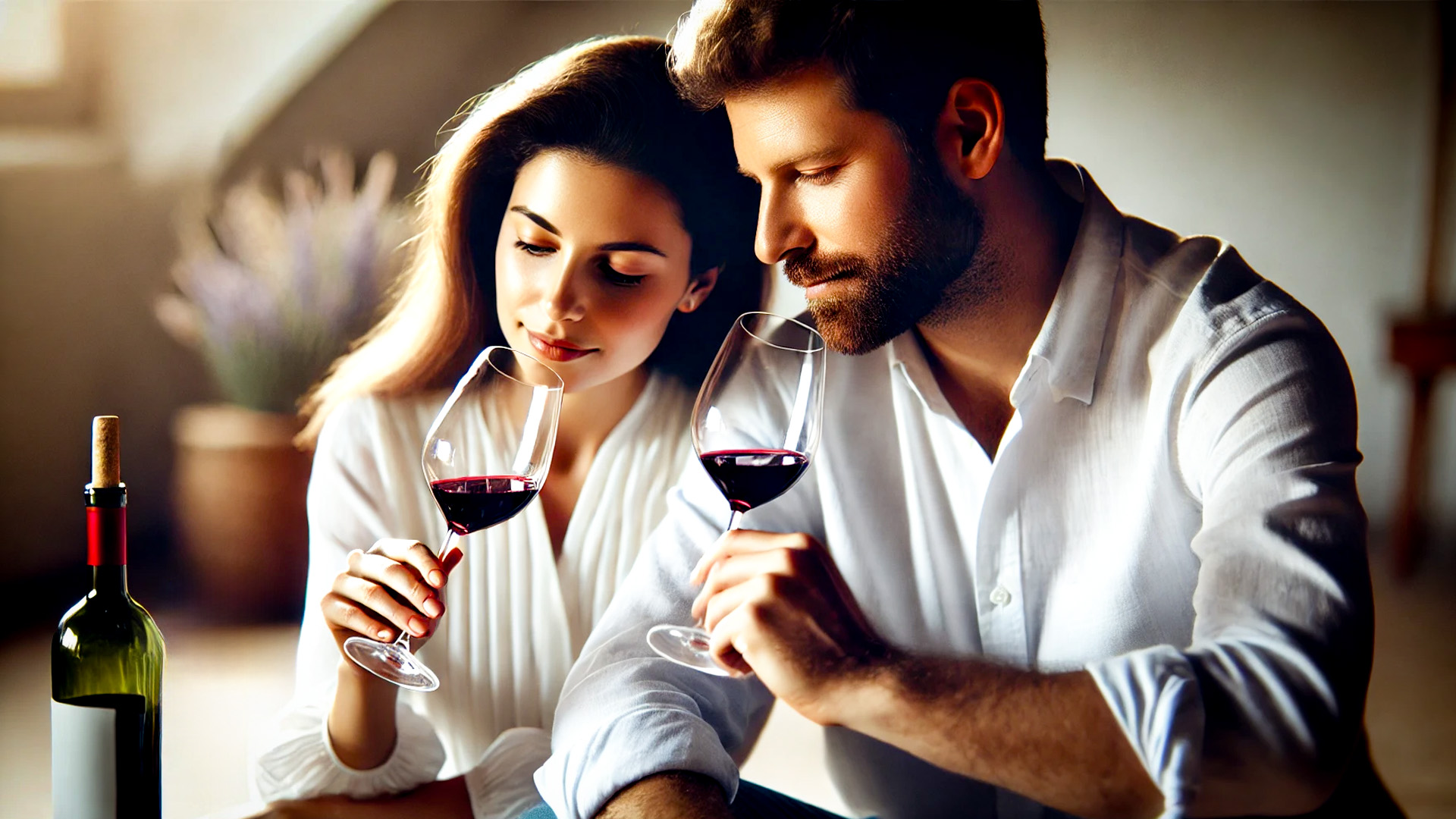
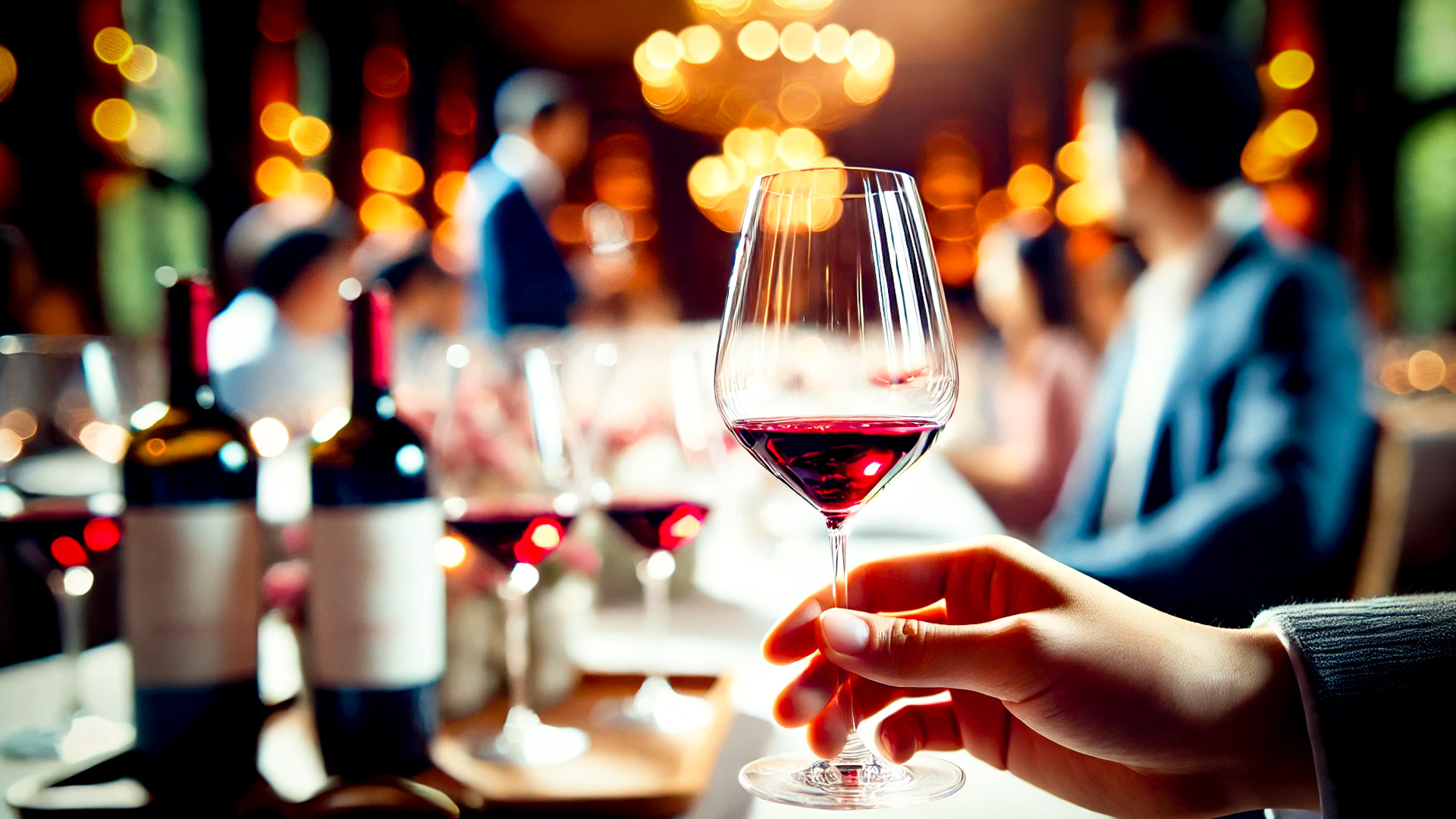
Wine tasting is both an art and a science, offering enthusiasts an immersive journey through the nuances of flavor, aroma, and texture that define each bottle. It involves a detailed sensory exploration that allows individuals to discern and appreciate the complex layers of taste and aroma unique to each varietal and vintage. During a wine tasting, participants use their senses—sight, smell, taste, and touch—to evaluate a wine's attributes. This process helps identify characteristics such as acidity, tannins, body, and the balance of flavors. It’s a methodical approach to experiencing wine that reveals the subtleties and complexities that might be missed in casual drinking.
The purpose of tasting wine extends far beyond mere enjoyment; it serves as a means of education, deepening one’s appreciation and understanding of this ancient beverage. By learning to identify the different elements that contribute to a wine's profile, individuals can enhance their ability to select wines that suit their preferences and enhance their culinary experiences. Whether attending a formal tasting event, exploring wines at a local winery, or enjoying a casual session with friends, the goal remains consistent: to develop a refined palate and gain insight into the intricacies of each wine.
The history of wine tasting is rich and rooted in tradition. Ancient civilizations like Greece and Rome held wine in high regard, incorporating it into social and religious practices. These early wine-tasting practices laid the groundwork for what would become a more structured and sophisticated tradition. As winemaking techniques evolved and spread, so too did the practice of tasting wines to evaluate their quality and characteristics. The 19th century marked a significant turning point with the establishment of formal wine competitions and the emergence of professional sommeliers. These developments contributed to the modern wine-tasting culture, which is characterized by its emphasis on expertise, evaluation, and appreciation of fine wines. Today, wine tasting continues to evolve, embracing new techniques and technologies while maintaining its deep connection to historical practices.
Preparing for a Wine Tasting
Selecting the right wines is pivotal for a successful wine tasting. Begin by curating a diverse selection that spans various regions, varietals, and styles. This approach provides participants with a well-rounded experience and showcases the vast array of wine profiles available. Aim to include a balanced mix of reds, whites, and possibly sparkling wines. Each type of wine brings unique characteristics, and by offering a range, you can highlight the different influences of factors such as climate, soil, and winemaking techniques. For instance, a robust Cabernet Sauvignon from Napa Valley might contrast sharply with a delicate Pinot Noir from Burgundy, illustrating how regional differences impact flavor profiles. This variety not only makes the tasting more engaging but also educates participants on the nuances of wine.
Choosing an appropriate venue is crucial for enhancing the tasting experience. Whether you’re at a vineyard, a specialized tasting room, or hosting at home, the setting should be tailored to encourage focus and enjoyment. Vineyards are particularly advantageous, as they offer the opportunity to experience wines in their natural environment, often accompanied by knowledgeable staff who can provide context and answer questions about the wines. The atmosphere of a vineyard can also contribute to a memorable experience. If you’re hosting at home, aim to create a space that is comfortable and free from distractions. Arrange ample seating and ensure the area is well-lit to facilitate proper wine examination. A relaxed and organized environment allows participants to engage fully with the tasting, enhancing their overall experience.
Essential supplies for a wine tasting include high-quality glassware, which plays a significant role in appreciating the wine's aroma and flavor. The right glasses allow for a more accurate assessment of each wine's characteristics, such as its bouquet, clarity, and body. Additionally, providing a spittoon is important for those who wish to taste multiple wines without becoming overwhelmed by alcohol consumption. Having water available for palate cleansing is also essential, as it helps reset the taste buds between wines. Tasting notes sheets are valuable for recording impressions and observations, offering a structured way to evaluate each wine. These supplies not only aid in maintaining focus but also contribute to a more organized and enjoyable tasting experience.
Understanding Wine Tasting Terminology
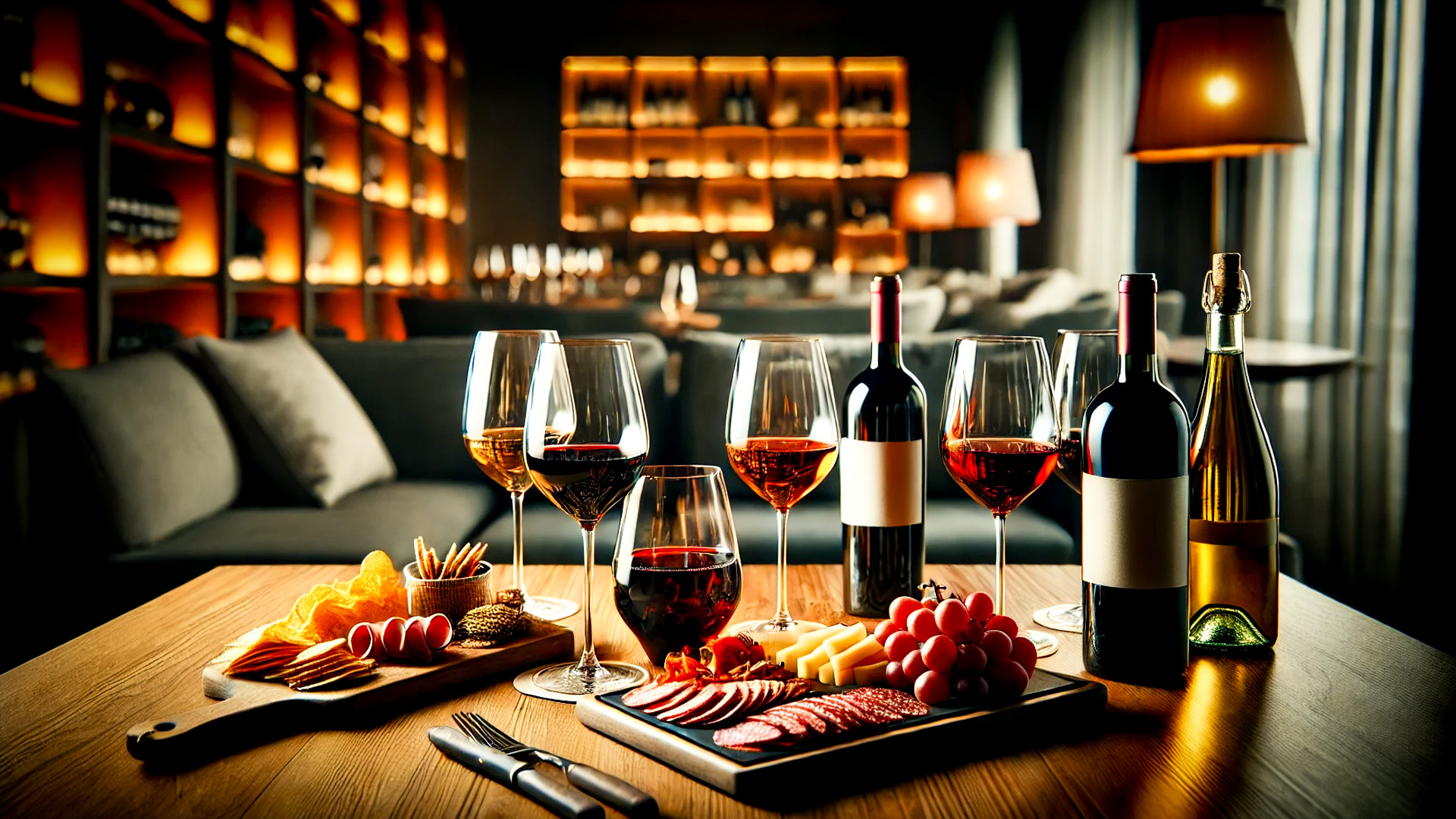
To truly appreciate wine, mastering wine tasting terminology is essential. Key terms like "body" and "tannins" are foundational to describing and evaluating wines. "Body" refers to the weight and fullness of the wine on the palate, which can range from light and delicate to full and robust. This characteristic is often influenced by factors such as the grape variety, alcohol content, and winemaking techniques. "Tannins," on the other hand, are compounds found in grape skins, seeds, and stems, contributing to the wine’s structure and aging potential. They create a sensation of dryness and can affect the wine's texture and mouthfeel. Understanding these terms helps in assessing the wine's complexity and its ability to age gracefully.
The "finish" of a wine is another critical term, describing the flavors that linger on the palate after swallowing. A long, persistent finish often indicates a high-quality wine with depth and complexity, while a short finish may suggest a simpler wine. The quality and character of the finish can provide valuable insights into the wine’s overall balance and craftsmanship.
Using precise and evocative language is crucial when describing wines. Instead of general terms like "good" or "bad," opt for descriptive adjectives such as "crisp," "velvety," or "earthy." For example, a wine might be described as having "notes of blackcurrant and hints of oak," which paints a more detailed picture of its flavor profile. This specificity helps convey the unique characteristics of the wine and enhances communication about its qualities.
Familiarity with common wine tasting descriptions further enriches the experience. Terms like "complex" indicate that a wine has multiple layers of flavor, offering a rich and varied tasting experience. A "balanced" wine, on the other hand, achieves a harmonious integration of sweetness, acidity, and tannins, creating a well-rounded and pleasing profile. Understanding and employing these descriptions allows for more meaningful discussions about the wines, leading to a deeper appreciation and enjoyment of the tasting experience.
Wine Tasting Etiquette at a Vineyard
Proper etiquette is crucial when attending a vineyard tasting, as it contributes to a respectful and enjoyable experience for everyone involved. Start by approaching the tasting with an open mind and genuine curiosity. This mindset enhances your appreciation of the wines and fosters a positive atmosphere. Avoid disruptive behavior, such as loud talking or inappropriate conduct, which can detract from the experience and disturb other guests. Moderation in consumption is equally important; overindulgence can impair your ability to savor the wines fully and may negatively impact the enjoyment of fellow tasters.
When interacting with the sommelier or host, demonstrate politeness and genuine interest. Engage in thoughtful conversations by asking insightful questions about the wines and expressing appreciation for their expertise. Such interactions not only enrich your own understanding but also contribute to a more enjoyable tasting experience for everyone. Hosts and sommeliers often value enthusiastic guests who show genuine appreciation for their craft, creating a more engaging and pleasant environment.
Respecting the tasting schedule and being considerate of other guests are key aspects of good etiquette in a vineyard setting. Adhere to the allotted time for each tasting to ensure that everyone has a fair opportunity to enjoy the experience without feeling rushed. Being mindful of group dynamics and accommodating others helps maintain a pleasant atmosphere and ensures that all guests can partake in the tasting without overcrowding or unnecessary delays. This consideration helps create a smooth and enjoyable experience for all attendees, allowing each guest to fully appreciate the wines and the vineyard's unique offerings.
Wine Tasting Etiquette at Home
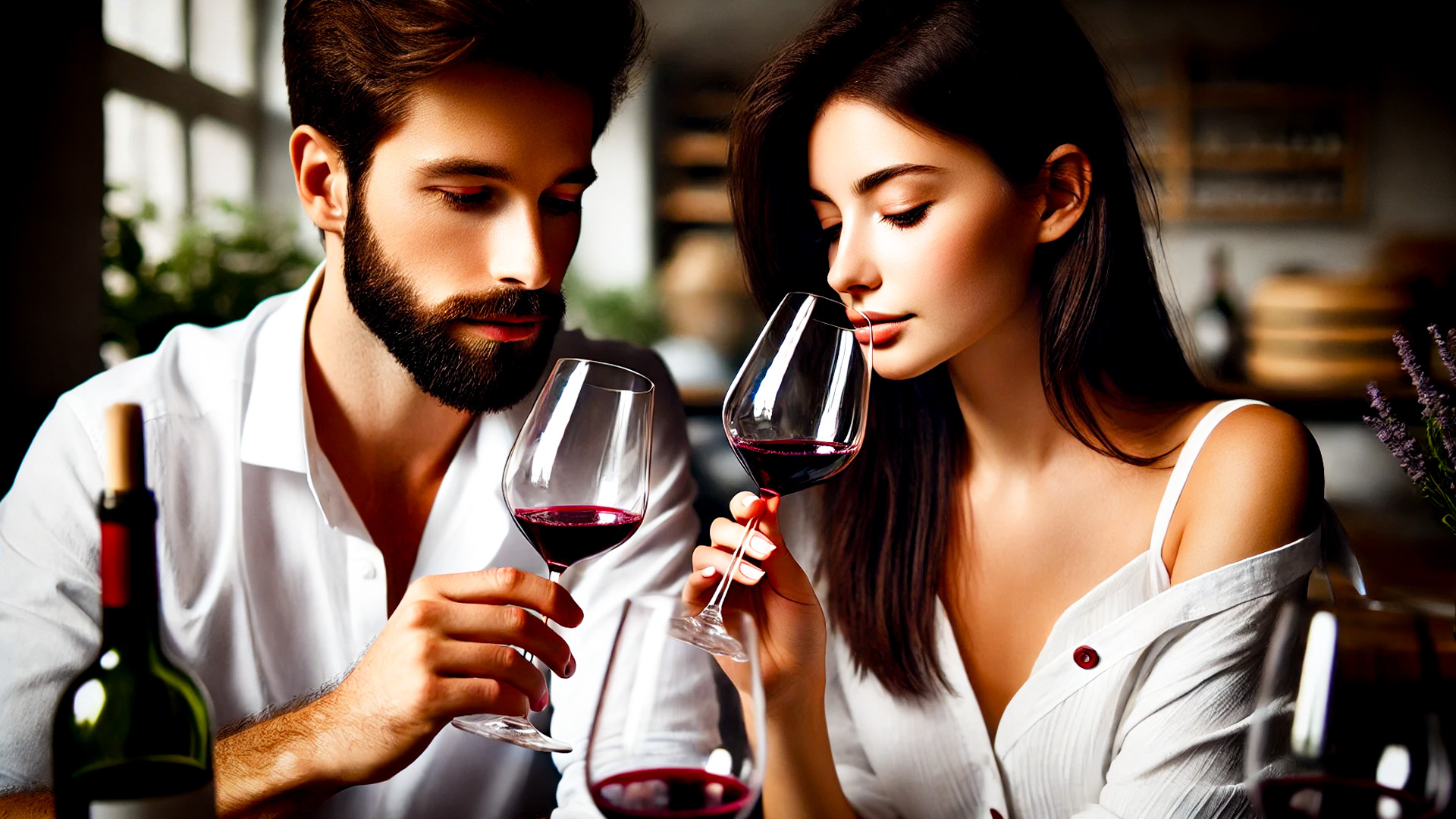
Creating a welcoming and organized environment is crucial when hosting a wine tasting at home. Start by arranging the wines in a logical sequence, typically from lighter to more robust options. This progression helps facilitate a coherent tasting experience and allows guests to appreciate the evolving flavors and aromas. Ensure there is ample space for guests to move comfortably, and that the lighting is sufficient for examining the wine’s color and clarity. Proper lighting enhances the ability to assess the wine’s appearance, which is an integral part of the tasting process. Additionally, providing comfortable seating and a pleasant ambiance will contribute to a more enjoyable and memorable event.
Effective planning is essential for a successful home tasting. Consider preparing tasting notes for your guests, which can guide their experience and provide context for each wine. These notes might include information about the wine’s origin, varietal, and tasting notes, as well as any relevant food pairings. Offering a selection of complementary foods, such as cheeses, charcuterie, or small bites, can enhance the tasting by pairing well with the wines and providing a balanced sensory experience. Additionally, providing a brief introduction to each wine can help set the stage, offering insights into its background and flavor profile, and stimulating engaging discussions among guests.
Handling wine and glassware with care is essential to maintain the integrity of the tasting. Use clean, crystal-clear glasses to allow for accurate evaluation of the wine’s appearance and aroma. Proper glassware enhances the sensory experience, making it easier to assess the wine’s bouquet and color. Handle bottles gently and pour with precision to avoid spills and ensure that each guest receives a fair portion of each wine. This attention to detail helps create a smooth and enjoyable experience for everyone, allowing them to fully engage with and appreciate the wines being tasted.
Maximizing Your Wine Tasting Experience
To fully appreciate and evaluate wine, adopting a systematic tasting approach is key. Begin by examining the wine’s appearance. Assess its color and clarity, which can provide initial clues about the wine’s age, varietal, and quality. For example, a deep red color might indicate a bold, full-bodied red, while a pale yellow could suggest a young, crisp white. Swirl the wine gently in your glass to release its aromas, then take a deep inhalation to identify the different scent components. Pay attention to the primary, secondary, and tertiary aromas, which can include fruity, floral, or earthy notes. This step is crucial for understanding the complexity and character of the wine.
When tasting, allow the wine to coat your palate fully. Take a moment to consider its balance, texture, and finish. Evaluate how well the wine’s components—such as sweetness, acidity, tannins, and alcohol—are integrated. A well-balanced wine will harmoniously blend these elements, while an overly sweet or tannic wine might indicate imbalance. The finish, or the lingering taste after swallowing, can provide insights into the wine’s overall quality and depth. A long, pleasant finish often signifies a high-quality wine with good aging potential.
Pairing wine with food can significantly enhance the tasting experience. Choose foods that complement the wine’s characteristics to bring out its best qualities. For instance, mild cheeses can pair beautifully with crisp white wines, while rich meats are well-suited to robust reds. The right food pairing can accentuate the wine’s flavors and provide a more nuanced understanding of its profile. Experimenting with different pairings can also be an enjoyable way to discover new flavor combinations and refine your palate.
Keeping a wine tasting journal is a valuable practice for tracking your preferences and improving your wine knowledge. Document your impressions of each wine, including specific flavors, aromas, and your overall enjoyment. This record will help you refine your palate and remember your favorite wines and styles. Over time, your journal will serve as a personal reference, guiding you in future tastings and allowing you to build a collection of preferred wines that suit your taste.
Common Mistakes to Avoid
To ensure a fulfilling wine tasting experience, it's crucial to manage tasting fatigue effectively. Sensory overload can diminish your ability to appreciate each wine fully, so it's important to take breaks between tastings. Cleansing your palate with water or plain bread helps reset your taste buds, preventing them from becoming overwhelmed. This practice allows you to approach each wine with a fresh perspective and ensures that you experience each one in its full context. Additionally, pacing yourself and avoiding too many tastings in one session can help maintain the quality of your evaluations.
Avoiding common tasting errors is also essential for a successful experience. Rushing through the tasting process or misidentifying flavors can lead to inaccurate assessments of the wines. Take your time with each wine, using proper tasting techniques to evaluate its appearance, aroma, and flavor profile. Focus on savoring and understanding the wine’s characteristics rather than simply consuming it. Patience and attention to detail are crucial, as they allow you to appreciate the nuances of each wine and avoid superficial judgments.
Handling criticism and feedback gracefully can significantly enhance your skills as a taster. Embrace constructive feedback with an open mind and view it as an opportunity for growth. Engaging in discussions with fellow wine enthusiasts can provide valuable insights and different perspectives, which can further refine your tasting abilities and deepen your understanding of wine. Being receptive to feedback and using it to improve your tasting technique will contribute to a more rewarding and educational experience.
Concluding Your Wine Tasting
Ending a wine tasting session on a positive note involves expressing gratitude to your hosts or guests and summarizing your key takeaways. Acknowledge the effort and expertise of those who organized the tasting, whether they are hosts, sommeliers, or fellow enthusiasts. Sharing your overall impressions and highlighting standout wines can reinforce the enjoyment of the experience and facilitate meaningful reflection. This final discussion not only helps consolidate your understanding but also provides an opportunity to appreciate and critique the wines thoughtfully. Reflecting on the session can deepen your appreciation and help you remember the key aspects of each wine.
Applying what you’ve learned from the tasting to future experiences can further enhance your understanding and enjoyment of wine. Use the insights gained to refine your palate and explore different wine styles and regions. Each tasting contributes to a broader appreciation of wine and helps you develop a more nuanced perspective. Continue experimenting with various wines and tasting techniques to build on your knowledge and experience.
Follow-up actions, such as purchasing wines you enjoyed or exploring new wine regions, can significantly enrich your wine journey. Consider joining wine clubs, which offer curated selections and access to exclusive tastings, or participating in additional tastings to broaden your exposure. Visiting different vineyards or regions provides firsthand experience with diverse wine styles and production methods. These activities can further expand your palate and deepen your knowledge, making each tasting experience more rewarding and informative.
Additional Resources
To enhance your wine tasting skills, exploring recommended books and guides can provide valuable knowledge and practical tips. Notable titles include "The Wine Bible" by Karen MacNeil, which offers a comprehensive exploration of wine regions, varietals, and tasting techniques, and "Wine Folly: The Master Guide" by Madeline Puckette, known for its visually engaging format and straightforward explanations that cater to both beginners and experienced enthusiasts.
Attending wine tasting events can significantly enrich your experience. Look for local events, festivals, and vineyard tours to taste a variety of wines and learn from experts. These events provide opportunities to engage with knowledgeable sommeliers and winemakers, gain insights into different wine styles, and broaden your understanding of the wine world.
Online resources and wine tasting communities are also valuable tools for discovering new wines and staying informed. Websites like Wine-Searcher allow you to search for and compare wines from various regions and producers, while platforms such as Vivino offer user-generated reviews and ratings, helping you make informed choices. Engaging with these communities can also connect you with other wine enthusiasts, providing additional perspectives and recommendations. Utilizing these resources can complement your tasting experiences and keep you updated on the latest trends and discoveries in the world of wine.