

The Rise of Natural Wines in South Africa
Author
Elisha Roodt
Date Published

The South African wine scene is currently experiencing a vibrant renaissance, marked by the growing popularity of natural and organic wines. This movement not only embraces authenticity and transparency but also champions sustainability, reflecting a broader global trend toward more conscientious consumption. At its heart, natural winemaking prioritizes minimal intervention, allowing the inherent characteristics of the grape to shine through without the interference of heavy chemical processes. This approach encourages a deeper connection between the wine, its origins, and the consumer, fostering a more meaningful appreciation of the product.
As consumer preferences evolve, there is a noticeable shift away from conventional, mass-produced wines toward those that offer a compelling narrative—bottles that tell stories about the land, the climate, and the artisans who crafted them. Modern wine enthusiasts are increasingly seeking authenticity, gravitating toward wines that embody a sense of place, or terroir, rather than the homogenized flavors often found in industrial winemaking. This desire for unique, locally-sourced products reflects a growing awareness of environmental impact and a preference for sustainable practices.
As South Africa aligns itself with this international trend, the effects are felt beyond the wine industry; they resonate within the country’s cultural identity. The embrace of natural and organic wines encourages a celebration of local traditions and biodiversity, allowing winemakers to showcase their unique heritage while contributing to the global dialogue on sustainable agriculture and responsible consumption. In this way, South Africa's wine renaissance is not merely a shift in production methods but a transformative movement that highlights the rich tapestry of the nation’s cultural and environmental landscape.
What Are Natural Wines?
Natural wines represent a unique and growing segment of the wine market, characterized by their production with minimal human intervention from vineyard to bottle. Unlike conventional wines, which often rely on a variety of additives and manipulative practices to enhance flavor and stability, natural wines embrace a philosophy of authenticity by avoiding synthetic chemicals, sulfites, and other artificial substances. The core principle of natural wine production is to allow the grapes and the surrounding environment to dictate the winemaking process, fostering a deeper connection between the wine and its terroir.
Fermentation in natural wines typically occurs spontaneously, utilizing native yeasts that are naturally present on the grape skins and in the vineyard. This organic process contributes to the distinct flavor profiles that are often found in natural wines. Additionally, these wines are usually bottled without filtration or fining, which can result in a cloudy appearance and a unique texture that sets them apart from their conventional counterparts.
It is essential to differentiate between natural wines and other categories such as organic and biodynamic wines. Organic wines are produced without synthetic chemicals in the vineyard, ensuring that the grapes are grown sustainably. In contrast, biodynamic wines adopt a holistic approach to agriculture, integrating lunar cycles and practices that promote soil health. Natural wines, however, extend beyond organic certification by emphasizing minimal intervention during the winemaking process, often resulting in products that may not adhere strictly to either organic or biodynamic guidelines.
Despite their appeal, natural wines have faced criticism. Some experts argue that the absence of sulfites and the lack of standardization can lead to inconsistencies in flavor and quality. However, many enthusiasts celebrate the charm of these variations, finding beauty in the unpredictability and character of each bottle. This perspective shifts the conversation from the conventional idea of “better wine” to one that values authenticity and individuality, encouraging wine lovers to appreciate the stories and experiences encapsulated in every pour.
A Brief History of Wine in South Africa
South Africa's wine tradition boasts a rich heritage that spans over three centuries, deeply rooted in the Dutch and French colonial eras. The Cape's fertile landscape, with its diverse microclimates and ideal grape-growing conditions, quickly established itself as a prominent wine-producing region. Initially, the industry was dominated by large-scale commercial operations, which focused on mass production and exportation. However, beneath this commercial facade, a community of small-scale winemakers began to explore alternative, more artisanal approaches to winemaking, quietly challenging the conventional practices of the time.
The 20th century brought significant political and economic turmoil to South Africa, particularly during the apartheid era. The stringent restrictions and isolationist policies of this period severely limited South African wines' access to international markets, creating an environment where winemakers struggled to flourish. Many talented producers found themselves cut off from the global wine community, hampering innovation and growth within the industry. However, the end of apartheid marked a pivotal turning point for South African wine, ushering in an era of experimentation, rediscovery, and renewed optimism.
In this revitalized landscape, pioneering winemakers such as Craig Hawkins and Adi Badenhorst emerged as influential figures. They challenged the entrenched norms of the wine industry by adopting low-intervention winemaking techniques, focusing on expressing the Cape's unique terroirs without reliance on chemical additives or manipulative practices. Their commitment to authenticity and sustainability attracted a new generation of winemakers and enthusiasts, sparking what would soon evolve into a broader movement toward natural and organic wines. This movement not only redefined South Africa's wine identity but also positioned the country as a significant player in the global wine community, celebrated for its diverse expressions and innovative approaches. Today, the legacy of these early pioneers continues to inspire a new wave of winemakers who seek to honor the land and its rich cultural history while embracing the future of winemaking in South Africa.
Why Natural Wines Are Trending in South Africa
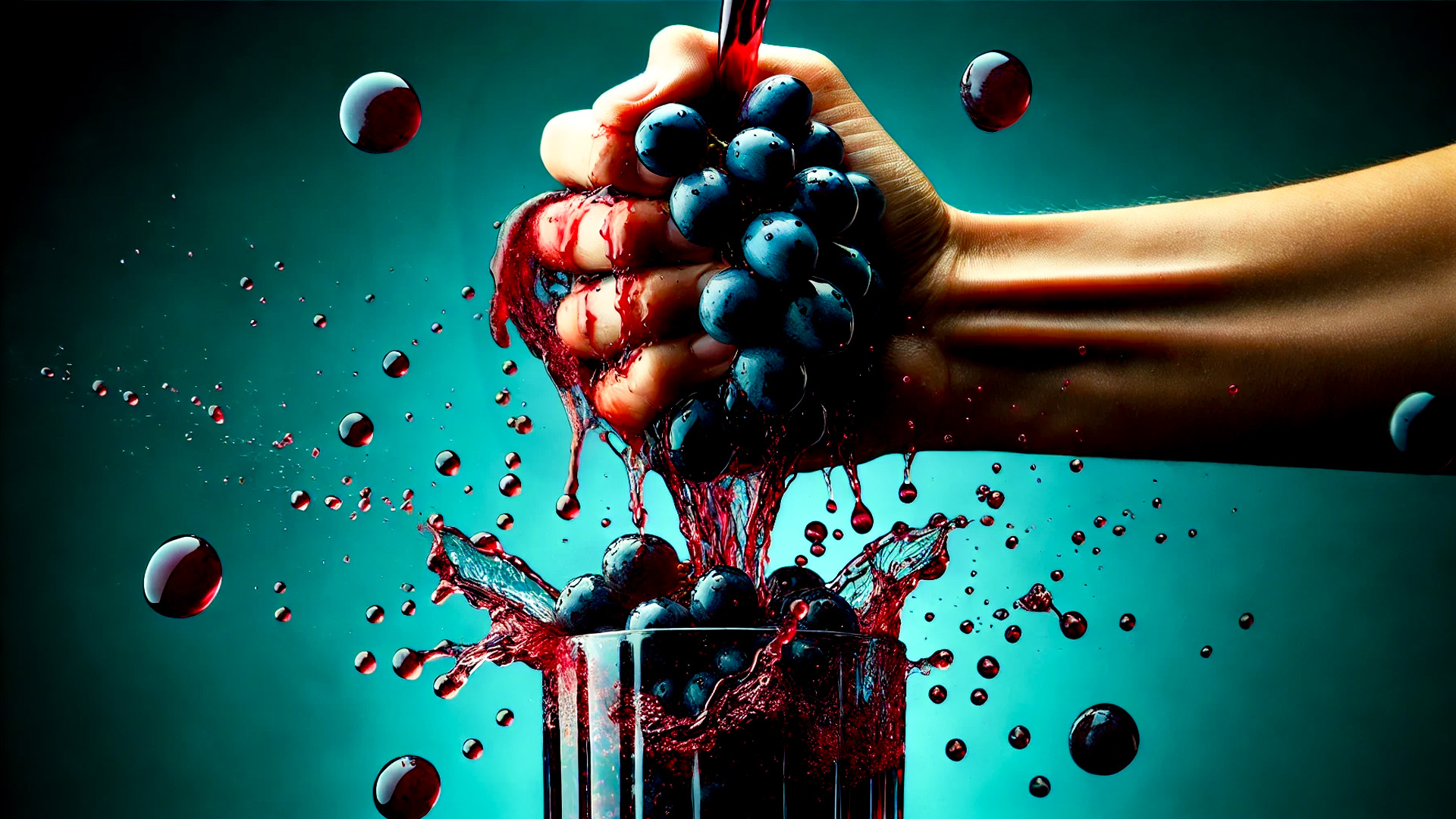
South Africa's emergence as a prominent destination for natural wines is closely aligned with a global movement toward eco-conscious consumption. As consumers become increasingly aware of their environmental impact, they gravitate toward products that embody sustainability and ethical practices. Natural wines, characterized by their emphasis on organic farming, minimal intervention, and a commitment to preserving the integrity of the vineyard ecosystem, resonate strongly with this growing demographic. This shift in consumer mindset reflects a broader desire for authenticity and transparency in food and beverage choices, driving interest in wines that tell a story rooted in their environment.
The COVID-19 pandemic played a significant role in accelerating this trend, as lockdowns prompted individuals to reconnect with nature and seek out artisanal, locally produced goods. With many people spending more time at home, there was a renewed appreciation for the simple pleasures of life, including good food and wine. Natural wines, with their unique flavors and organic origins, became a fitting choice for those looking to enhance their dining experiences while supporting local producers. South Africa’s rich food and wine culture, centered around slow living and farm-to-table dining, further complements the ethos of natural wine, making it a natural fit for discerning consumers.
As interest in natural wines continues to grow, wine tastings and festivals celebrating these expressive and unconventional offerings are flourishing across the country. Events like the Swartland Revolution and Wine on the River have become pivotal platforms for introducing the public to the diverse world of natural wines. These gatherings not only showcase the creativity and passion of South African winemakers but also foster a sense of community among enthusiasts. They provide an opportunity for consumers to engage with the stories behind the bottles, explore the complexities of various terroirs, and appreciate the artistry involved in natural winemaking. As a result, South Africa is positioned to become a leading player in the natural wine movement, attracting both local and international attention for its innovative approaches and commitment to sustainability.
Unique South African Terroirs and Their Influence on Natural Wines
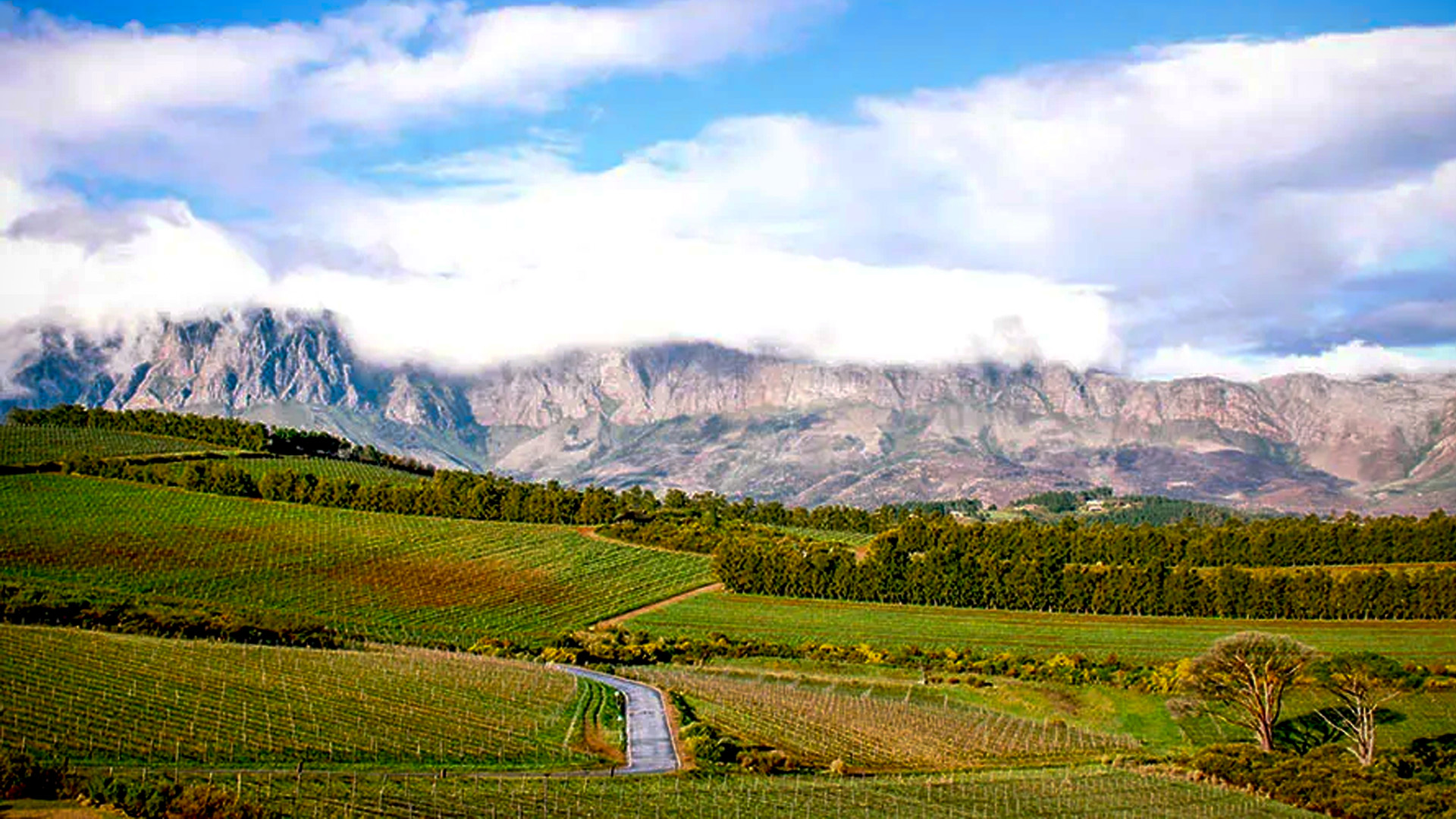
South Africa’s remarkable diversity in climate and soil types creates an exceptional foundation for natural wine production, contributing to the country’s burgeoning reputation in the global wine scene. From granite and shale to limestone-rich soils, each terroir offers distinct characteristics that significantly influence the wines produced in those regions. Coastal vineyards benefit from refreshing sea breezes, which moderate temperatures and enhance grape ripening, while inland areas experience robust sun exposure, leading to grapes with concentrated flavors. This rich tapestry of environmental factors allows winemakers to craft wines that not only reflect their unique geographical origins but also embody the spirit and character of South Africa itself.
At the forefront of this movement are small, independent vineyards that are passionately embracing natural practices and sustainability. These innovative winemakers often reject traditional monoculture farming techniques, choosing instead to plant cover crops and foster biodiversity within their vineyards. By promoting a healthy ecosystem, they enhance soil vitality and resilience, allowing the land to flourish naturally. This approach not only supports environmental sustainability but also results in healthier vines that produce grapes with authentic flavor profiles.
Signature varietals such as Chenin Blanc, Pinotage, and Cinsault are thriving under these natural cultivation methods. Often overlooked in conventional winemaking, these grapes reveal new dimensions of flavor when allowed to ferment naturally without additives or excessive manipulation. The result is wines characterized by vibrant acidity, earthy undertones, and unexpected complexity. Chenin Blanc, for instance, is known for its versatility and ability to express the terroir beautifully, ranging from crisp and mineral-driven to rich and textured, depending on the vineyard’s unique conditions. Pinotage, a uniquely South African varietal, showcases bold fruit flavors and distinctive smoky notes when cultivated with a natural approach, while Cinsault adds finesse and floral nuances to blends.
The interplay between South Africa’s diverse terroirs and the commitment to natural winemaking practices is reshaping the country’s wine landscape. As these small-scale producers continue to innovate and experiment, they are not only elevating local varietals but also creating wines that tell the story of their land, inviting enthusiasts to savor the richness and complexity of South African natural wines.
The Winemakers Leading the Natural Wine Revolution
Several visionary winemakers are at the forefront of South Africa’s natural wine movement, reshaping the landscape of the industry with their innovative approaches and commitment to authenticity. One notable figure is Craig Hawkins of Testalonga, whose unfiltered wines have garnered a cult following among enthusiasts and critics alike. Hawkins focuses on showcasing the raw beauty of the Swartland region, where the combination of unique terroir and minimal intervention in the winemaking process results in expressive, character-driven wines. His dedication to natural practices and organic farming allows the true essence of the grapes to shine through, captivating wine lovers both locally and internationally.
Similarly, Adi Badenhorst has emerged as a pivotal player in elevating the natural wine movement in South Africa. Known for his experimental approach and deep respect for the land, Badenhorst champions traditional winemaking techniques while also pushing the boundaries of what South African wine can be. His wines, often sourced from old vines and crafted with minimal intervention, reflect a profound connection to the terroir, inviting drinkers to experience the nuances of the region's climate and soil. Badenhorst’s contributions have played a significant role in redefining the identity of South African wines on the global stage.
These forward-thinking winemakers are not only gaining recognition locally but are also exporting their wines to markets in Europe, the United States, and Asia, effectively reshaping perceptions of South African wine. Their success demonstrates the growing appreciation for natural and artisanal products, paving the way for broader acceptance of unconventional wines.
Collaborative efforts among winemakers, such as the establishment of community cellars and cooperatives, further support the movement’s growth. These initiatives create a sense of camaraderie and shared purpose, fostering a community of like-minded individuals committed to sustainability and innovation. By pooling resources and knowledge, these winemakers are collectively raising the profile of natural wines, encouraging experimentation and supporting each other in their quest for excellence. Together, they are not only transforming South Africa's wine industry but are also inspiring a new generation of winemakers to explore the potential of their unique terroirs and embrace the philosophy of natural winemaking.
The Process Behind Natural and Organic Wine Production
The journey of natural wine begins in the vineyard, where the principles of sustainability and ecological balance take center stage. In contrast to conventional viticulture, which often relies on synthetic pesticides, herbicides, and fertilizers, natural winemakers embrace an organic approach. They utilize natural predators to control pests, avoiding harmful chemicals that can disrupt the ecosystem. Additionally, these farmers enrich the soil through composting and cover cropping, which not only nourishes the vines but also promotes biodiversity and soil health. This commitment to regenerative agriculture enhances the longevity of the vineyard and supports a thriving environment for the grapevines to flourish.
During fermentation, winemakers often utilize native yeasts that are naturally present on the grape skins and in the vineyard. This allows the grapes to ferment spontaneously, resulting in wines that are deeply expressive of their terroir. By harnessing the natural fermentation process, winemakers can create complex flavor profiles that reflect the unique characteristics of the grapes and the environment in which they are grown. Unlike conventional wines, which are typically heavily filtered for clarity and stability, natural wines are usually bottled with their sediment intact. This practice contributes to their distinctive appearance, often characterized by a hazy or cloudy look, and imparts a unique mouthfeel that many enthusiasts appreciate.
However, the process of producing natural wines is not without its challenges. Maintaining consistency can be difficult due to the inherent variability of natural fermentation and the absence of additives that stabilize conventional wines. Additionally, natural wines often have shorter shelf lives, which can complicate distribution and storage. Educating consumers about the characteristics of natural wines—such as their potential for sediment and variation in flavor—is essential for fostering appreciation and understanding of these unique products. Despite these hurdles, the commitment to authenticity, sustainability, and the expression of terroir continues to drive the natural wine movement, attracting a growing base of passionate supporters eager to explore the diverse and evolving world of natural and organic wines.
Natural Wines on the South African Market
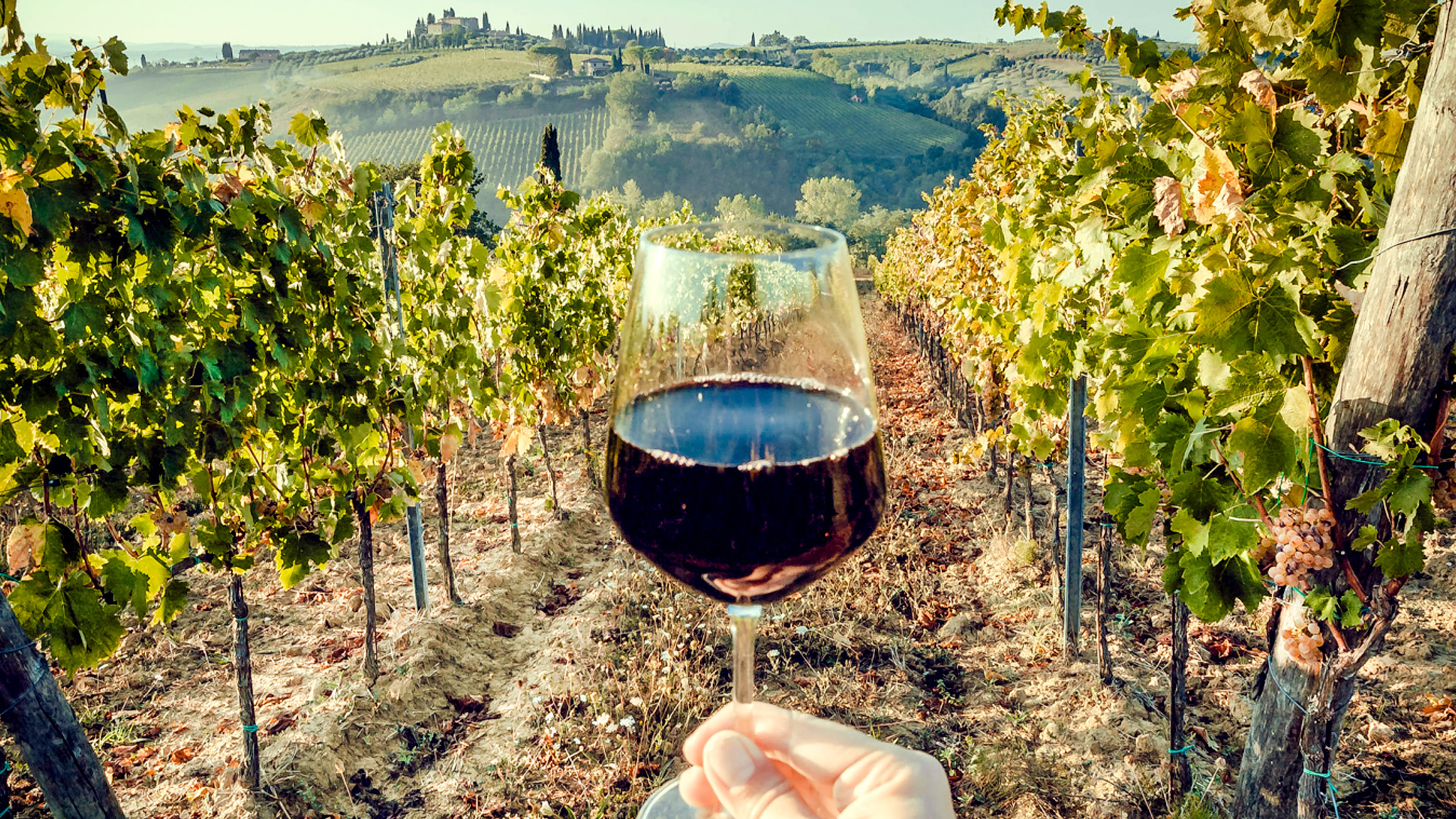
Natural wines are increasingly making their mark on the South African market, becoming more widely available at specialized wine bars, independent retailers, and online stores. Establishments like Wine Concepts and Culture Wine Bar have embraced the trend, curating selections that showcase both local and international natural wines. These venues not only provide a platform for natural wine producers but also educate consumers about the unique qualities and production methods of these wines, fostering a greater appreciation for the category.
The burgeoning farm-to-table movement has further amplified the visibility and appeal of natural wines. Restaurants such as Babel at Babylonstoren and Wolfgat are thoughtfully pairing their menus with natural wines, enhancing the overall sensory dining experience. By highlighting the connection between the food and the wines, these establishments are promoting a deeper understanding of the flavors and philosophies behind natural wine production. However, accessibility and pricing remain critical issues; natural wines are often priced higher due to their labor-intensive production methods and the small scale of operations. This can limit their availability to a broader audience, making it essential for producers and retailers to find ways to communicate the value of these unique wines effectively.
Global Recognition and Export Opportunities for South African Natural Wines
On the international stage, South African natural wines are gaining notable recognition, particularly in markets that prioritize sustainability and authenticity. As the demand for natural wines grows in regions like Europe, North America, and parts of Asia, South African winemakers are presented with both opportunities and challenges. While the rising interest provides a lucrative market, producers must navigate strict import regulations and compliance standards, which can complicate the exporting process.
Educating foreign consumers about the distinctiveness of natural wines—characterized by their minimal intervention and organic practices—is crucial for successfully penetrating these markets. Aligning with global sustainable wine trends, South Africa’s natural wine producers are carving out a niche among consumers who prioritize ethical and environmentally friendly production. Initiatives like the Wine and Agricultural Ethical Trade Association (WIETA) position the country favorably on the world stage, promoting its commitment to sustainable practices. As these producers continue to gain traction internationally, they not only enhance South Africa’s reputation in the wine industry but also contribute to a more sustainable future in winemaking. This growing global presence underscores the potential for South African natural wines to become prominent players in the international market, driven by their unique qualities and ethical production methods.
The Future of Natural Wines in South Africa
As the natural wine movement continues to gain momentum in South Africa, an essential question emerges: will these wines remain a niche product, or can they transition into the mainstream? With consumer interest growing steadily, there is significant potential for expansion. However, challenges remain, particularly regarding production scalability and the need for comprehensive market education. As natural wines gain traction, it will be vital for producers to find ways to scale their operations without compromising the integrity and authenticity that define natural winemaking.
Innovations in winemaking are already pushing the boundaries of what South African wines can be. Techniques such as amphora aging—a traditional method involving fermentation and storage in clay vessels—are gaining popularity, lending unique flavors and textures to the wines. Additionally, the rise of orange wine production, where white grapes are fermented with their skins, is introducing exciting new dimensions to the market. These experimental practices not only diversify the offerings but also attract adventurous consumers eager to explore new flavors and styles.
Wine tourism and educational programs will be crucial in shaping consumer behavior and fostering a deeper appreciation for natural wines. Initiatives that engage the public through tastings, vineyard tours, and workshops will help demystify the production process and highlight the unique stories behind each bottle. As consumers learn more about the intricate relationship between terroir, sustainable practices, and the final product, they are more likely to embrace natural wines as a regular choice.
Ultimately, natural wines encapsulate South Africa’s evolving wine culture, embodying a spirit of authenticity and sustainability. As the industry continues to embrace low-intervention practices, it enhances the country’s wine identity and aligns with global environmental trends. Supporting these artisanal traditions represents a toast to the future—one where the narratives behind each bottle become as significant as the wine itself. In this future, winemaking not only celebrates the land and its people but also fosters a passionate commitment to sustainability and environmental stewardship, ensuring that each sip reflects a harmonious relationship between nature, craftsmanship, and community.