

The Influence of Terroir on South African Wines
Author
Elisha Roodt
Date Published
South Africa, a land where oceans kiss the horizon and mountains cradle fertile valleys, is fast becoming a cornerstone in the global wine narrative. This diverse landscape, imbued with an extraordinary range of climates and soils, gifts the world with wines as unique as the terroirs from which they spring. The notion of terroir—an interplay of geography, climate, and human touch—is not just a romantic concept in South African winemaking; it’s an indelible influence on the character and identity of the country’s wines.
In the vineyards of the Cape, one can taste the sunshine, feel the coastal breezes, and detect the nuances of ancient soils. Terroir breathes life into South Africa’s most celebrated wines, shaping their essence and depth. Each bottle, every glass, tells a story of place, environment, and heritage. But what exactly makes terroir such a potent force in the world of South African wines?
A Journey Through South Africa’s Wine Regions
South Africa boasts an astounding variety of wine regions, each with its own distinct climatic fingerprint. From the rolling hills of Stellenbosch to the rugged Swartland, the country’s geography is a patchwork of microclimates and landscapes, yielding a mosaic of flavors that dance on the palate.
Stellenbosch is often considered the epicenter of South African wine. Located in the Western Cape, it’s renowned for its fertile soils and favorable climate. The granite-rich soils here are ideal for producing structured, age-worthy reds, particularly Cabernet Sauvignon and Merlot. The region's temperate climate, with its cool sea breezes and moderate temperatures, helps grapes achieve optimal ripeness while retaining their natural acidity.
Paarl, just a short drive from Stellenbosch, shares a similar climate but offers a slightly warmer environment. This warmth is ideal for producing full-bodied reds like Shiraz and robust white varietals like Chenin Blanc. The region is also known for its innovative winemaking techniques, which have helped it gain recognition on the international stage.
Constantia, nestled on the slopes of Table Mountain, boasts a climate influenced by the nearby ocean. This coastal influence imparts a unique freshness to the wines. Constantia is especially famous for its Sauvignon Blancs and dessert wines, such as Vin de Constance, which has a history dating back to the 18th century.
Swartland, located further north, is a rising star in the natural wine movement. Its dry, sun-scorched vineyards and diverse soil types produce wines with distinctive character. The region's winemakers often embrace minimal intervention techniques, allowing the raw essence of the terroir to shine through. Swartland’s Grenache and Chenin Blanc are particularly noteworthy for their bold, expressive flavors.
Elgin, known for its cool climate, is another key player in the South African wine scene. The region’s high altitude and proximity to the ocean create an environment conducive to producing elegant, cool-climate varietals like Pinot Noir and Chardonnay. Elgin’s wines are often characterized by their vibrant acidity and refined fruit profiles.
The Role of Climate in South African Terroir
In the sun-drenched vineyards of the Western Cape, a Mediterranean climate reigns supreme. These warm, dry summers and cool, wet winters create an ideal environment for grape cultivation. The abundant sunshine allows grapes to ripen fully, developing concentrated sugars and vibrant fruit flavors, while the cooler evenings ensure that acidity levels remain balanced.
In contrast, South Africa's coastal regions, tempered by the cool Atlantic and Indian Ocean breezes, produce wines with a refreshing crispness. Coastal breezes slow the ripening process, allowing grapes to develop more complex flavors, making cool-climate wines a standout feature of the region.
Perhaps most fascinating are the numerous microclimates found throughout South Africa’s wine regions. These unique pockets, created by subtle changes in elevation, wind exposure, and proximity to bodies of water, allow winemakers to craft wines of remarkable diversity, where even small variations in climate produce significant differences in style.
Soil Composition: The Foundation of South African Wine Character
Beneath the vines, the soil tells a story as old as time. South Africa’s vineyards rest on some of the oldest soils in the world, each contributing its own distinct character to the wines. From granite to shale, sandstone to limestone, the country’s varied geological makeup plays a crucial role in shaping wine texture, minerality, and structure.
Granite soils, for instance, are known for producing wines with depth and concentration. They encourage vine roots to dig deep, leading to smaller grape yields but more intense flavors. This depth of flavor is particularly evident in wines from Stellenbosch and Paarl, where granite soils are prevalent.
Shale and sandstone, on the other hand, impart a leaner, more mineral-driven profile, perfect for crisp whites and elegant reds. These soil types are commonly found in regions like Swartland and Elgin, contributing to the distinctive minerality of their wines.
Soil drainage is another critical factor, with well-drained soils helping vines experience stress at just the right levels, resulting in grapes of exceptional quality. For example, the dry, well-drained soils of Swartland contribute to the concentration and complexity of its wines.
The geological history of South Africa’s wine regions runs deep, and this ancient terroir is a treasure trove for winemakers, offering a rich palette of soil types that influence every vine, cluster, and bottle.
The Cape Doctor: Wind as a Vital Element in Terroir
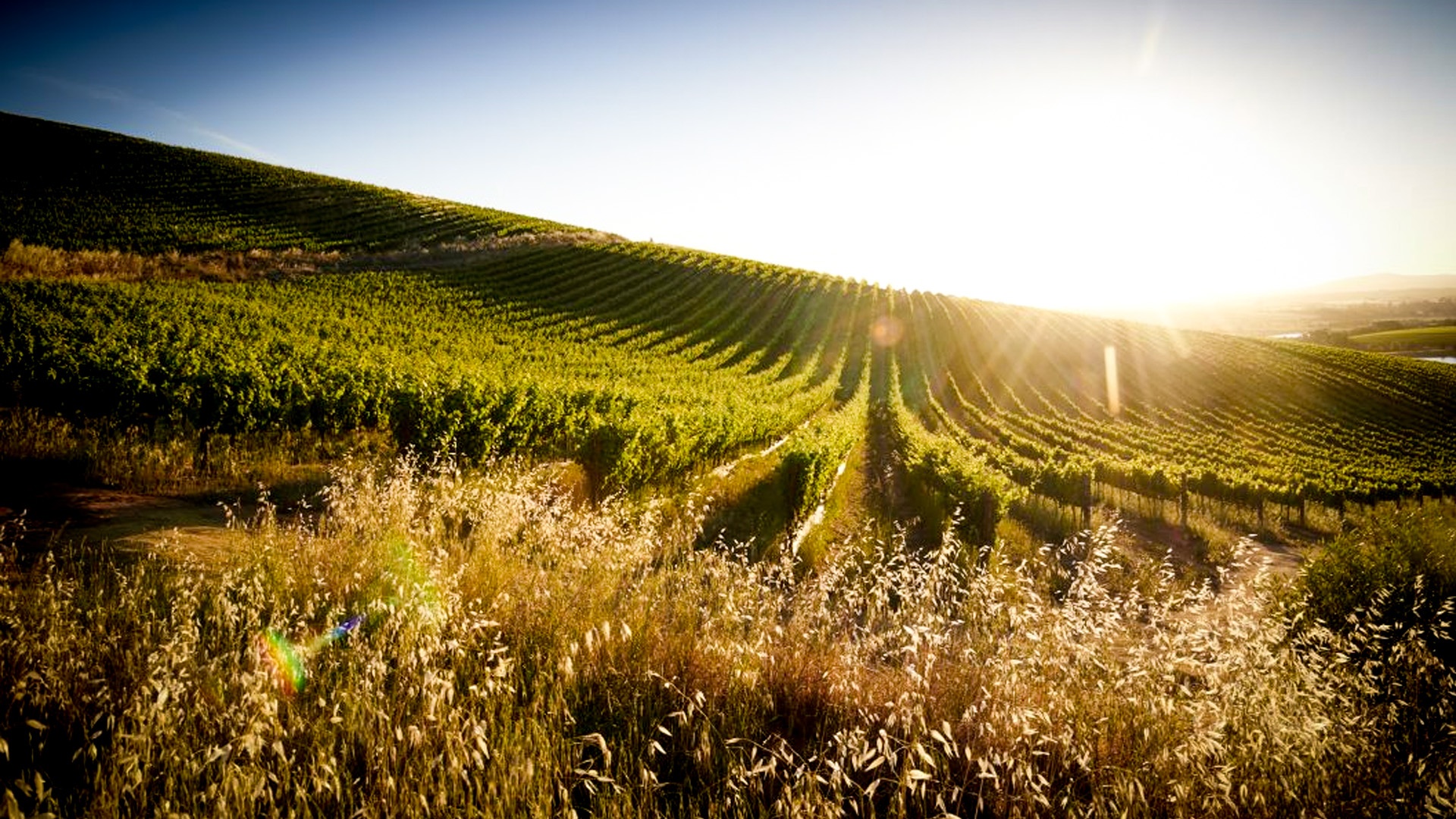
In South Africa, the wind is not merely a force of nature; it is an essential player in viticulture. Known as the Cape Doctor, the powerful south-easterly winds sweep through the vineyards of the Western Cape, bringing with them benefits both tangible and nuanced.
The Cape Doctor serves as a natural pest control, reducing the need for chemical intervention while also cooling the vineyards during the hot summer months. This cooling effect helps preserve acidity in the grapes, leading to wines that are crisp, balanced, and fresh.
Winds also play a role in vine stress, encouraging the development of thicker skins on the grapes, which leads to more concentrated flavors and tannins. In a way, the Cape Doctor is a silent craftsman, shaping the wines of South Africa with every gust. The winds’ influence is particularly noticeable in coastal regions like Constantia and Elgin, where they contribute to the wines’ refreshing qualities and complex flavors.
Elevation and Aspect: The Importance of Vineyard Positioning
The positioning of a vineyard can have a profound effect on the wine it produces. South Africa’s mountainous terrain offers vineyards at a variety of elevations, each with its own distinct advantages. Higher altitude vineyards benefit from cooler temperatures, which slow the ripening process and produce grapes with higher acidity and more complex flavors.
For instance, vineyards in Elgin, which sit at higher altitudes, produce wines with pronounced acidity and elegance. These cool temperatures preserve the freshness of the grapes, leading to wines with bright fruit flavors and crisp acidity.
Slope direction, or aspect, is another crucial factor. Vineyards that face the sun receive more warmth, encouraging fuller, riper fruit. Conversely, those with a cooler aspect produce more restrained wines, with a focus on freshness and finesse. The contrast between valley floor and hillside vineyards adds yet another layer of complexity to South African wines. Hillside vineyards, with their poorer soils and greater exposure, produce wines of intensity and character, while valley floor vineyards offer a more generous, approachable style.
The Influence of Water and Irrigation on Wine Quality
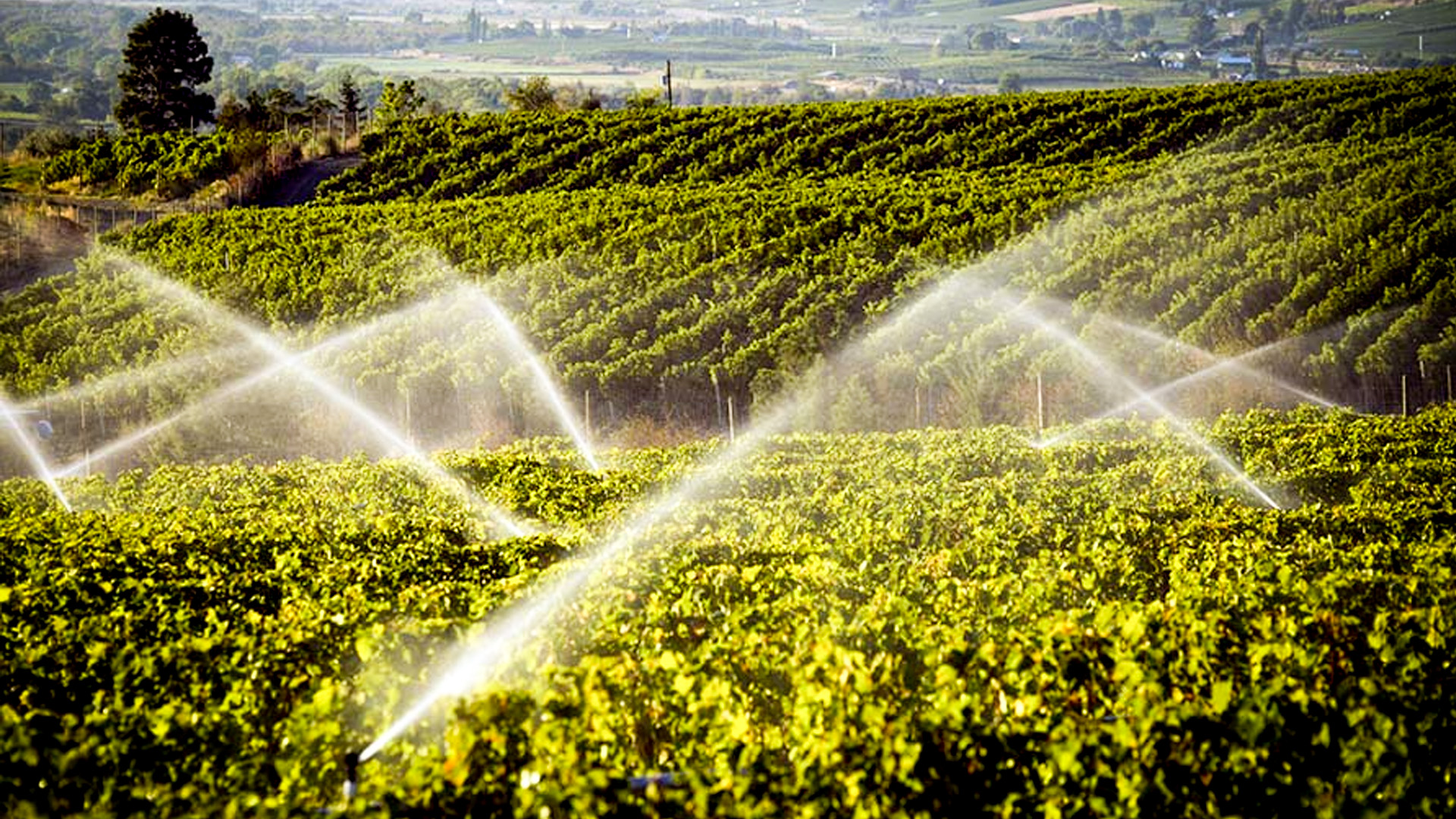
Water is life for vineyards, and in a country where rainfall can be scarce, the management of water resources is critical. Many South African vineyards rely on dry farming—cultivating vines without irrigation, forcing them to develop deep root systems that enhance grape quality and resilience.
Proximity to rivers, oceans, and dams plays a significant role in vineyard hydration. These natural water sources help moderate temperature fluctuations and provide vital moisture during the dry growing season. The role of irrigation, though often controversial in winemaking, is carefully managed to ensure that vines remain balanced and that wine quality is not compromised.
Some regions, like the dry landscapes of Swartland, rely heavily on traditional irrigation methods to maintain vine health and yield. In contrast, areas with more reliable rainfall, such as Stellenbosch, may use minimal irrigation, allowing the natural water cycle to guide vine development.
Signature Varietals and the Expression of Terroir
South Africa’s terroir is expressed not just in the wines themselves but also in the varietals that thrive here. Chenin Blanc, often hailed as the country’s flagship white varietal, is remarkably versatile, adapting to a range of terroirs to produce wines from dry and mineral-driven to rich and honeyed. The versatility of Chenin Blanc is a testament to the diverse terroirs of South Africa, which allow this varietal to showcase a broad spectrum of flavors and styles.
Pinotage, a uniquely South African varietal born from a cross between Pinot Noir and Cinsault, is deeply influenced by the country’s terroir. It carries the hallmarks of South Africa’s rugged landscapes—earthy, smoky, and bold. Pinotage’s distinct character is a reflection of the country’s varied soil types and climate conditions, making it a symbol of South Africa’s winemaking innovation.
Red varietals like Cabernet Sauvignon and Syrah also tell a story of terroir. Coastal versions of Cabernet Sauvignon offer elegance and restraint, while inland plantings showcase power and intensity. Syrah, particularly from regions like Swartland, is known for its robust, spicy flavors, reflecting the region’s warm climate and diverse soils.
Terroir-Driven Winemaking Practices
Many South African winemakers have embraced the philosophy of minimal intervention, allowing the terroir to speak for itself. By focusing on sustainable and biodynamic farming practices, they enhance the natural influence of the land, fostering a symbiotic relationship between vine and environment.
Sustainable winemaking practices in South Africa often include organic farming, reduced use of chemicals, and efforts to minimize environmental impact. These methods help maintain soil health, promote biodiversity, and ensure the long-term viability of vineyards.
Biodynamic farming, which takes into account the lunar calendar and natural rhythms, is also gaining traction. This holistic approach to viticulture aims to create a balanced ecosystem that supports healthy vine growth and enhances the expression of terroir in the wines.
Winemakers in South Africa strive to find harmony between tradition and innovation, balancing the expression of terroir with modern techniques that highlight the nuances of each vintage. Techniques such as whole-bunch fermentation, natural yeasts, and minimal filtration are used to preserve the authentic character of the wines.
Case Studies: Exploring the Terroir of Famous South African Wine Regions
Stellenbosch, with its granite-rich soils and temperate climate, is arguably South Africa's most iconic wine region. Known for producing world-class Cabernet Sauvignon, the region’s terroir imparts structure, balance, and aging potential. Stellenbosch wines are often characterized by their rich flavors, complex aromas, and excellent aging capabilities, making them highly sought after by collectors and connoisseurs alike.
Swartland, a rising star in the natural wine movement, offers a rugged and unpolished terroir that is reflected in its bold, character-driven wines. The region’s dry, sun-scorched vineyards produce concentrated fruit with distinctive earthy undertones. Swartland’s embrace of natural winemaking techniques and its focus on terroir-driven expressions have made it a favorite among wine enthusiasts seeking authenticity and depth.
Constantia, nestled on the coast, benefits from cooling ocean breezes and rich, fertile soils. Its Sauvignon Blancs and dessert wines are legendary, a testament to the region’s unique terroir and winemaking tradition. Constantia’s history of producing exceptional wines dates back centuries, and its legacy continues to influence the region’s winemaking practices today.
The Future of South African Wines and Terroir
As the world grapples with climate change, South Africa’s winemakers are already adapting to shifting weather patterns. Vineyards are being planted at higher elevations, and new varietals are being introduced to cope with the changing climate. Despite these challenges, the future of South African wines is bright, with a growing focus on single-vineyard expressions that showcase the purity of terroir.
Globally, South Africa is gaining recognition for its terroir-driven wines, as more consumers appreciate the subtle nuances and sense of place that these wines offer. The country is carving out a niche on the world stage, with its wines standing shoulder to shoulder with the finest terroir-driven offerings from Europe and beyond.
Innovations in viticulture and winemaking are helping South African producers stay ahead of the curve. Advances in technology, coupled with a renewed focus on sustainability and terroir, are driving the industry forward. South African winemakers are exploring new techniques, such as precision viticulture and climate-adaptive strategies, to ensure that their wines continue to reflect the unique characteristics of their terroir.
South African wines are a testament to the power of terroir, where climate, soil, and geography converge to create wines of remarkable depth and character. As the appreciation for terroir-focused winemaking grows, so too does South Africa’s reputation as a world-class wine producer. To truly understand and appreciate these wines is to experience the land from which they come—a land of ancient soils, coastal breezes, and sun-kissed vineyards. With every glass, we are reminded of the profound influence terroir has on shaping the identity of South African wines.
In celebrating the diversity and complexity of South Africa’s wine regions, we also honor the dedication and craftsmanship of its winemakers. Their commitment to preserving the essence of terroir ensures that South African wines will continue to captivate and inspire wine lovers around the world for generations to come.
The Future Of South African Wines And Terroir