

The Influence of Climate on South African Wine Flavours
Author
Elisha Roodt
Date Published
Understanding South African Wines
South Africa, with its vibrant landscapes and diverse climates, holds a prominent position in the world of viticulture. The country's wine-making traditions date back to the mid-17th century, when Dutch settlers first planted vineyards in the Cape. Over centuries, South Africa’s wine industry has evolved from modest beginnings into a globally recognized producer of premium wines.
A Historical Journey
The story of South African wine begins in 1659 when Jan van Riebeeck, the Dutch commander of the Cape Colony, planted the first vineyards in the Cape of Good Hope. Initially, the focus was on producing wine for local consumption and to support the Dutch East India Company’s ships on their journey to the East. By the late 17th century, the Cape's wine industry began to gain recognition for its quality. The introduction of the first French Huguenot settlers in the late 1680s brought new viticultural expertise and grape varieties, further shaping the industry.
During the 19th century, South African wines gained international acclaim, with the industry showcasing its products at various exhibitions and winning awards. However, political isolation during the apartheid era (1948-1994) led to a period of stagnation. The end of apartheid marked the beginning of a renaissance for South African wine. With the lifting of trade sanctions and increased investment, the industry embraced modern techniques and international standards, leading to a resurgence in quality and reputation.
Terroir: The Soul of South African Wine
Central to South Africa’s success in winemaking is the concept of terroir—a French term that encompasses the unique combination of environmental factors like soil, climate, and geography that influence the taste and personality of a wine. In South Africa, terroir is particularly pronounced due to the country’s diverse climatic conditions and soil types.
Climate and Wine Regions
South Africa's unique positioning between the Atlantic and Indian Oceans, coupled with its varied topography, has given rise to several distinct wine regions, each with its own microclimates. The most prominent wine-producing areas, such as Stellenbosch, Franschhoek, and Paarl, lie in the Western Cape, benefiting from the cooling effects of the nearby ocean.
Beyond these well-known regions, South Africa also boasts emerging wine areas like Elgin and Hemel-en-Aarde, which are gaining recognition for their cool-climate wines. Elgin, with its high altitude and cooler temperatures, is particularly noted for its exceptional Chardonnay and Pinot Noir. Hemel-en-Aarde, also known as Heaven and Earth, produces wines with distinctive freshness and minerality.
The Role of Temperature in Wine Flavour Profiles
Temperature plays a pivotal role in determining the flavour, aroma, and balance of a wine. In South Africa’s cooler wine regions, such as Elgin and Hemel-en-Aarde, lower temperatures help preserve the natural acidity in grapes, which is crucial for creating wines with a refreshing crispness. Cooler climates also slow down the ripening process, allowing the grapes to develop more complex flavours over time, leading to wines with greater finesse and elegance.
Conversely, warmer temperatures in regions like Robertson and Worcester result in wines with higher sugar content, contributing to a fuller body and increased alcohol levels. Warm temperatures accelerate the ripening process, leading to more opulent and fruit-forward wines, which appeal to those seeking bold, rich flavours. The balance between warm days and cooler nights—a phenomenon known as diurnal variation—adds complexity to the wines by allowing acidity to be retained, even as sugar levels rise, creating harmonious wines with both vibrancy and depth.
The Impact of Rainfall on Vineyard Health and Grape Ripening
Rainfall patterns are critical in South African viticulture, particularly in regions that rely on winter rains to replenish soil moisture. Adequate rainfall during the dormant winter months helps vines store the necessary water for growth during the dry, summer growing season. This natural irrigation supports healthy root development and vine balance, contributing to the overall quality of the grapes.
However, the specter of drought is a constant challenge. In recent years, South African vineyards have faced increasing water shortages, prompting the adoption of sophisticated irrigation practices. Drip irrigation systems and rainwater harvesting techniques are increasingly employed to mitigate the effects of drought. While irrigation can help manage water scarcity, the lack of natural rainfall can stress vines, influencing grape composition by concentrating sugars and flavours. Additionally, the timing and intensity of rain during the growing season can impact grape ripening and skin thickness, with heavier rains potentially leading to dilution of flavour or increased tannin levels due to thicker grape skins.
Sunshine and Solar Radiation: Enhancing Flavour Intensity
Sunshine, in all its abundance, is a hallmark of the South African landscape. Long hours of sunlight during the growing season facilitate the full ripening of grapes, contributing to intense flavours and aromatics in the final wine. Ample sunshine encourages the accumulation of sugar in grapes, while also developing the phenolic compounds responsible for colour, tannin structure, and mouthfeel.
Beyond just the sunlight, the levels of ultraviolet (UV) radiation in South Africa are notably high. This exposure intensifies colour pigments, particularly in red grape varietals, leading to wines with deeper, richer hues. Furthermore, UV radiation contributes to thicker grape skins, which, in turn, add more tannins and structure to the wine. Yet, an excess of sunlight and heat can stress vines, leading to overripe, unbalanced wines if not carefully managed through canopy management and irrigation practices.
Wind and Its Surprising Role in Wine Quality
In the coastal wine regions of South Africa, wind is both a blessing and a challenge. The notorious Cape Doctor, a powerful southeasterly wind, sweeps through the Western Cape, cooling down vineyards and preventing vines from overheating. This cooling effect, particularly during the summer months, allows for slower ripening, which results in more nuanced flavours and higher acidity in the grapes.
Wind also serves as a natural barrier against fungal diseases, which thrive in damp, stagnant conditions. By keeping vineyard airflows steady and dry, the wind helps to maintain the health of the vines, reducing the need for chemical interventions. However, excessive wind can cause vine stress and damage, particularly if it leads to vine dehydration or interrupts the delicate process of pollination, affecting yield.
Soil Composition and Its Relationship with Climate
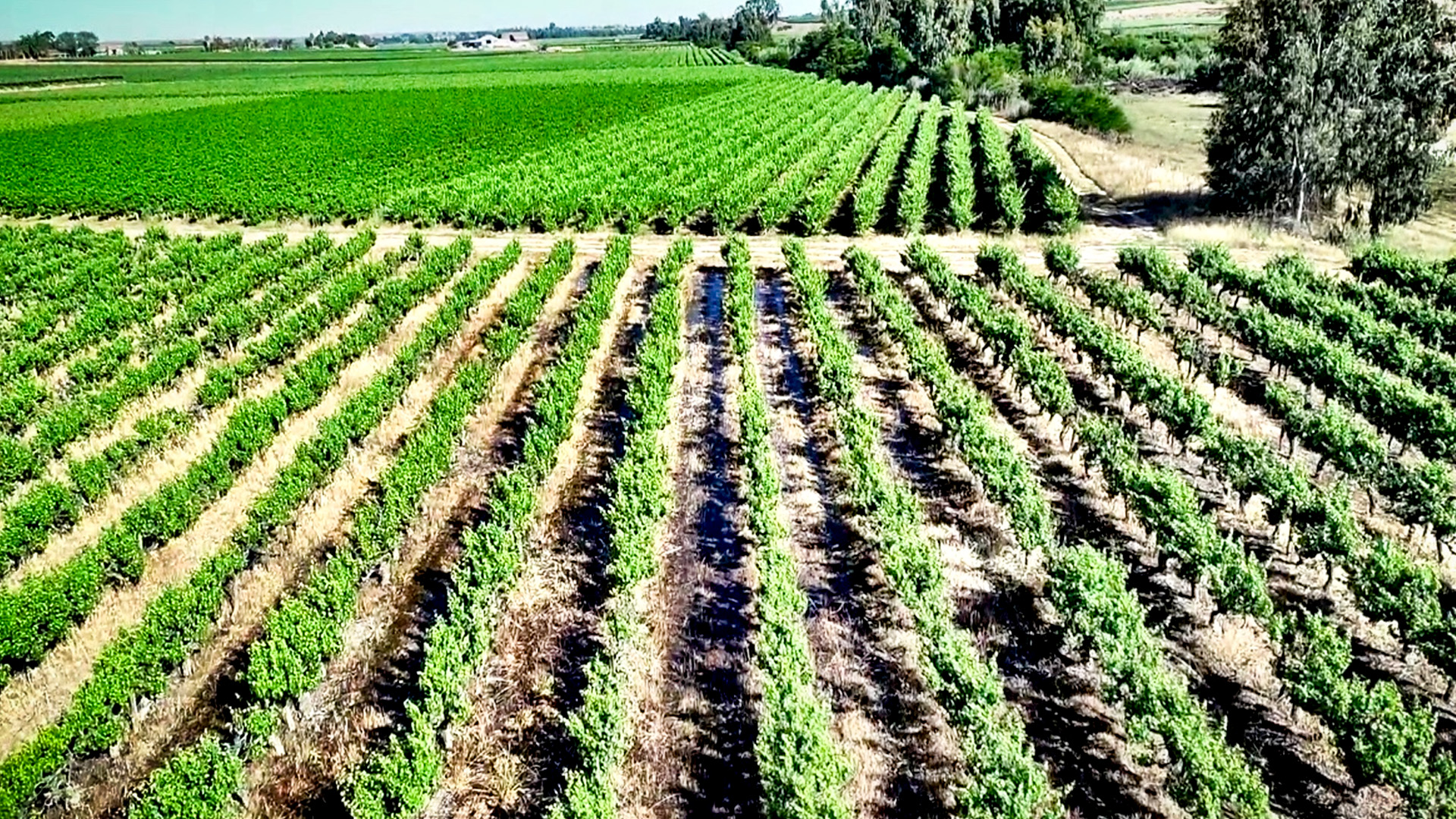
South Africa's diverse soil types are another defining element of its terroir. From the fertile, alluvial soils of the Breede River Valley to the granite and sandstone-rich soils of the Cape Fold Mountains, each soil type interacts with the climate to shape the final wine. Soils that retain more heat, such as those with high gravel content, contribute to quicker grape ripening, while cooler, clay-based soils slow down this process, resulting in wines with greater elegance and structure.
The interaction between climate and soil drainage is crucial in determining grape quality. Well-drained soils, particularly in wetter regions, help prevent waterlogging, allowing vines to thrive without being over-saturated. These soils also force the vine roots to grow deeper in search of nutrients and water, which enhances the concentration of flavours in the grapes. For example, the decomposed granite soils of Stellenbosch impart a distinctive mineral quality to the wines, while the deep alluvial soils of the Breede River Valley contribute to rich, fruit-forward expressions.
Climate Change and the Future of South African Wine
As with many wine-producing regions around the world, South Africa is grappling with the realities of climate change. Rising temperatures, shifting rainfall patterns, and unpredictable weather events are altering the conditions under which vines grow. Hotter summers and prolonged droughts threaten to reduce yields, while also challenging the ability to produce balanced wines with both ripeness and acidity.
Winemakers are increasingly adopting adaptation strategies to combat these challenges. From planting heat-tolerant grape varieties to adjusting irrigation techniques, South Africa’s wine industry is proving its resilience. Some producers are exploring cooler, higher-altitude sites as new vineyards, seeking refuge from the heat in more temperate microclimates. Additionally, there is a growing emphasis on sustainable practices, such as organic farming and water conservation, to mitigate environmental impacts and ensure long-term viability.
Despite these efforts, the future remains uncertain. The industry faces the ongoing challenge of balancing the demands of a changing climate with the need to produce high-quality wines. The commitment to sustainability and innovation will be key in navigating these challenges and ensuring that South African wines continue to thrive.
Celebrating the Diversity of South African Wine Flavours
South Africa’s wines are a true reflection of the diverse climates and environments that shape them. From the windswept coastal vineyards to the sun-drenched valleys, each bottle tells a story of its unique terroir. The influence of climate on wine flavours is profound, with each region contributing its own signature style to the country’s winemaking heritage.
The South African wine industry is characterized by its diversity. Whether it’s a rich, full-bodied red or a crisp, refreshing white, each wine offers a glimpse into the country’s varied landscapes and climates. The commitment to quality, innovation, and sustainability ensures that South African wines will continue to captivate palates around the world.
As the wine industry continues to evolve, the balance between nature and viticulture becomes even more critical. By embracing sustainability and adaptation strategies, South African winemakers are ensuring that their wines will continue to shine on the global stage. Whether you’re enjoying a glass of elegant Pinot Noir from Hemel-en-Aarde or a bold Shiraz from Paarl, the complexity of South African wine is a celebration of the land, climate, and craftsmanship that go into every vintage.

Celebrating The Diversity Of South African Wine Flavours