

A Beginner’s Guide to South African Wine Labels
Author
Elisha Roodt
Date Published
Why Understanding Wine Labels Matters for South African Wines
South African wines, with their unique blend of Old World tradition and New World innovation, have earned a respected place on the global wine stage. For newcomers, however, deciphering the intricacies of a South African wine label can be daunting. These labels are not mere pieces of packaging; they are gateways to understanding a wine’s history, origin, and personality. Grasping the terminology and classifications on these labels empowers wine lovers to make more informed purchasing decisions and deepen their appreciation for the craftsmanship behind each bottle. Whether you're seeking a fine vintage for a special occasion or an everyday wine to accompany a meal, understanding South African wine labels is key to unlocking the full potential of your wine selection.
The Importance of Wine Labels
Decoding the Information on the Label
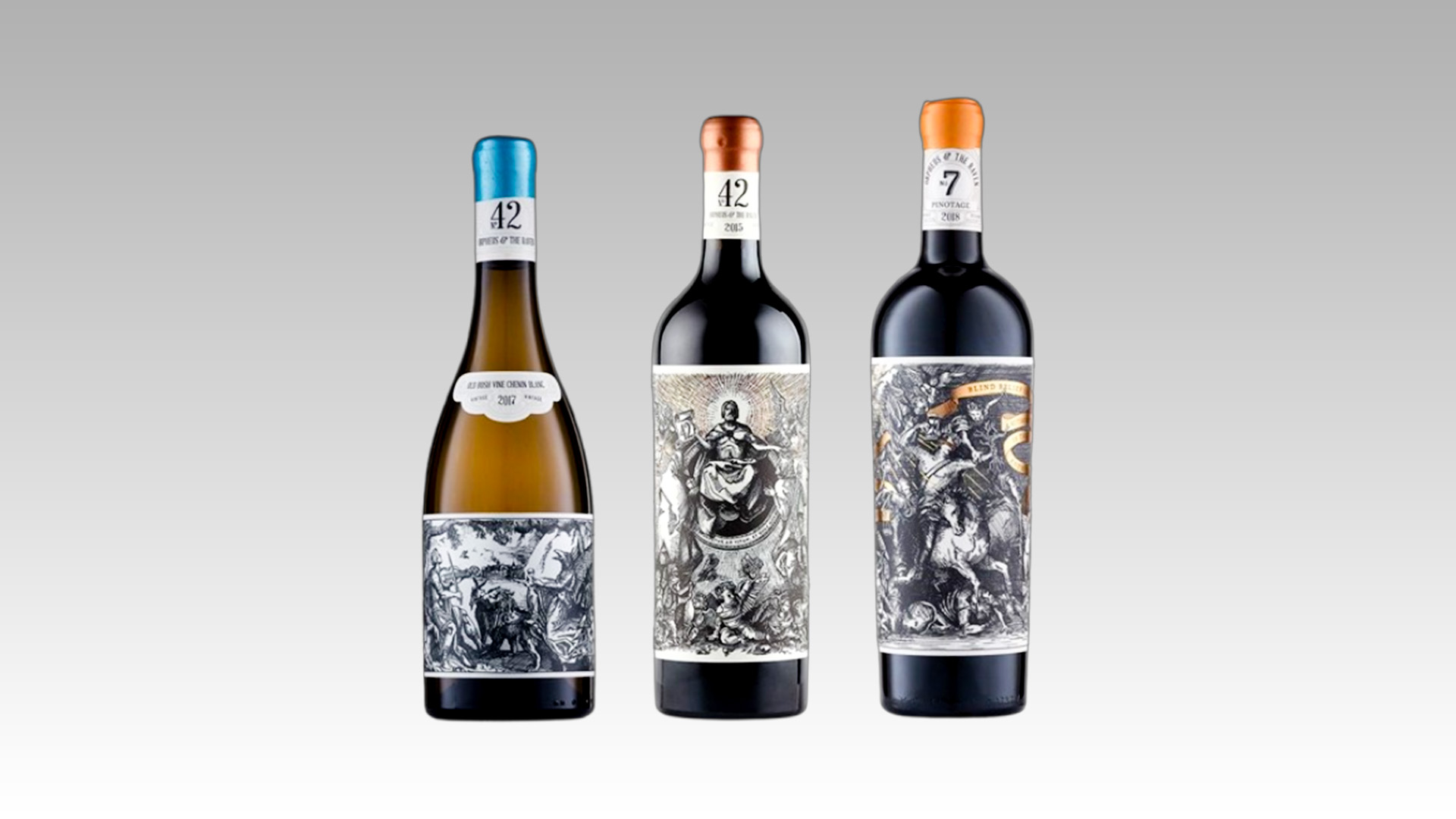
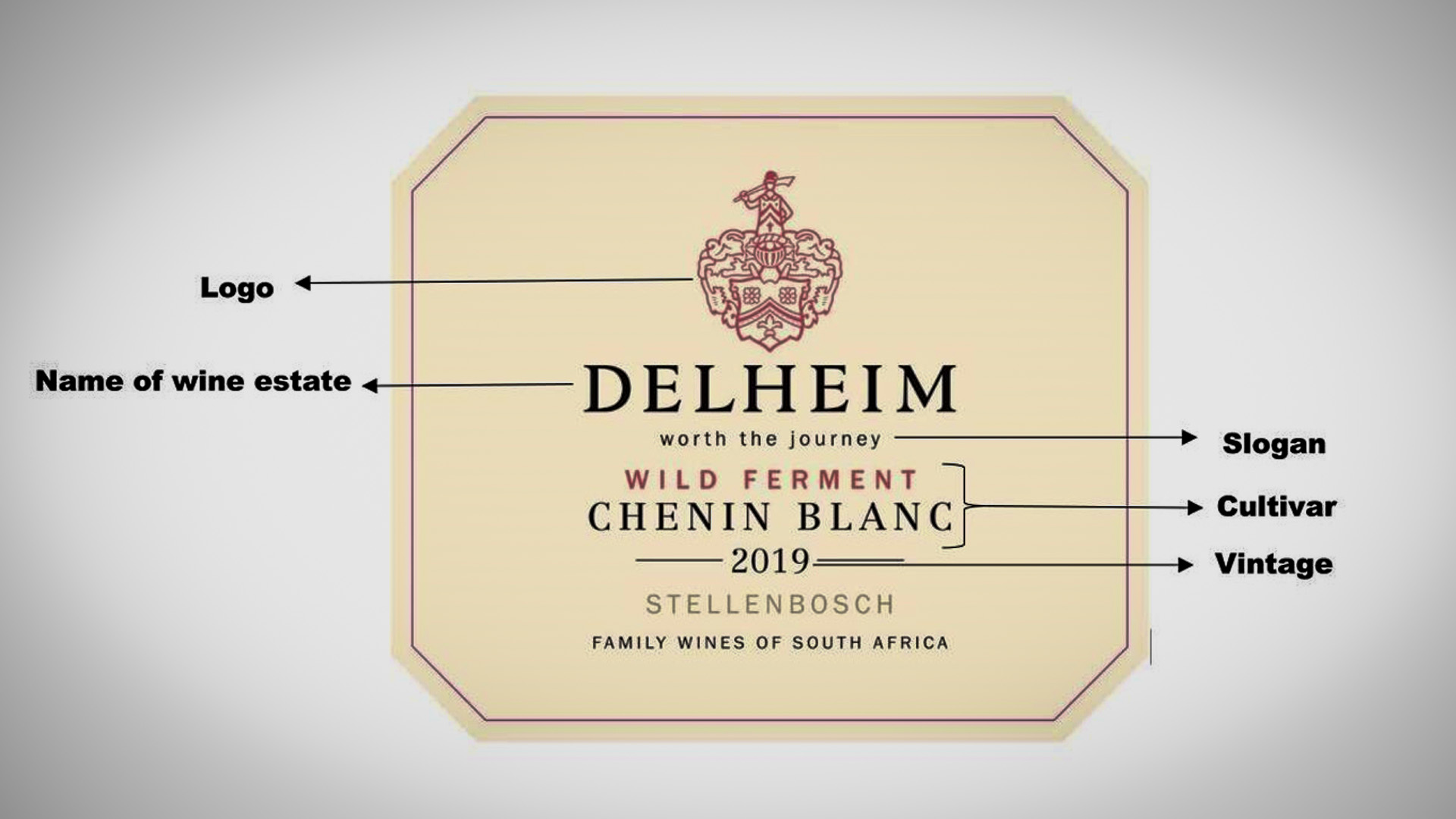
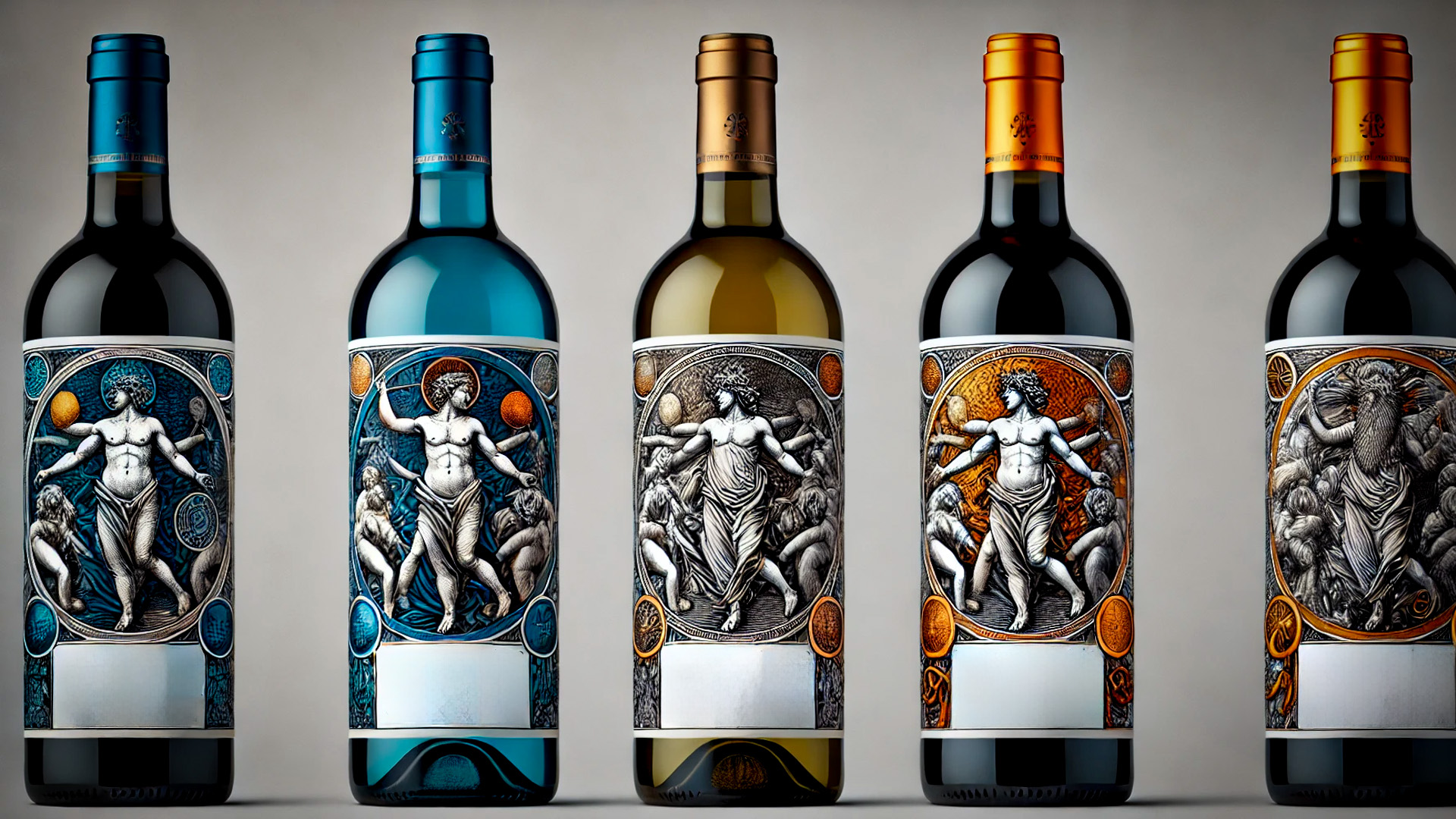
Wine labels serve as a wine’s first impression, offering critical insights into its origin, composition, and character. They act as the passport of the wine, revealing not only where it comes from and who produced it but also the specific varietals used in the blend. In South Africa, labels typically include essential details like the vineyard name, region, vintage, grape variety, and alcohol content, but they often go beyond that. They may feature certifications, quality seals, and stylistic notes that provide a deeper understanding of the wine’s pedigree. For example, a label may indicate whether the wine is organic or biodynamic, reflecting the producer's commitment to sustainable practices. The typography and imagery used on the label can also offer significant hints about the winery’s heritage or the wine's intended audience—sometimes appearing traditional and conservative, while other times adopting a modern and bold aesthetic. This visual language can suggest a narrative about the wine, enticing potential consumers with promises of either timeless elegance or innovative freshness. Learning to decode this information not only enhances the tasting experience but also transforms a simple bottle into a rich story waiting to be uncorked, inviting enthusiasts to explore the complexities of flavor, aroma, and history contained within.
How Wine Labels Reflect South African Wine Culture
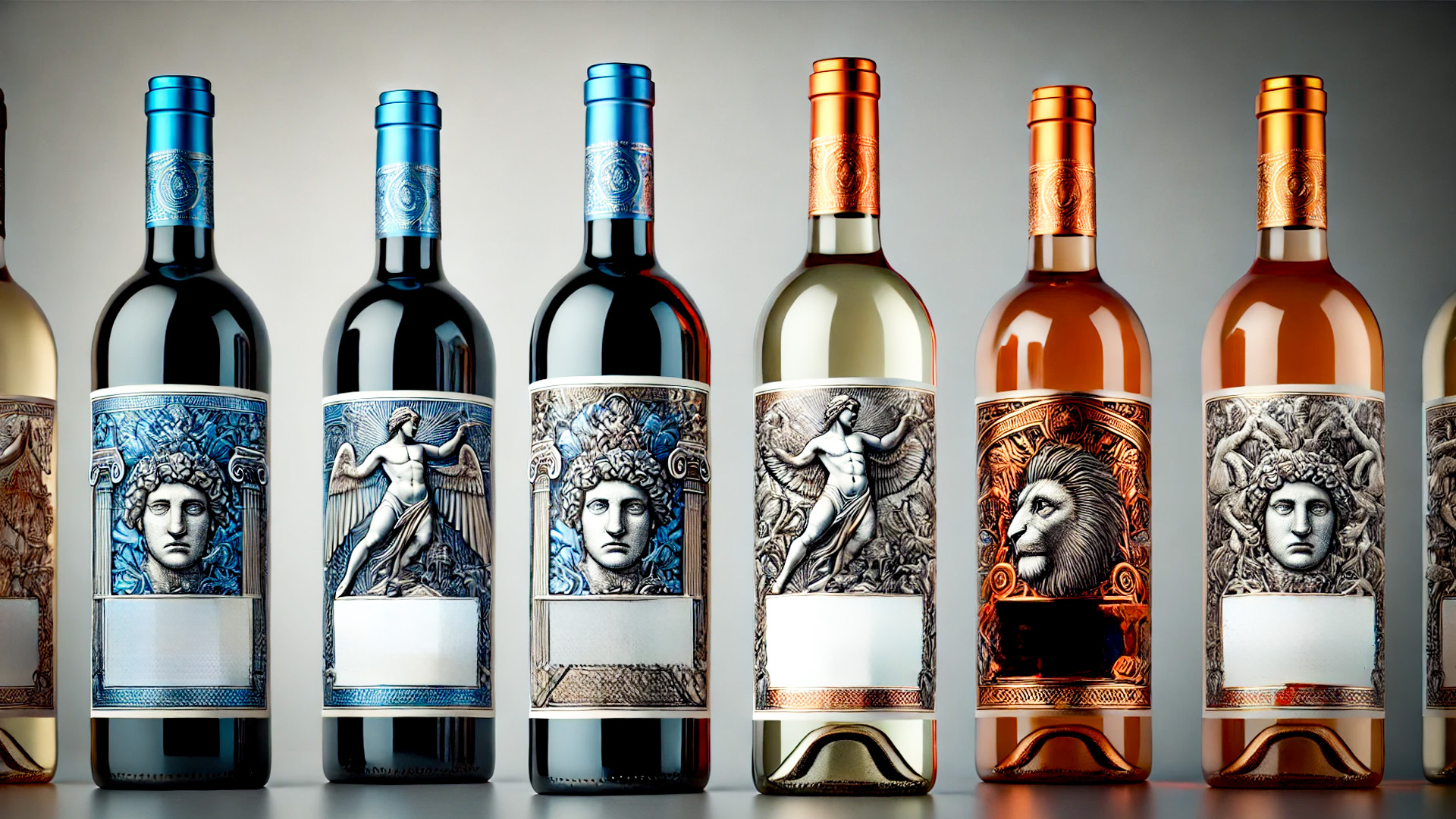
South African wine labels encapsulate the rich history and cultural pride of the country’s winemaking regions. With a tradition that stretches back over 350 years, South African winemakers often infuse their labels with elements of local identity—whether through the use of indigenous terms, artwork, or symbols that represent the unique terroir of their vineyards. For instance, labels might incorporate local languages or folklore, bridging the gap between the wine and the cultural narratives of the land. These labels are cultural artifacts in themselves, merging African heritage with centuries-old European techniques, showcasing how the country's wine industry has evolved into a global powerhouse. The artwork on labels frequently carries a sense of place, paying homage to the land and the people who nurture it, often featuring illustrations of local flora, fauna, or landscapes. This connection to the earth and its resources fosters a deeper appreciation for the wine, allowing consumers to feel a sense of belonging to the region. As such, South African wine labels not only guide consumers in their selections but also serve as a canvas for storytelling, reflecting the intricate interplay of tradition, innovation, and community that characterizes the country's vibrant wine culture.
Understanding South African Wine Classifications
Wine of Origin (WO): What It Means
South Africa’s Wine of Origin (WO) system is comparable to the French AOC (Appellation d'Origine Contrôlée) or Italy's DOC (Denominazione di Origine Controllata) classifications. Introduced in 1973, the WO system was established to regulate the geographical origins of South African wines, ensuring both authenticity and quality. When you see "Wine of Origin" on a label, it guarantees that 100% of the grapes were grown in a specified region, district, or estate. This designation is crucial for consumers, as it provides a reliable assurance regarding the source of the wine. Whether the wine hails from the sun-soaked vineyards of Stellenbosch, known for its bold Cabernet Sauvignon, or the cool-climate elegance of Elgin, famous for its nuanced Chardonnay, the WO mark assures that the wine reflects the unique characteristics of its geographical birthplace. Often referred to as "terroir," this geographical indicator embodies the interplay between the land, climate, and winemaking techniques, allowing consumers to appreciate the distinctive flavors and aromas that result from each specific locale. The WO system not only fosters a sense of trust but also enhances the overall appreciation of South African wines by linking them to their roots.
How Terroir Impacts the Classification System
Terroir—a French term that lacks a direct English equivalent—encompasses the environmental factors influencing a vineyard’s grapes, including climate, soil, and topography. In South Africa, the concept of terroir plays an essential role in wine classification and quality. For example, the granite-rich soils of the Swartland contribute to a distinct mineral quality in the wines, while the windswept coastal plains of Walker Bay provide a cooling influence that enhances the acidity and freshness of the grapes. This diverse array of terroirs means that a Shiraz from Paarl may taste profoundly different from one produced in the cooler Franschhoek Valley, showcasing the intricate ways in which environmental factors shape flavor profiles. Understanding how terroir impacts the WO classification empowers consumers to select wines that align with their personal palate preferences, guided by the unique nuances offered by different geographic locations. By appreciating the relationship between terroir and wine quality, enthusiasts can make more informed choices and explore the depth of flavors inherent in South African wines.
Estate Wines vs. Non-Estate Wines: The Key Differences
Another important distinction that can appear on South African wine labels is between estate wines and non-estate wines. Estate wines must be produced and bottled entirely on the estate where the grapes are grown, ensuring that every step of the winemaking process—from vineyard to bottle—is controlled by the estate itself. This level of oversight allows for a purer expression of the vineyard’s terroir, as winemakers can closely monitor the cultivation and harvesting of the grapes, as well as the fermentation and aging processes. In contrast, non-estate wines, while still adhering to WO regulations, may blend grapes from different regions or be processed off-site, potentially diluting the unique characteristics derived from a single terroir. For those seeking a more intimate, artisanal experience, estate wines are often viewed as the pinnacle of craftsmanship and attention to detail. They embody a commitment to quality and authenticity, inviting consumers to savor a wine that is a true reflection of its origin. Understanding these distinctions not only enriches the consumer's experience but also fosters a deeper appreciation for the art of winemaking in South Africa.
Reading a South African Wine Label: What You Need to Know
Region and Vineyard Location: What They Reveal About the Wine
The region or vineyard listed on a wine label provides immediate insight into the wine’s flavor profile, acting as a roadmap to its unique characteristics. For instance, wines from the Cape Winelands region—comprising well-known areas like Stellenbosch, Franschhoek, and Paarl—are celebrated for their richness and complexity. These wines often exhibit notes of ripe fruit, complemented by well-integrated tannins that lend a plush mouthfeel. The warm climate and diverse soil types of these regions contribute to the development of fully ripened grapes, resulting in robust flavors and aromatic profiles. In contrast, wines hailing from coastal regions such as Walker Bay or Elim benefit from cooler climates, which tend to produce wines that are lighter, crisper, and more mineral-driven. The proximity to the ocean creates a moderating effect on temperature, allowing grapes to retain acidity and develop subtle flavors that reflect their terroir. Understanding which regions align with your taste preferences can transform the wine selection process into a more informed and enjoyable experience, guiding you toward bottles that resonate with your palate while expanding your appreciation for the diverse expressions of South African wine.
Vintage: Why the Year Matters
The vintage, or the year in which the grapes were harvested, is another essential factor that significantly impacts the wine’s overall quality and character. In South Africa, vintage plays a crucial role in shaping the wine due to the country's varied climate conditions from year to year. For instance, a hot, dry growing season might yield bolder, fruit-forward wines with concentrated flavors and softer acidity, making them approachable in their youth. Conversely, a cooler, wetter year could result in wines with higher acidity, greater structure, and an ability to age gracefully over time. This variation in climate necessitates that collectors and enthusiasts pay close attention to vintage when selecting wines, as it can inform decisions regarding a wine's aging potential and optimal drinking windows. A vintage chart can serve as a helpful tool, revealing patterns in quality and style across different years, ultimately guiding consumers toward bottles that reflect their preferences and the conditions of that particular harvest.
Grape Variety: Identifying Your Preferred Wine Type
South Africa is renowned for its diverse range of grape varieties, from the robust and smoky Pinotage—a distinctive South African creation—to international favorites like Cabernet Sauvignon, Chardonnay, and Shiraz. Each grape variety possesses its own unique set of characteristics that influence the wine's flavor, aroma, and mouthfeel. For example, Pinotage is celebrated for its deep fruit flavors and earthy undertones, while Chardonnay can range from buttery and rich to crisp and mineral-laden, depending on its vinification process. Understanding these characteristics can help guide you toward your preferred style of wine. The grape variety will always be clearly listed on the label, making it easy for consumers to select a wine that matches their taste. Whether you lean toward a fruity, light-bodied Chenin Blanc or a full-bodied, tannic Cabernet Sauvignon, this knowledge empowers you to make informed choices and enhances your overall wine-drinking experience. By exploring different grape varieties, you can discover new favorites and expand your palate, deepening your appreciation for the complexity and diversity of South African wines.
Certifications and Quality Assurance Marks
The Role of the Wine and Spirit Board Seal
One of the most important marks to look for on a South African wine label is the certification seal from the Wine and Spirit Board. This seal acts as a hallmark of quality, verifying that the wine complies with South Africa’s stringent regulations, including adherence to the Wine of Origin (WO) rules. Established to protect consumers and promote authentic South African wines, the Wine and Spirit Board conducts rigorous assessments, ensuring that the wine meets specified standards regarding its origin, production methods, and overall quality. The presence of this seal provides consumers with confidence that the wine has undergone thorough vetting and quality control processes. It serves as a reassurance that they are purchasing a product that reflects the unique terroir of its region and the craftsmanship of its producers. This certification not only enhances consumer trust but also promotes the integrity of the South African wine industry, encouraging producers to uphold high standards and maintain a strong reputation in a competitive global market.
Sustainability and Ethical Certifications on Labels
As global awareness of environmental sustainability and ethical practices continues to rise, many South African wineries are embracing certifications that reflect their commitment to these important principles. When exploring wine labels, look for certifications such as the Integrated Production of Wine (IPW) seal, which indicates that the wine was produced sustainably, with a focus on minimal impact on the environment. This certification ensures that wineries implement practices that conserve resources, promote biodiversity, and minimize waste throughout the winemaking process. Additionally, some wines may bear Fair Trade labels, signaling that the producers adhere to ethical labor practices, ensuring fair wages and working conditions for vineyard workers. These certifications add another layer of integrity to the bottle you choose, transforming your wine selection into an ethical decision. Consumers are increasingly motivated to support brands that align with their values, making it vital for wineries to communicate their commitment to sustainability and social responsibility through these visible marks on their labels.
Organic Wines: How to Spot Them on South African Labels
Organic wines, while still a niche category in South Africa, are gaining popularity among consumers who prioritize health and environmental sustainability. Organic wine labels will explicitly state that no synthetic pesticides or fertilizers were used in the vineyard and that the winemaking process adheres to organic principles. This means that the grapes are cultivated using natural methods, fostering a healthier ecosystem and minimizing chemical exposure. South African organic wines are often crafted with a focus on preserving the integrity of the fruit, resulting in vibrant flavors that reflect the essence of the terroir. For health-conscious consumers or those concerned about the environmental impact of traditional viticulture, choosing organic wines can be a fantastic option. As awareness and demand for organic products continue to grow, more South African wineries are likely to adopt organic practices, offering a broader selection of wines that cater to this market. By learning to spot these labels, consumers can make informed choices that align with their values, enhancing their wine experience while supporting sustainable practices in the industry.
Common Terms on South African Wine Labels Explained
Reserve, Grand Reserve, and Limited Edition: What Do They Really Mean?
Terms like "Reserve," "Grand Reserve," and "Limited Edition" are often employed to suggest higher quality or exclusivity in the world of wine, but their meanings can be somewhat ambiguous, especially in South Africa, where these terms are not legally regulated. Consequently, the interpretation of these designations can vary significantly from one producer to another. Typically, "Reserve" indicates that the wine has been crafted from select grapes, often sourced from the best parcels of a vineyard, or has undergone longer aging in oak barrels. This aging process can enhance the wine's complexity and character, leading to a more refined product. The term "Grand Reserve" might be reserved for the finest wines from particularly exceptional vintages, often signifying a higher tier of quality and aging potential. On the other hand, "Limited Edition" usually signifies a small production run, which makes these wines rarer and potentially more desirable for collectors. This scarcity can drive up demand, adding an element of exclusivity. Understanding these terms can help consumers navigate their wine selections, although it's essential to recognize that the actual quality can vary, necessitating a taste test to truly appreciate the wine.
The Significance of Alcohol by Volume (ABV)
The alcohol by volume (ABV) listed on a wine label can provide valuable insights into the wine’s body and potential flavor profile. Generally, wines with higher ABV, typically above 14%, tend to be fuller-bodied, featuring richer flavors and a more potent finish. These wines often showcase pronounced fruit characteristics and a robust mouthfeel, making them ideal for pairing with hearty dishes. Conversely, lower ABV wines, often below 12.5%, are usually lighter and more refreshing, making them well-suited for casual sipping or pairing with lighter fare like salads and seafood. South African wines are particularly diverse in their ABV, ranging from crisp, low-alcohol whites to bold, high-alcohol reds. This variability offers consumers the flexibility to choose a wine that aligns with their preferences and the occasion, whether it’s a relaxed afternoon gathering or a formal dinner.
“Single Vineyard” and “Old Vines”: What They Tell You About Quality
Labels that feature "Single Vineyard" or "Old Vines" can provide significant clues about the wine’s quality and character. A "Single Vineyard" designation means that all the grapes used to produce the wine came from one specific vineyard, allowing for a more concentrated expression of that vineyard’s terroir. This specificity often results in wines that are more reflective of the unique environmental conditions, soil types, and microclimates that influence that particular location. On the other hand, "Old Vines" refers to vineyards with vines that are typically 35 years or older. These older vines usually produce fewer grapes, but the fruit they do yield often possesses greater depth, complexity, and intensity. Wines from old vines tend to have a more pronounced character, as the established root systems draw on a wealth of minerals and nutrients from the soil, contributing to a more layered and intricate flavor profile. Consumers who recognize these terms can better appreciate the craftsmanship and heritage behind the wines, leading to more informed and satisfying selections.
What to Look For When Purchasing South African Wines
Understanding Price Points: Does Higher Price Mean Higher Quality?
Price can often be a misleading indicator of wine quality, leading many consumers to believe that higher-priced wines are inherently better. While it’s true that more expensive wines may come from prestigious estates, feature exclusive vintages, or have undergone more intricate winemaking processes, it’s important to remember that there are numerous affordable South African wines that deliver exceptional quality without breaking the bank. The key to navigating the price spectrum is to understand what you're actually paying for—whether it’s the vineyard’s reputation, a specific vintage known for its outstanding conditions, or unique winemaking techniques that add value to the final product. Many mid-range bottles from well-regarded regions like Stellenbosch or Paarl can offer remarkable flavor profiles and quality, making them perfect for everyday enjoyment without sacrificing taste or experience. Ultimately, a wine's price tag is just one factor in the broader context of what makes a bottle enjoyable.
How to Choose Wines for Special Occasions or Everyday Drinking
When selecting wines for special occasions, consider opting for bottles with a prestigious label, unique characteristics, or a rare vintage that adds to the experience of the event. These wines often come from acclaimed estates and may have received high ratings from critics, elevating the celebratory atmosphere. Conversely, for everyday drinking, look for wines that are well-balanced and versatile, capable of pairing seamlessly with a variety of foods and occasions. South Africa boasts an abundance of such wines, many of which provide excellent value for money while still offering delightful flavor and character. Whether you’re hosting a casual dinner or enjoying a quiet evening at home, choosing the right wine can enhance your experience without the pressure of over-investing.
Tips for Selecting Wines Based on Taste Preferences and Label Cues
Understanding your own taste preferences is crucial for selecting the right wine. If you lean toward fruity, lighter wines, South African Chenin Blancs or Pinotages may be ideal choices for you, as they often showcase vibrant fruit flavors and refreshing acidity. For those who enjoy fuller-bodied, tannin-rich reds, a Cabernet Sauvignon from Stellenbosch might be more appealing, offering depth and structure that pairs beautifully with heartier dishes. Pay close attention to the grape variety, alcohol by volume (ABV), and region listed on the label, as these factors can guide your decision-making process and help align your choices with your palate. Over time, developing a familiarity with these cues will make selecting wines easier and more enjoyable.
Enhancing Your South African Wine Experience Through Label Knowledge
Becoming proficient in reading and understanding South African wine labels can significantly enhance your overall wine experience. Each label serves as a window into the winemaker’s intent, the land’s influence, and the wine’s unique journey from vine to bottle. This understanding allows you to appreciate the craftsmanship behind each bottle, fostering a deeper connection with the wines you choose. Whether you’re a novice just starting your wine journey or a seasoned enthusiast looking to expand your palate, this knowledge enriches your experience, enabling you to choose wines with confidence, comprehend their provenance, and savor every sip with a greater sense of appreciation. South Africa’s vibrant wine industry offers an exciting array of choices—take the time to explore them, one label at a time, and unlock the stories that each bottle has to tell.
What To Look For When Purchasing South African Wines